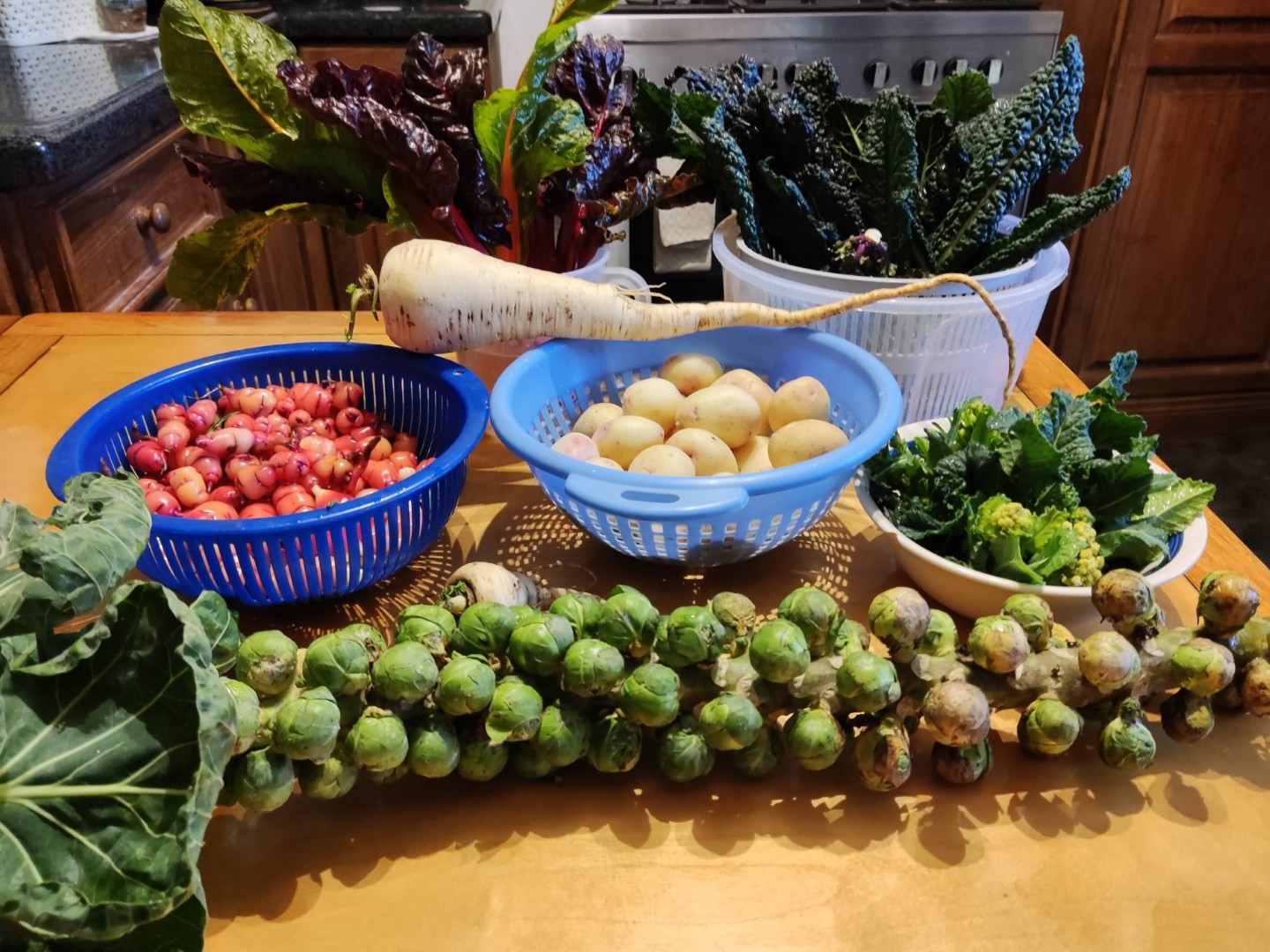
Do you put on googles/eye protection when you go here?
Tomato plants usually bear for me from end of June through to October. I have pushed plants to December but they start getting a lot of mould/blight issues. As I now grow so many chillies, a few extra harvests of lower quality tomatoes isn’t worth the risk of the chilli plants getting blighted.
I live near the coast in the west of the UK so don’t have the kind of temperature extremes or summer humidity that many US growers deal with. The past few winters my greenhouse hasn’t even frosted so I overwintered several chilli plants without much effort. The flip side is that I can’t really grow chillies outside as the weather is too wet and just not warm enough for long enough, hence basically filling my greenhouse to the point were I can just about water everything from a small standing space in the middle.
3 Likes
Heh. When I first looked into growing chillies there were mainstream gardening blogs saying things like “wear gloves when handling the plants!”. The reality is that the hot stuff is well contained in the fruit so the greenhouse isn’t a painful place to be.
The real problem comes when making sauce, especially when washing out the containers used for blending. I always forget that the hot water aerosolises the capsaicin and end up macing myself.
3 Likes
Hell that gave a good chuckle, I am sorry. But to be honest growing chilies like that in the UK I have a lot of respect for. Excellent use of greenhouses in this instance.
I had some chilli infused olive oil. I don’t know what the chilli was, but a teaspoon in a bolognese would render it borderline inedible. Anyway, first time I used it was to cook a steak in. I didn’t know the inside of your lounges could hurt!
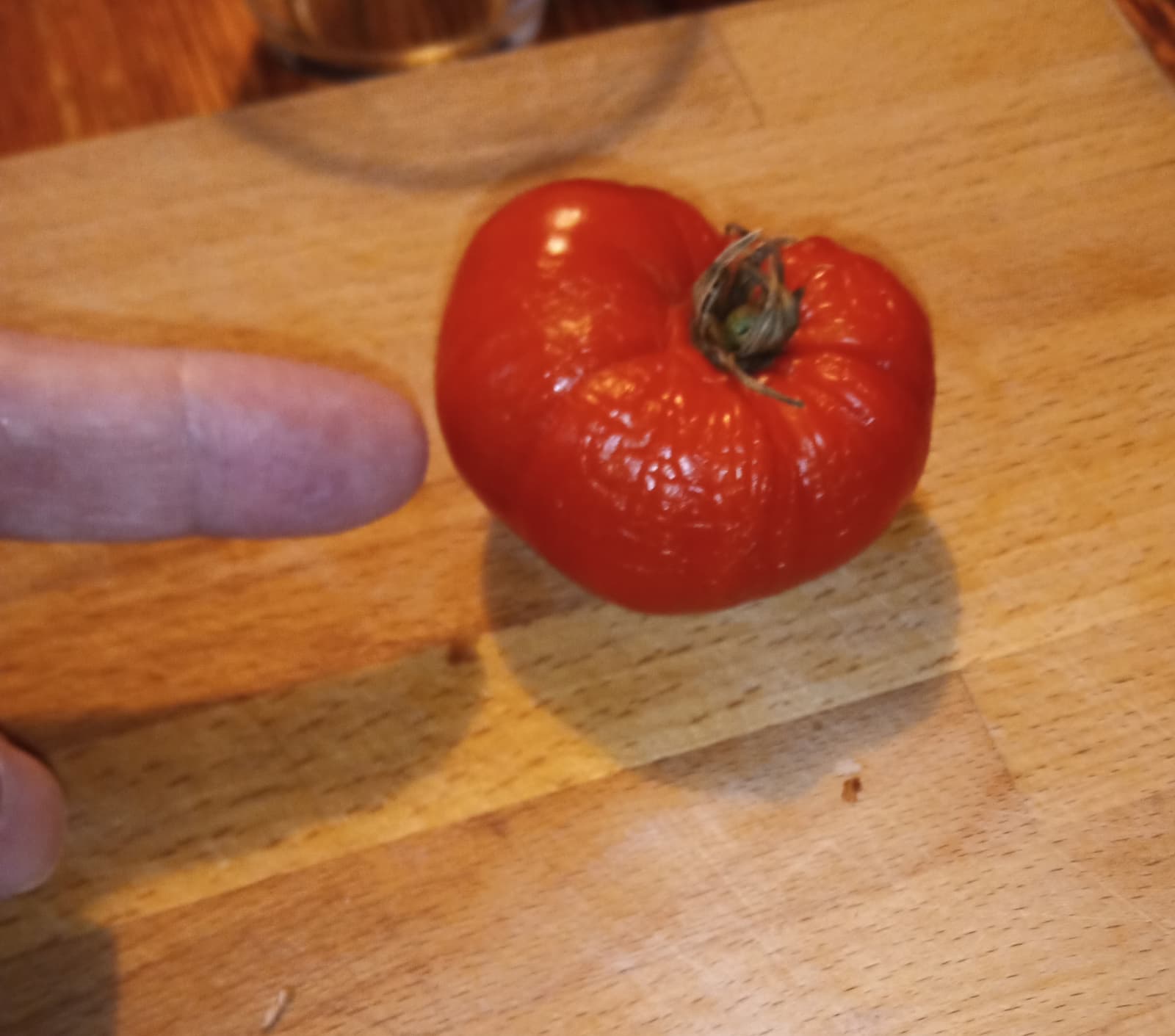
Huge finger considering the Tomato in the picture
6 Likes
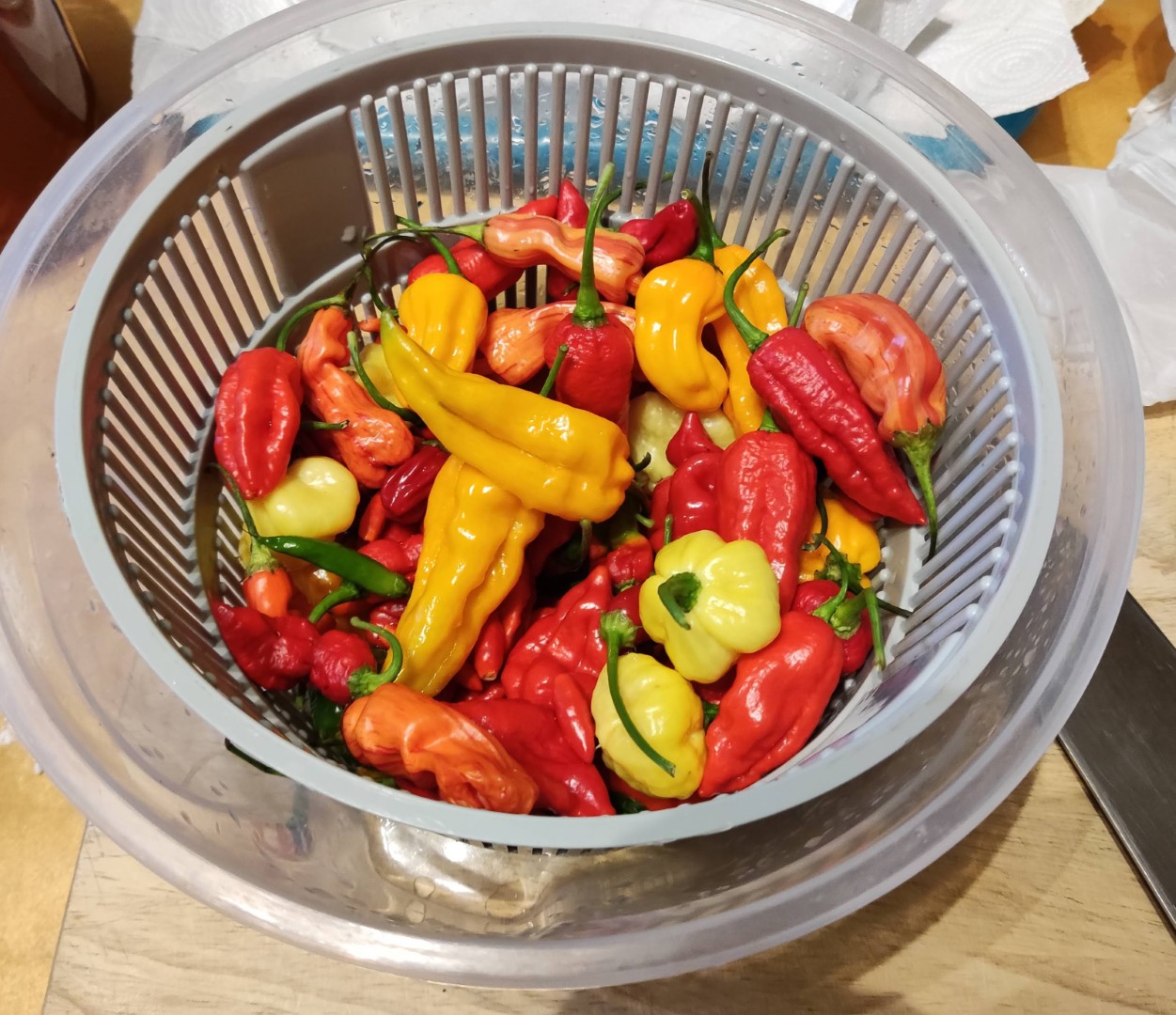
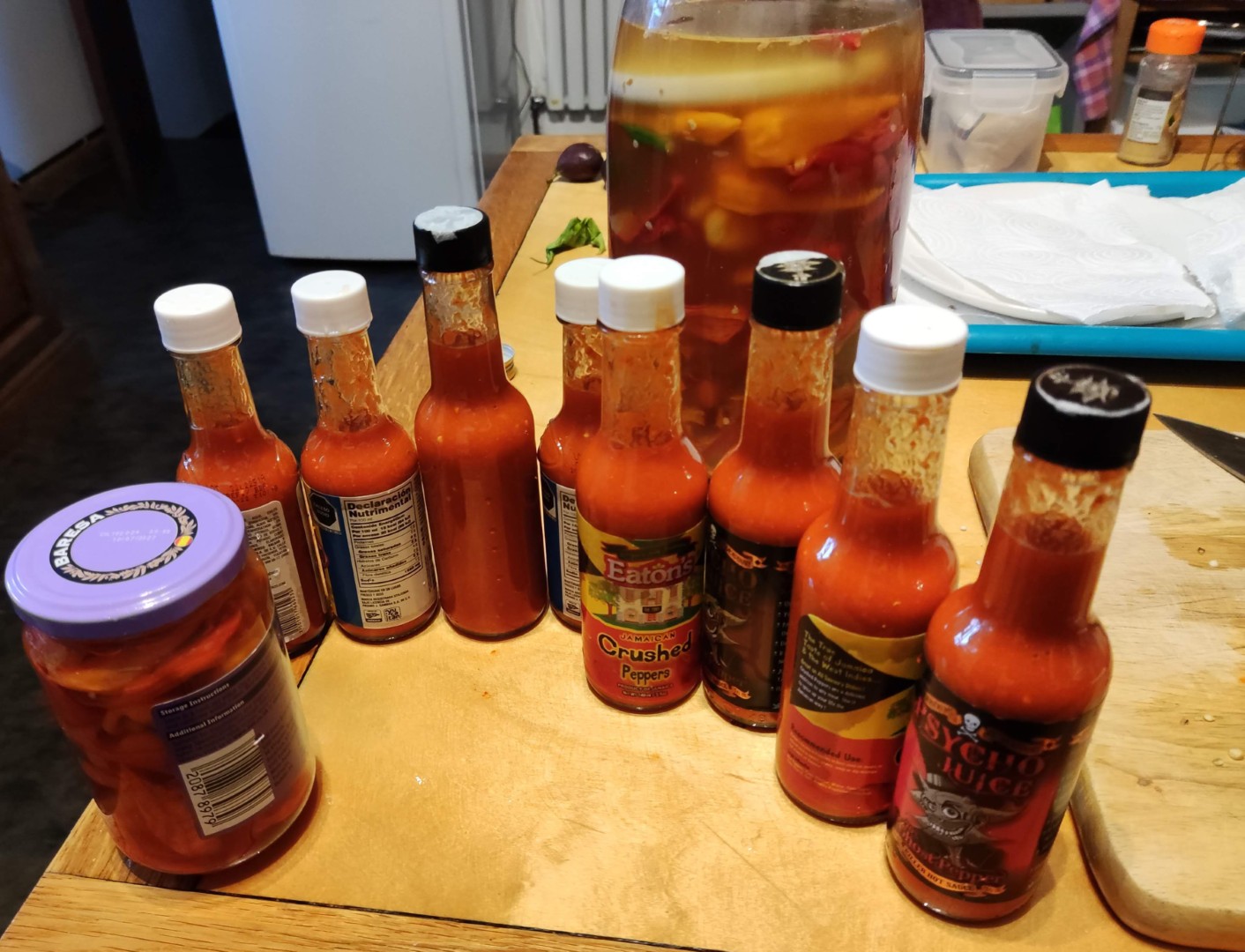
Chilli harvest and processing of already fermented peppers into sauce today.
Harvest (Fatalii, Lemon StarrBurst, Sugar Rush Peach Stripey, Bird’s Eye, Dorset Naga, Datil, Habanero, some unidentified others):
Existing ferment that I needed to take some peppers from to make room for the new haul:

First jug of blended peppers with some added ginger and garlic:
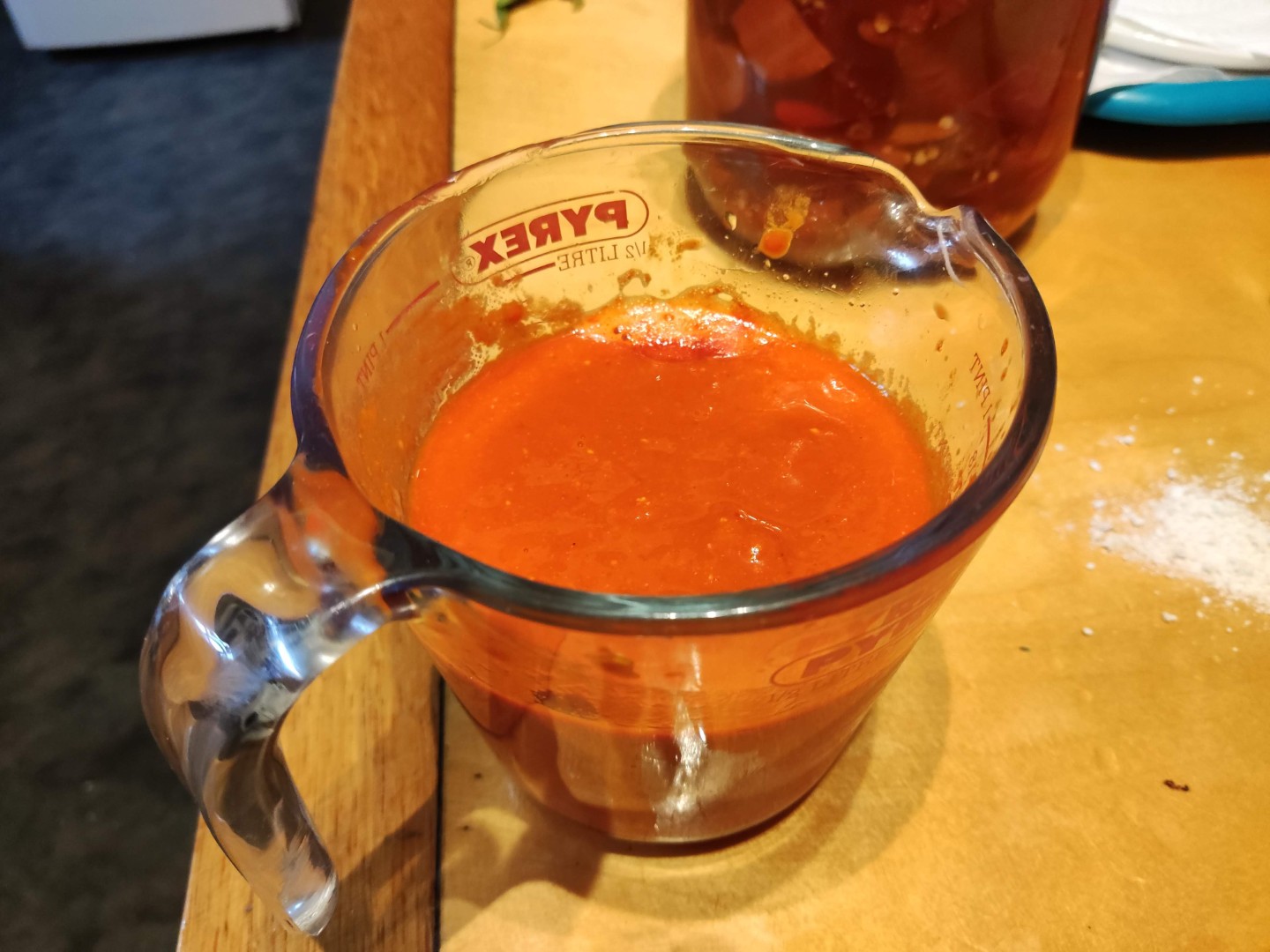
The final output. About a litre of (very) hot sauce and a little jar of pickled peppers for sandwiches:
8 Likes
that’s so sick hell yeah
I hear even microbes dont like chili
They’re lacto-fermented so it’s all full of microbes.
1 Like
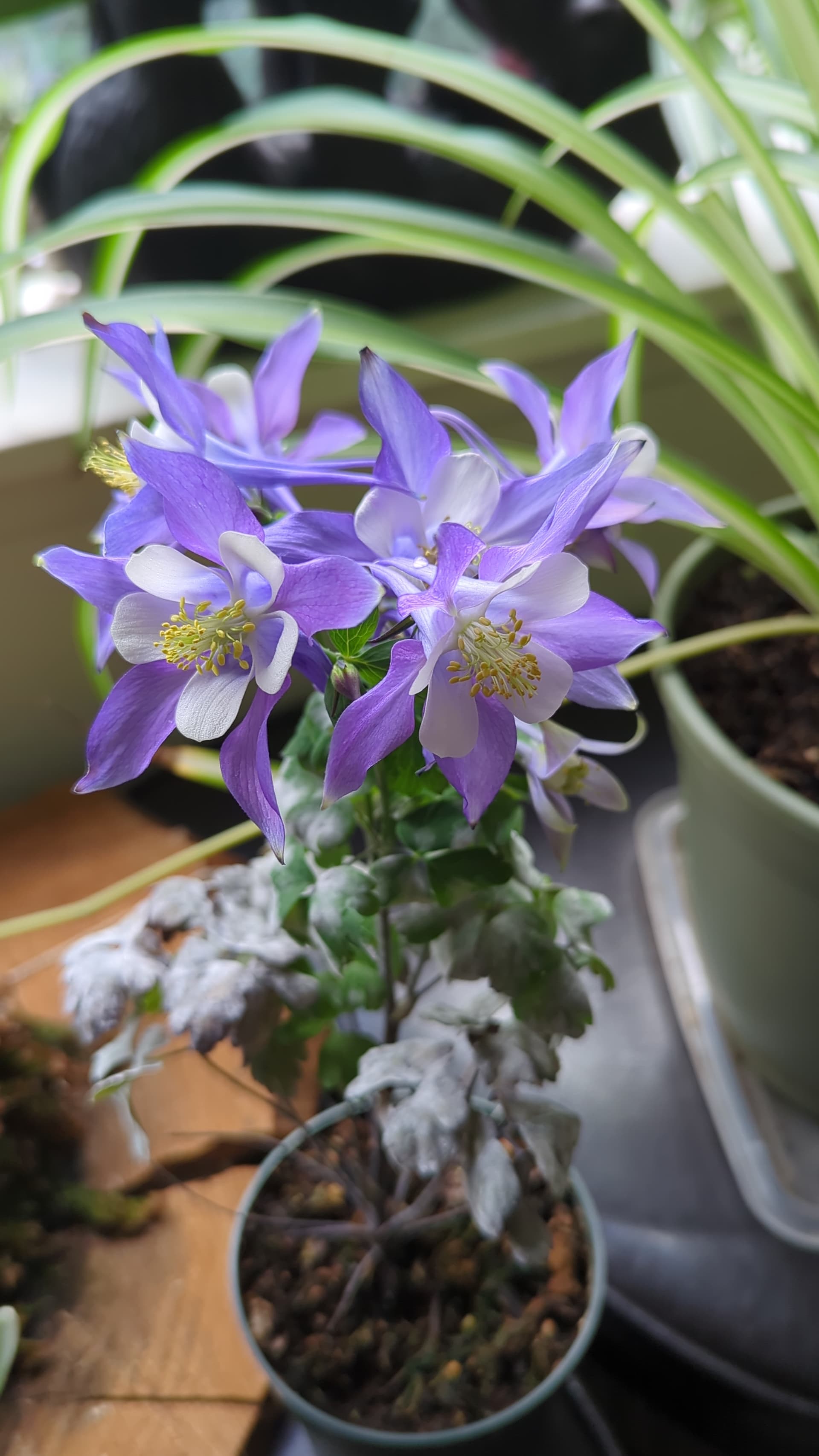
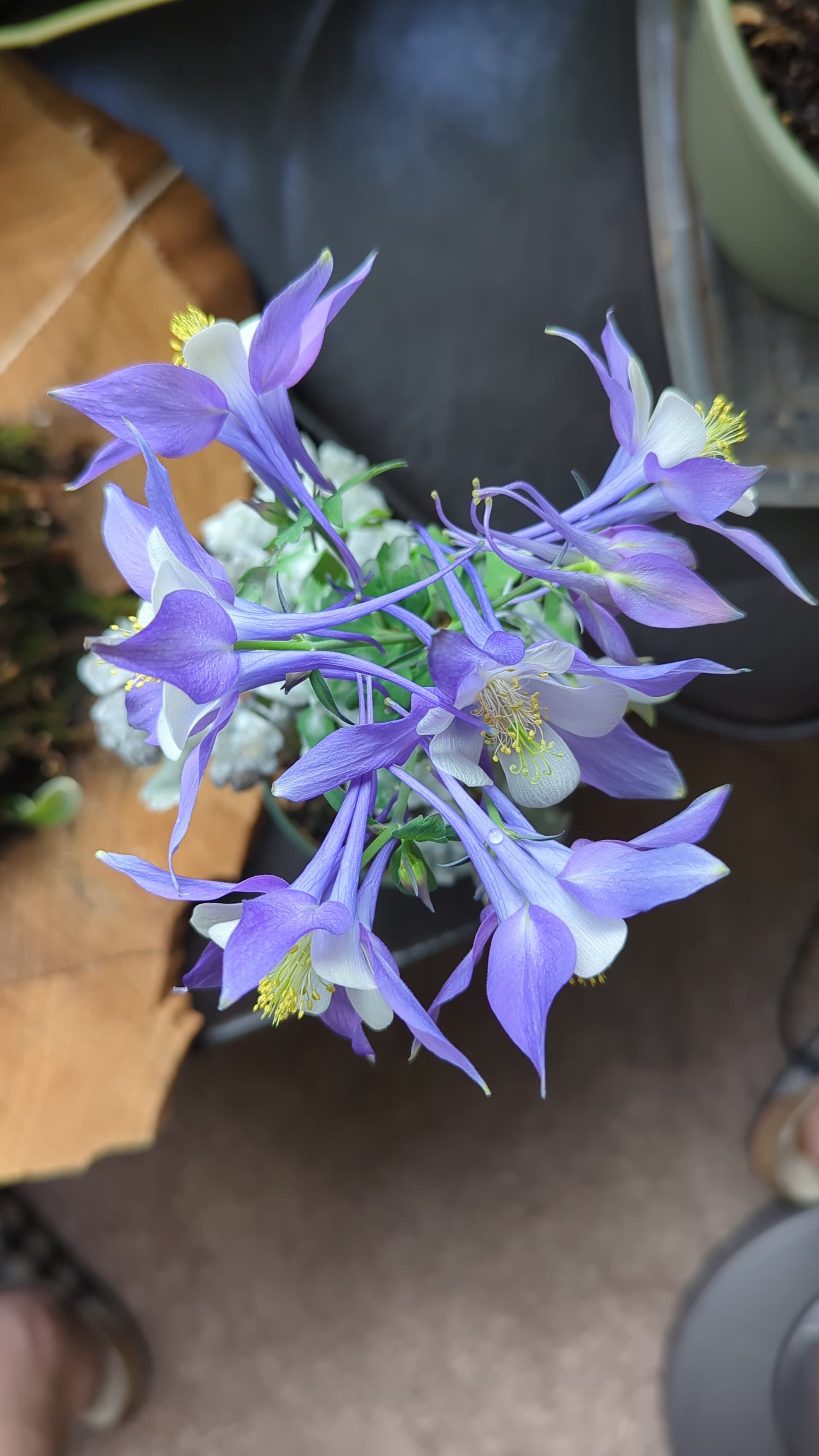
Well that little plant is showing it’s best side! Beautiful!
1 Like
Looks like downy/powdery mildew is overtaking to lower leaves. Are you going apply a fungicide?
2 Likes
I always thought it was nutrient deficiency…its had constant air flow for over a year. They only usually last spring to summer outside so was just expecting it to die after the flowers.
1 Like
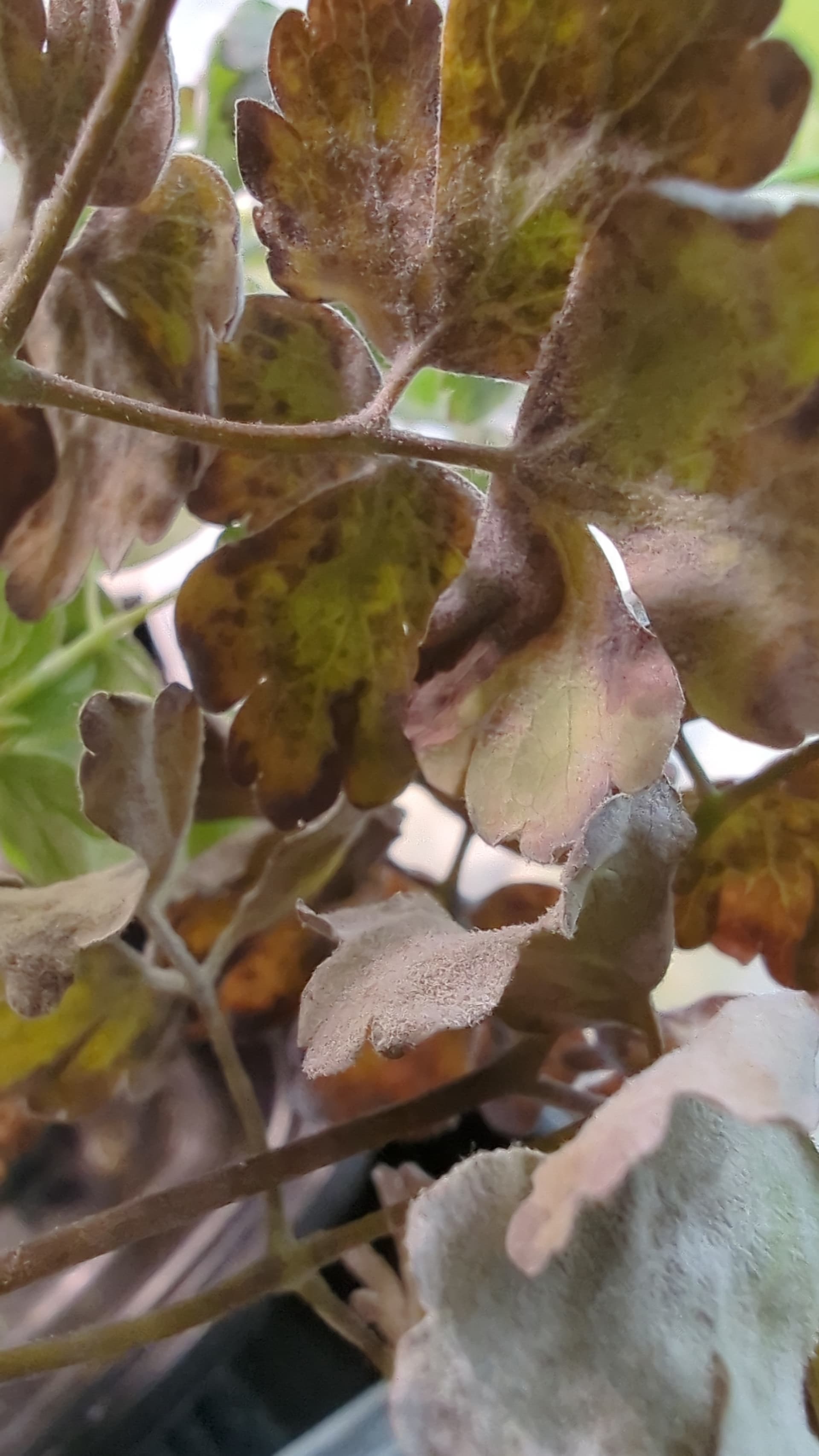
If you take a photo focused on the leaves, I can be more sure. On the underside of the leaves Down mildew will have black spots among white fuzz.
If you’re fine with them acting as an annual, then no need for treatment. Many plants (like my petunias) however can actually live years if kept inside so temperatures don’t cause them to die. Though I do sometimes need to treat them for Downy mildew which is very common to see in the fall.
You may also consider taking a q-tip or something and hand pollinating the flowers so they can set seed, though if you do that you’ll probably want to treat downy mildew if present so the seed pods live long enough to fully develop and mature.
2 Likes
Yea, its not looking pretty…i did try to pollinate, but since its just the one plant, not sure how viable the seeds will be
3 Likes
Comparing to the few pictures available online, I’m now I’m leaning toward a powdery mildew fungi (which is a complex of Erysiphaceae), but in practice the effects and treatment are generally the same at downy mildew (which is actually a complex of not-fungi but fungi-like Oomycetes, also called water molds. They have a complex and fascinating life cycle).
If you consider keeping it around, I’ve heard neem oil is effective on powdery mildew, so that a “safer” option for treatment than a typical agro-chemical like Propiconazole. That said, most of those leaves if treated will still die, they’ll just no longer being infecting what around them. You might also consider manual removal.
Downy mildew tends to be more “fuzzy” than powdery mildew and form yellowish fruiting bodies, which turn black, though at first it may lack these. A good example:
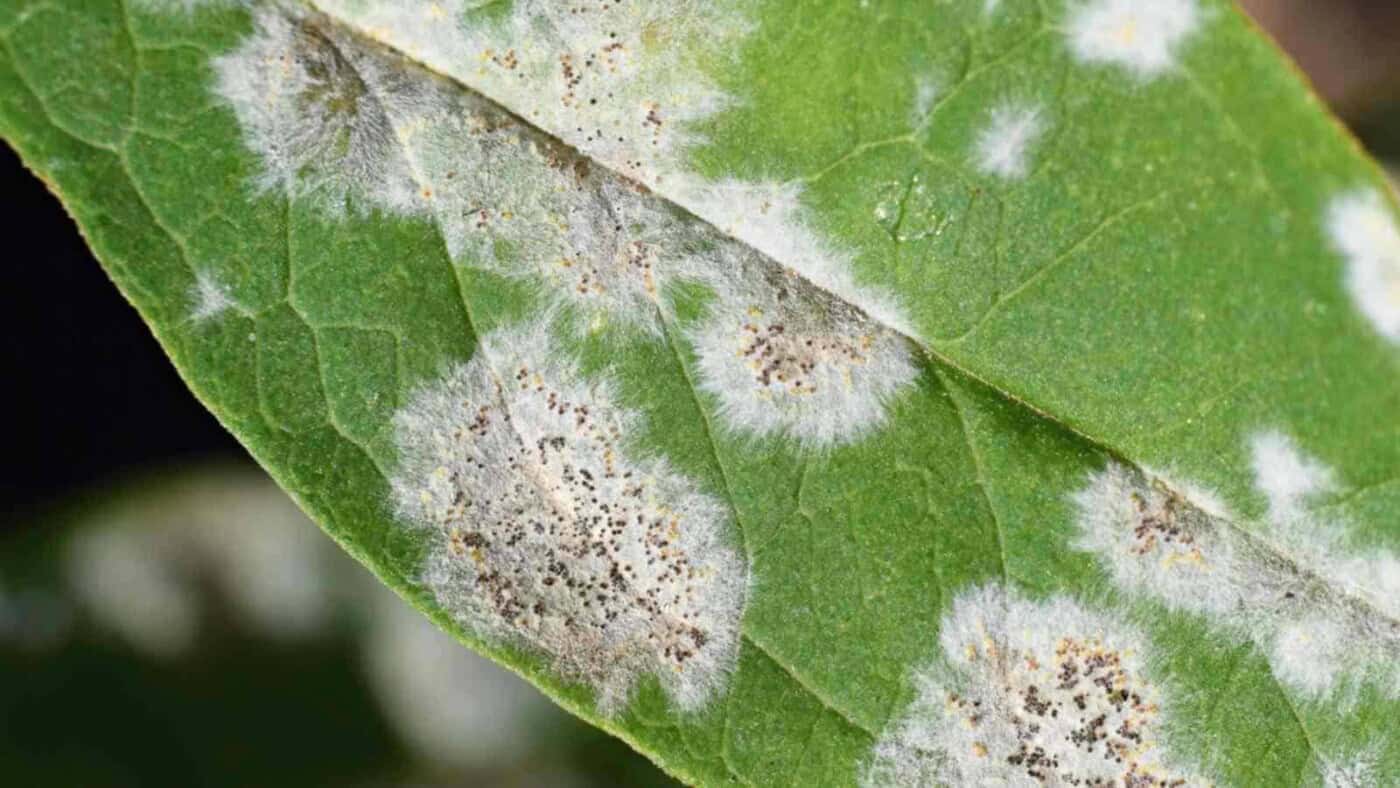
And two more examples I just took of some hazelnut leaves. Not considered an issue on hazelnuts currently, because it generally is heaviest when hazelnuts are about to drop their leaves anyways:
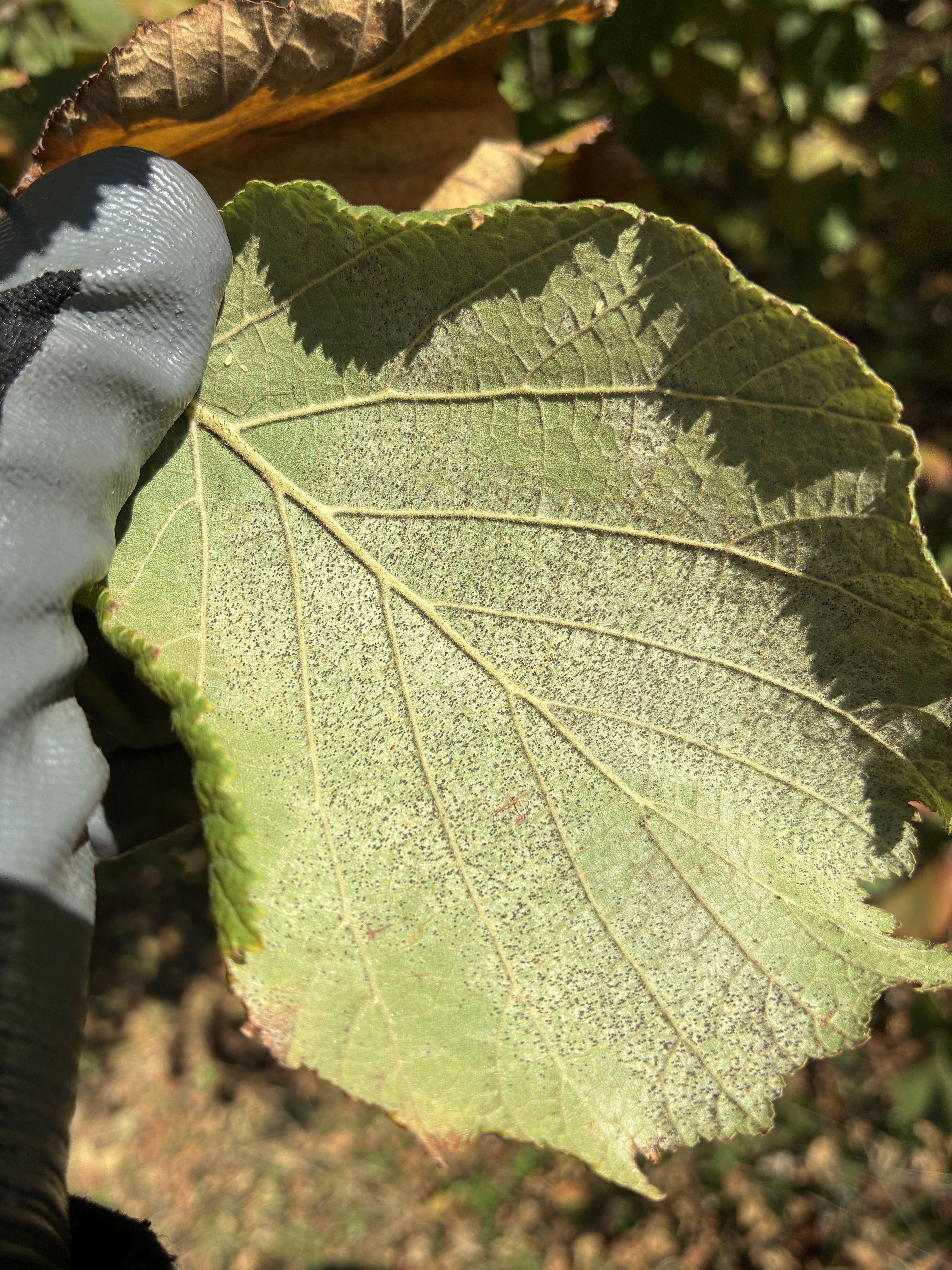

2 Likes
I chopped the worst of the leaves off. Will neem oil it asap…i got some biodegradable pots for my spiderplant pups and they got really bad mold…im wondering if it spread to this plant because its always been weak and sickly…some of my moss balls have a white powder looking substance now too…
1 Like