No offense, but SA has absolutely tiny energy consumption stats, and can easily dump excess power or make up for shortfalls by importing from surrounding states. You can not extrapolate from that at all. I’m happy for you that reliability has gotten less shit than it used to be, but consumer happiness is only a small part of the question with respect to whether a solution works or not.
“When everyone is sleeping in the dead of night” all those electric batteries will need go be recharged for using during daytime, no? and we still could still stand to electrify like 75% more energy use.
Leaving aside that fact, here are also still many industries that run on 24 / 7 schedules, although that’s probably not very relevant to you as a European who mostly buys stuff produced in China and in other places that now do most of the industrial production, but that doesn’t mean we aren’t indirectly still reliant on coal and that we can can extrapolate from small trading nations like Sweden.
Today we are moving from fossil fuels to a rapid transition transportatis. Whenever there is a 10x change, the old gets replaced by the new. Oil was not 10X better than coal in electricity, and therefore we did not use oil for electricity. Solar, Wind and batteries can sell electricity 10x cheaper than fossil fuels can.
name me one economy that is actually run off grid scale batteries that substantiates this. It doesn’t exist, so how do you know it’s “10x cheaper”? Similarly with the grid augmentation costs needed to prepare for decentralized energy production, these costs alone run in thI tens of billions of euros here in NL. And yeah, Germans pay like 10x the price for electricity that the French do with their mismanaged system that crapped out the same year downstream was blown up and sanctions generally curbed energy availability, leading to emergence energy reduction targets been set all over europe.
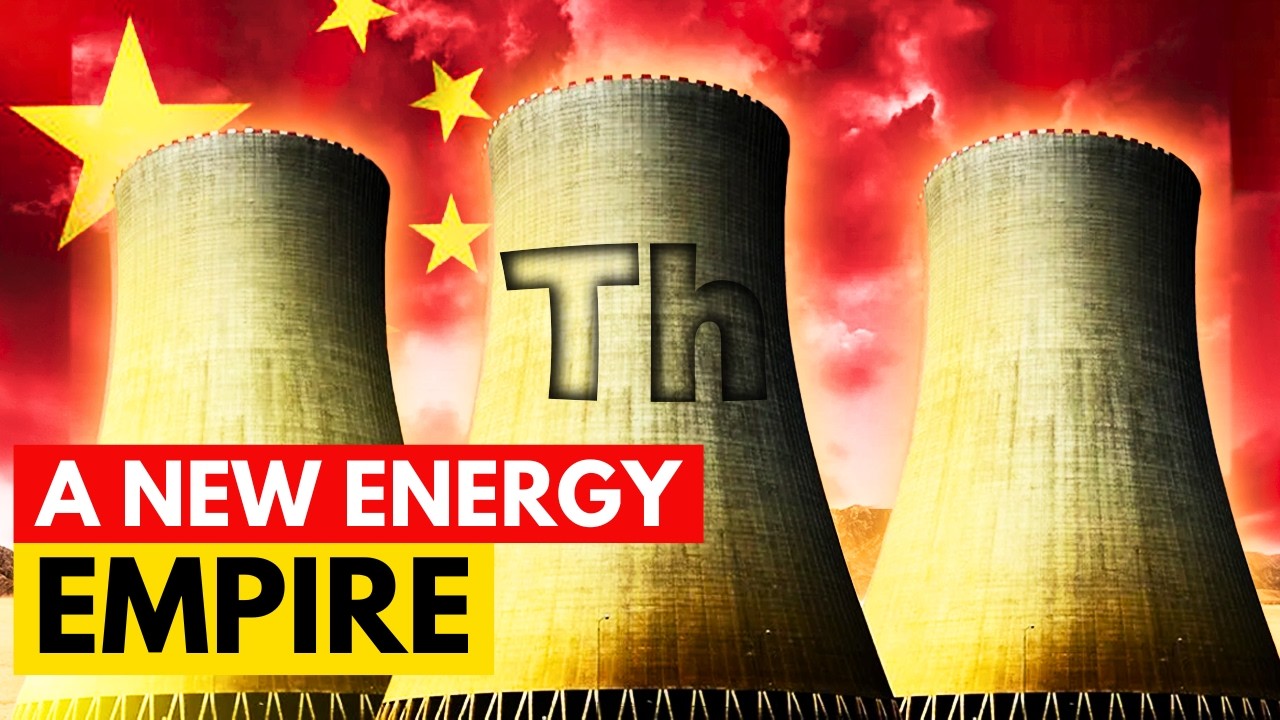
It’s Happening - China Launches World’s First Thorium Nuclear Reactor
South Australia is extremely close. Read @level1 post above.
As for what you are suggesting, first name me a grid that is 100% Nuclear🙂
SWB is the backbone of the future grid and base load is stranded assets. If you want to know why, go to RethinkX, read the reports, watch the videos. They tell you why in a much more pedagogic way than I do.
The TLDR is that SWB is now waaaay too cheap.
Yeah so pygmy economies that are parasitic on their surroundings can do it, as I already indicated but you simply ignore, probably because you don’t have an answer. How does this scale?
Still waiting for actual numbers backed by real projects on this.
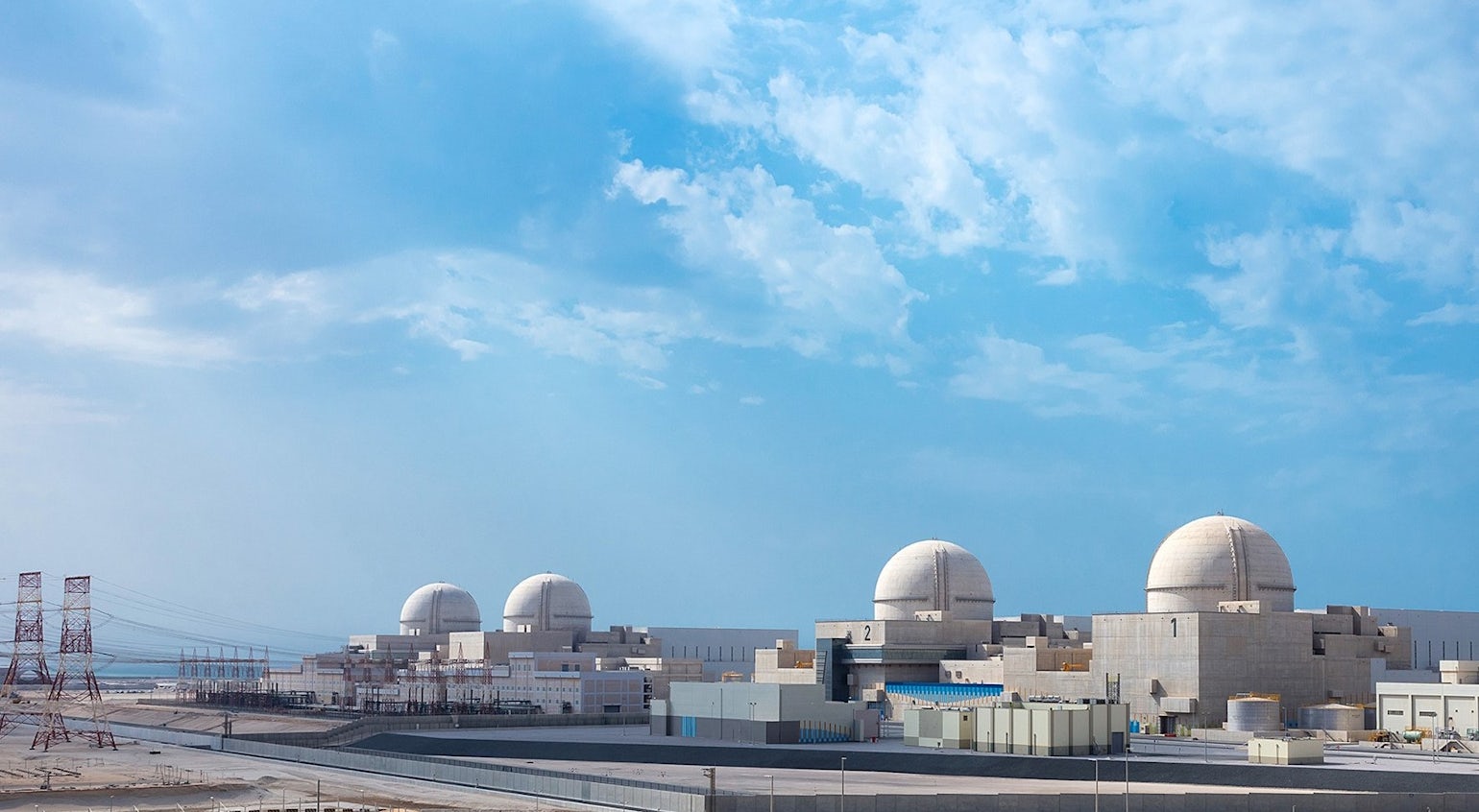
South. Australia.
And the rest of that entire continent is rapidly following suit.
So I checked. I saw you posted the video in the topic but nobody has posted the counter to that.

Fusion is still a bit out but:
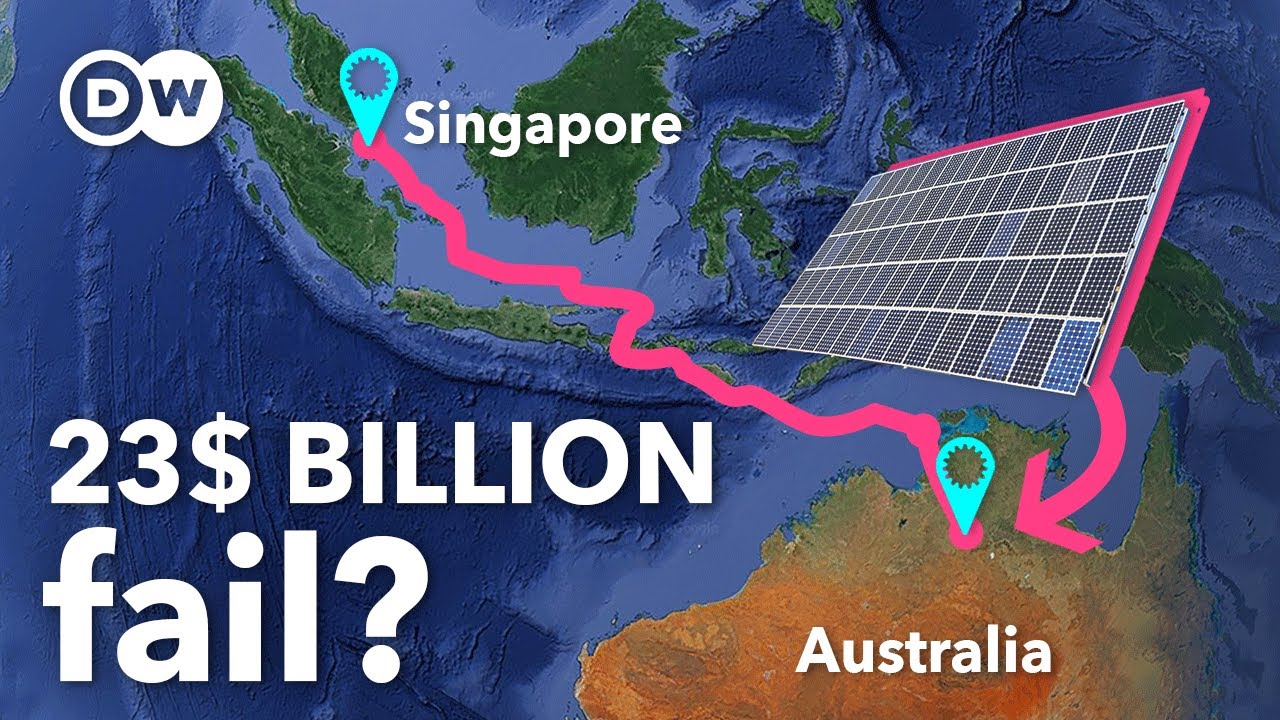
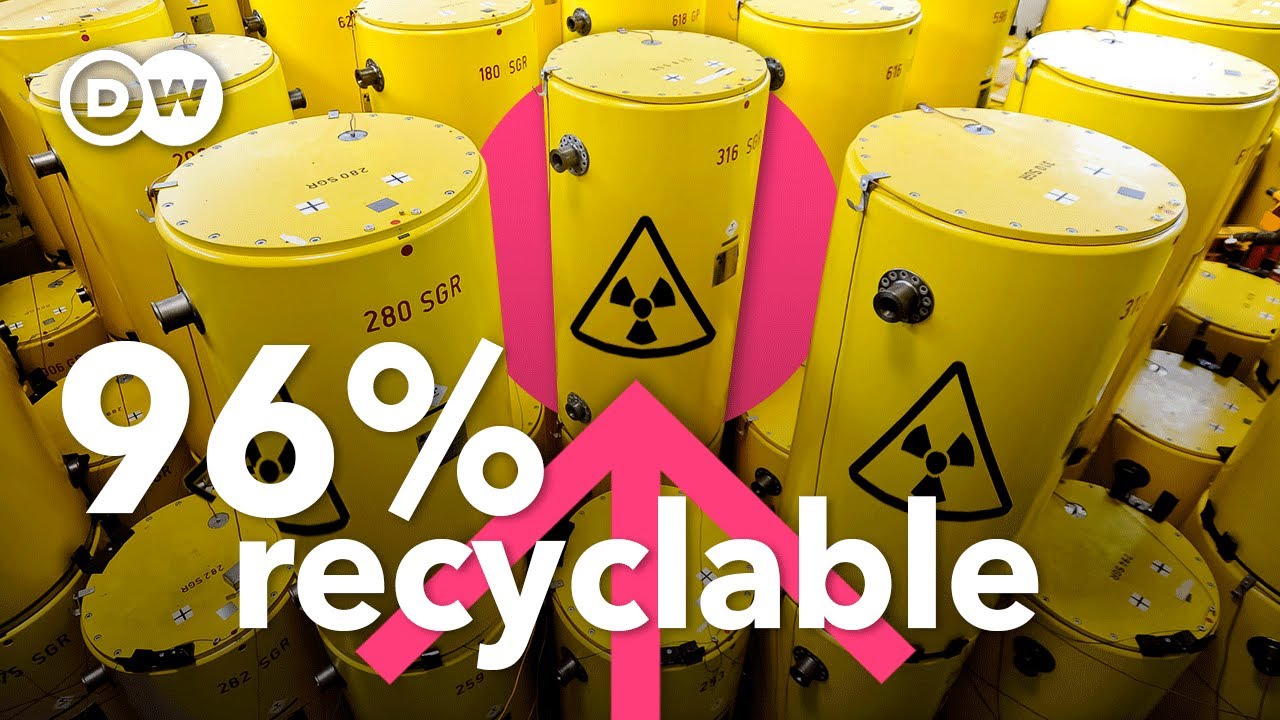
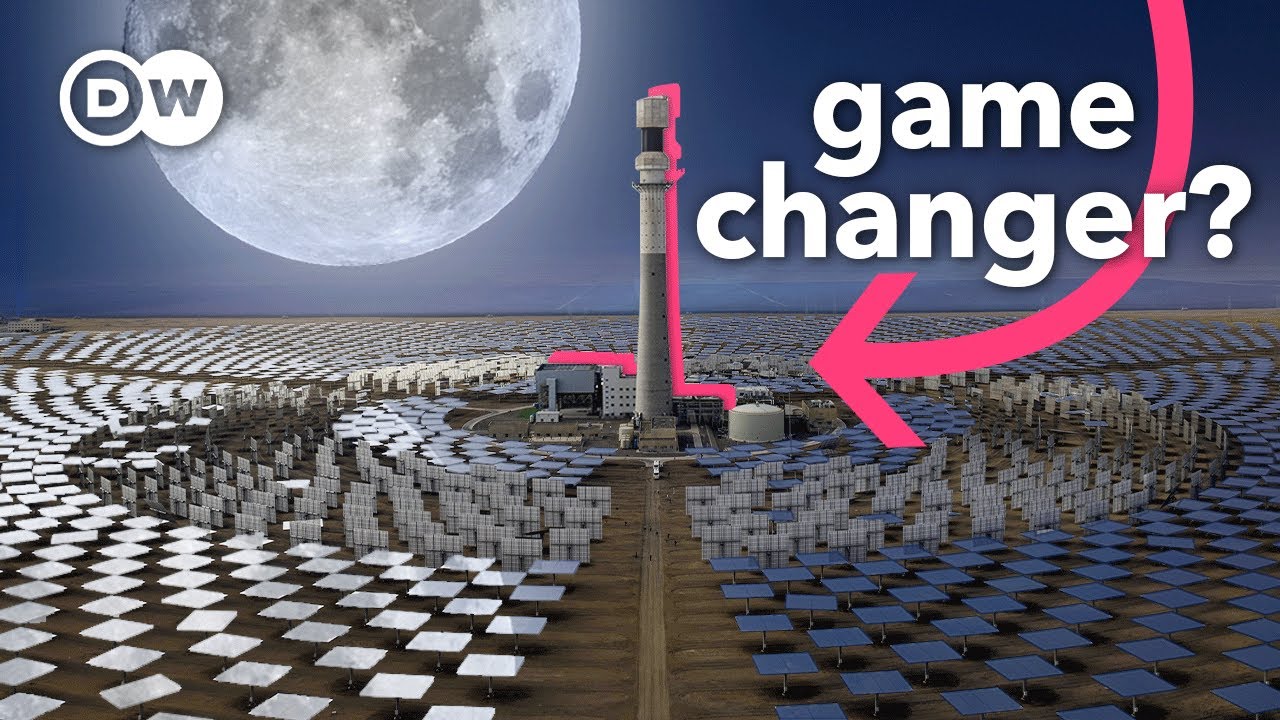
I tend to prefer videos about the content to get an idea and if it is interesting I will delve deeper. Electricity kind of matters because it is expensive and the current production causes environmental harm affecting everyone.
“Generation density” would only matter if you wanted to generate all of your power in the middle of a dense metropolitan area where vacant land is scarce and expensive. It would, however, be stupid to do that with any generation facility. That’s why we don’t do that. We build generators where land is cheap and populations are low, and use transmission lines to move the power.
Your argument is, therefore, irrelevant — generation density doesn’t matter in the slightest because we have no shortage whatsoever of under-utilised or un-utilised land, and no shortage of metal for transmission lines. Next.
PS: How many nuclear power plants can you build on top of houses in the suburbs? Or on top of factories and shopping centres? Can you put a nuclear power plant on top of a kindergarten? Can nuclear power plants be made in the form of shingles? Wall cladding? Car sunroofs? Solar panels can be part of, on top of, adjacent to, or covering a multitude of structures and entities. Sheep can graze underneath them. Photovoltaic arrays happily co-exist with many other forms of land use. Nuclear power plants don’t.
If we, the humans, wants to start making smart choices for the future of our planet. We should definitely build out less land. Not more.
How much rainforest have we destroyed in the last 50 years? How much land are we destroying to make solar power and wind power?
And since you mentioned transmission lines. Do you have any data that supports the fact that building solar and wind requires less transmission lines?
Spent a couple of moments(months) in Capetown. South Africa. A picture from table mountain looking down on the harbor.
Working reactor (Nuclear Power in South Africa - World Nuclear Association ).
Regards

O it was mentored (South Africa) along with Denmark in a diagram above. Denmark and nunclerpower? Unfortunately export a lot of power to Norway(no EU), Denmark, Finland, Germany.
On my private power bills. This evening. I have to pay. Even for other country’s.
Regards
generation density is THE most important metric for solar, and the reason why it simply CANNOT be the “backbone”, ever. There is an absolute, hard, unyielding limit of approximately 1kw/m^2. That is the energy density of the sun’s emissions striking the earth perpendicularly. Now let’s factor in capture efficiency, and we’ll give solar a bonus assuming advancement in that area up to 30%. Now half of that away for night time. I don’t know what the average loss is for clouds/weather, but there definitely IS one. Half again sounds reasonable to me, but let’s go super generous and say 80%. We’re now down to 120 WATTS per square meter. At noon, in the summer. Haven’t factored in ANY of the engineering and social factors like NIMBY, the massive battery farms you’re going to need, etc.
I LIKE using solar/wind/hydro/whatever else when and where appropriate. Entire national grids ain’t it. Usually, the economics would guide this. But that doesn’t really work for the energy sector, because the scales are being not just thumbed, but mashed into the dirt for political and social reasons. renewable is “crushing” it right now because the governments have chosen it. It gets showered with incentives and subsidies, while nuclear and fossil are buried in regulation that the operators are made to pay for. Not just the cost of compliance, but literally the regulatory bodies themselves. No, “greedy corporations” are not what is driving the choice. At least here in the US, utilities are SO tightly regulated that essentially the government sets the price and profit margin.
You tell that to Australia which is already generating 102.5% of the demand curve using rooftop solar.

Fun fact; A solar park that could power the entirety of North America mainland would only take up roughly one tenth of the Arizona desert (150x150 miles).
China is building equivalent to 2x-5x Nuclear Plants (depends on how you look at it) wind and solar a week. 20% wind, 80% solar. In a year that is over 200 Nuclear power plants ready to become retired.
Look, you are arguing smartphones will never take off because they are too expensive. You are arguing internet based video streaming will never take off because a 56k modem doesn’t have the bandwidth, so everyone will go to Blockbuster forever. You are arguing 55" flat screens is a pure impossibility because resolutions aren’t there and TV benches are built for 32" thicc TVs.
I guess me watching Netflix on my phone and at the same time playing on my Switch on my 55" flat TV is a complete fantasy then, even though I distinctly remember doing so about 30 minutes ago.
Wait until 2030, by then it will be abundantly clear solar has won the race. For those with a somewhat open mind, it already is clear enough, but I guess not for those blinded completely by their cognitive dissonance. 
I am sorry but Nuclear is about as dead of a corpse as the Amiga computers. Maybe it is a good idea in the far north where sun is limited, though there is more wind. For the sun belt, Solar is already at god parity and getting cheaper by the month.
I’m saving this one for perpetuity 
You keep using one of the lowest populations densities on earth as proof solar wins. Good for them if it works for them. Like I said before, I AGREE with using it where you can. Try to power NYC or Tokyo with rooftop solar and see how well that goes.
I have made NO argument that solar will not “take off” and I’ll thank you to not put words in my mouth in a flippant and disrespectful manner. I own solar panels and batteries. My argument is “renewables” are not an appropriate sole-source for the world’s energy use, and the only way they will “destroy” nuclear is if that outcome is artificially forced. In which case we will pay dearly for it.
Ok, let’s move to India then, they are set to produce 50%+ via SWB by 2027 according to the World Economic Forum, 100% by 2035. Would you also call India low density?
Ignore me, if you wish. That will not change the facts. The writing is on the wall and by 2030 it will be in huge letters all across the palace.
But what if you dump fission waste into a fusion reactor? Would the temperatures destroy the waste?
No rainforests have been cleared for solar or wind. They were cleared almost entirely for agriculture… to feed the mouths of an exploding population. Please don’t insinuate that solar and wind have anything to do with that particular problem when it’s clearly caused by overpopulation.
If you want to save the rainforests and the planet, don’t have children.
Next.
I didn’t assert that “fact”. I don’t know if it is true or false. I don’t even think it’s relevant.
More transmission lines means a more resilient and reliable grid. They let you route around points of failure as well as allow power to be shared between areas in different time zones, with different weather as well as varying generation types and capacities.
More transmission lines are, therefore, good for the grid regardless of the form of generation that is supplying the power. Interconnectors benefit all. The more the merrier!
Next.