In a quite old video from L1T, Wendell discusses the fact of machinery and home appliances that nobody ever changes out yearly “because it has a bigger screen”. Cars are kinda the same thing. You can go out and buy a 1940s Volkswagen, and it will run and work fine. Only issue is going to be the material wear on the parts. now to the topic
But what about modern cars, with all their operating systems; software breaks, doors and what not.
How can we possibly expect and have a car from 2022 be working in 2042, 2062 or 2082? Is there someone making an OS that can universally be used like Home Assitant or does everyone have to trial and error to make the software working for a car that is a few years old? What about a car that was released by a car manufacturer that does not exist anymore? Does the car just not work because it can’t connect home?
What do you think? What should we do? Are cars that can be hacked even technically safe to use?
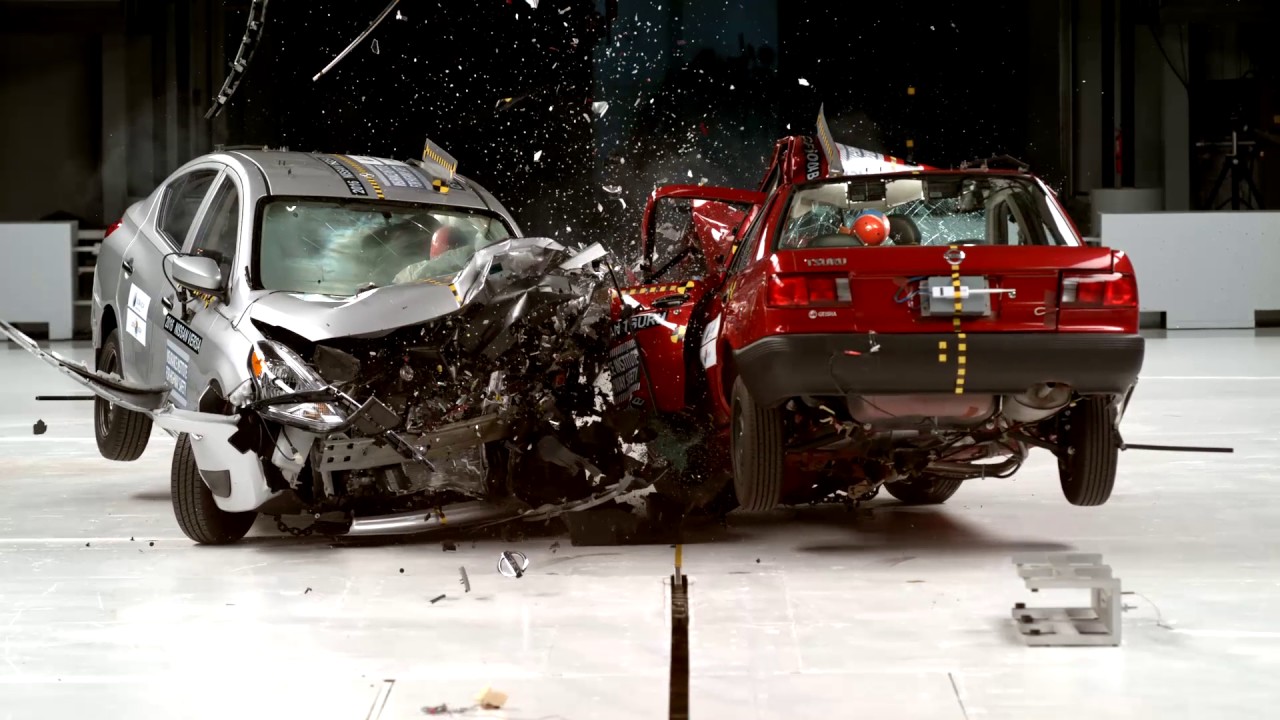
Number 1, and the biggest is safety, I would never drive a 1940’s VW, you would die in a crash, and I don’t like being dead
Check this out (This is essentially an old car vs new)
Then comfort. I would love to drive a 1940 VW for some fun on the weekend, but going grocery shopping? No power steering, its slow as heck, no heated seats, no connecting to my phone, no showing navigation, headlights probably terrible, etc etc
How can we possibly expect and have a car from 2022 be working in 2042, 2062 or 2082?
I know of factories manufacturing critical parts with CNC machines and other equipment that are controlled by Windows 95 machines, and still have no issue. I’d wager that Windows 95 is a lot easier to break than car software you can’t login as admin with and mess around with
So, I don’t see it as much of a stretch that a car from today would still work just fin in 2049. Plenty of old cars with computers still trucking along
Well I haven’t been in a 1940s VW, but in a 1960s Beetle. A friend has one and we used to drive it around town in the summer. It doesn’t matter about navigation because we all knew exactly where we were. No need to connect a phone, as no radio to play music through. Nor would you need to charge the phone then because it won’t go low on the way. You can upgrade all the other things (headlights, heated seats, radio) basically without a manual. Also enough space in the car for groceries.
Repairability is a concern of mine; for example the one Tesla car mechanic who made his youtube channel about Teslas, Rich Rebuilds. He had to figure out everything by emself to be able to take two broken Teslas and make one working.
The question is just that what is the repairability in software cars?
I’d agree that cars are something that should be able to be kept around for at least ~20-30 years, longer than many people are keeping them now. However I think as time goes by the average car on the road’s age is going to go up and up because on average older cars were more maintainable than newer cars.
As far as operating systems on a car, traditional cars don’t really have one, they have individual modules that run lower level firmware that talk to each other over canbus and are typically very reliable… but when a hardware fault does eventually develop (fatigued solder joint, capacitor explodes, magic smoke escapes) the module will need replacing, and that’s when the issue of diagnostic tools comes in which are the sustainability problem I’m worried about. Some diagnostic tools are absolutely required to do a replacement job and are no longer made.
Then there are the other more “integrated” cars like teslas or basically any EV, these do run software on a more integrated system and can have trouble (bugs) and break the core functionality of a car, I don’t have confidence these systems will function long term; but then again I suppose most EVs won’t last long term simply because of their batteries aging out.
Also of concern with these more integrated cars is that many of them do “phone-home” over there own dedicated cellular network connection which could be abused by the manufacturer itself or a third party.
There is good reason for using windows 95, prior to windows NT, direct parallel port access could be done through user space applications allowing software to directly control hardware without an abstraction layer (performance sapping driver).
I came to this thinking when I was pondering on my plans. I thought about buying an older car and tuning it to an EV and having smart controls and such; being the part of what I was thinking off. Would I be using Android Auto on a Tegra Devkit or some Linux on a Risc board; to control the radio, speakers, lights, hydraulics and what not?
Virtually every subsystem in the Ocean — brakes, airbags, shifting, battery management, door locks — needed to periodically connect with Fisker’s cloud servers for diagnostics or regular operations. When those servers went dark, the cars didn’t just lose their infotainment screens. They lost critical functionality.
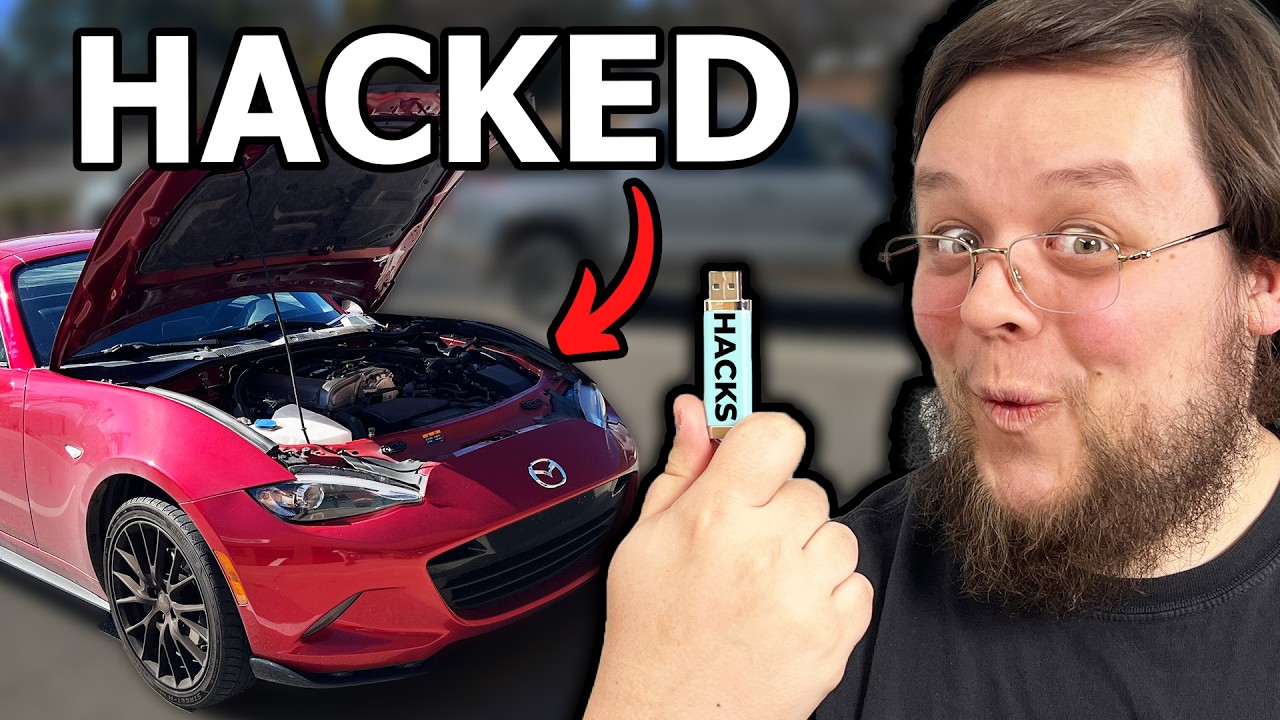
A modern car is basically a large iot device made by companies that have no clue about IT, so hiring a security consultant to reverse engineer and hack it is feasible on a relatively small budget. You can probably run a crowdfunding campaign.
The real kicker is the legality aspect. Depends from how much of that is the manufacturers bullshit or it is mandated by law.
If you jailbreak a car you expose yourself and the hacker to DMCA lawsuits, so a civil matter.
People like Louis Rossman are campaigning to have the DMCA modified to allow jailbreaking and hacking the devices you bought and own, but this may be a pipe dream considering a lot of corpos rely on these provisions to lock you out.
But the story changes if you turn off the cameras or the alcohol detection sensor mandated by the government, its probably a felony and there is no working around that
The Slate Truck has a lot of positive attributes, to be sure. One is that you can drive this truck in an almost completely disconnected way. There are no telematics in the vehicle itself. The Slate Truck relies on its app to deliver information back to Slate. It’s not a natively connected vehicle, it only collects data it needs to refine driving characteristics and improve the vehicle over time, and collects the information through the Slate app. People looking to get a break from Big Brother may be up for spending more money to get that privacy, though who knows what the future will hold.
That’s probably one of the reasons there are laws in the works to effectively ban old cars to eventually close the loophole and avoid a Cuban car situation where people keep using stuff from the 50s. As mentioned by the other poster above some states already have them
Imho this is not a technical problem but a legal one. Unless this onslaught of government mandated surveillance is stopped, and the DMCA modified, the only loophole is going Amish and buying a horse
You remove the old ECU central control unit as a whole, and place a new one into the same main wiring harness. Plug and play. USB-C port to flash updates.
This alternative open ECU compatible with <insert manufacturer / engine> for with compatibility for [year] to [year].
EG: OpenECU Toyota Corolla edition years 2000 - 2008. OpenECU Tesla edition years 2015 - current.
Or whatever. Obviously I am massively oversimplifying. It would be a massive undertaking. But I think there are enough car-nerds that there would absolutely be interest and demand in such a project.
And yes, safety… Safety concerns are valid. That one will probably be trickier than the reverse engineering efforts… And likely outright banned in many countries from such a modification.
There are at least two options for a FOSS ECU: Speeduino and rusEFI. The latter seems more featured, but both are actively developed and have been used on real cars. Not quite plug-and-play though.
Well the thing with modern cars is that they put more and more base features,
in a multi media screen which is nice as long as it works and gets it´s updates.
But at a certain point those systems will get older and might not get updates anymore.
And yeah it´s probably not as straight forward as jailbreaking or install an open source OS,
so that the car will still be somewhat usable after an x amount of years.