With second hand GPUs increasingly out of budget, I’m turning my head towards getting broken ones and repairing them. I currently heave super-cheapo soldering iron and super-cheapo multimeter. Is this a good enough for a start or should I get something more quality?
Can you recommend me suitable equipment and noob-level tasks to try and learn the skills?
You cannot get by with cheapo gear dealing with such sensitive electronics and small components. You need stuff that rivals the quality of Weller and Hakko (read rivals quality, not necessarily price) for soldering irons and fume extractors. You will need quality solder reflow and hot air stations and hot plates. Key here is quality that is calibrated and is very close to the temps and airflow that it says it is doing.
If you are using a cheap Radio Shack soldering iron or an one-temperature heat gun, you are going to do more damage and destroy good components that could be used to repair broken gear.
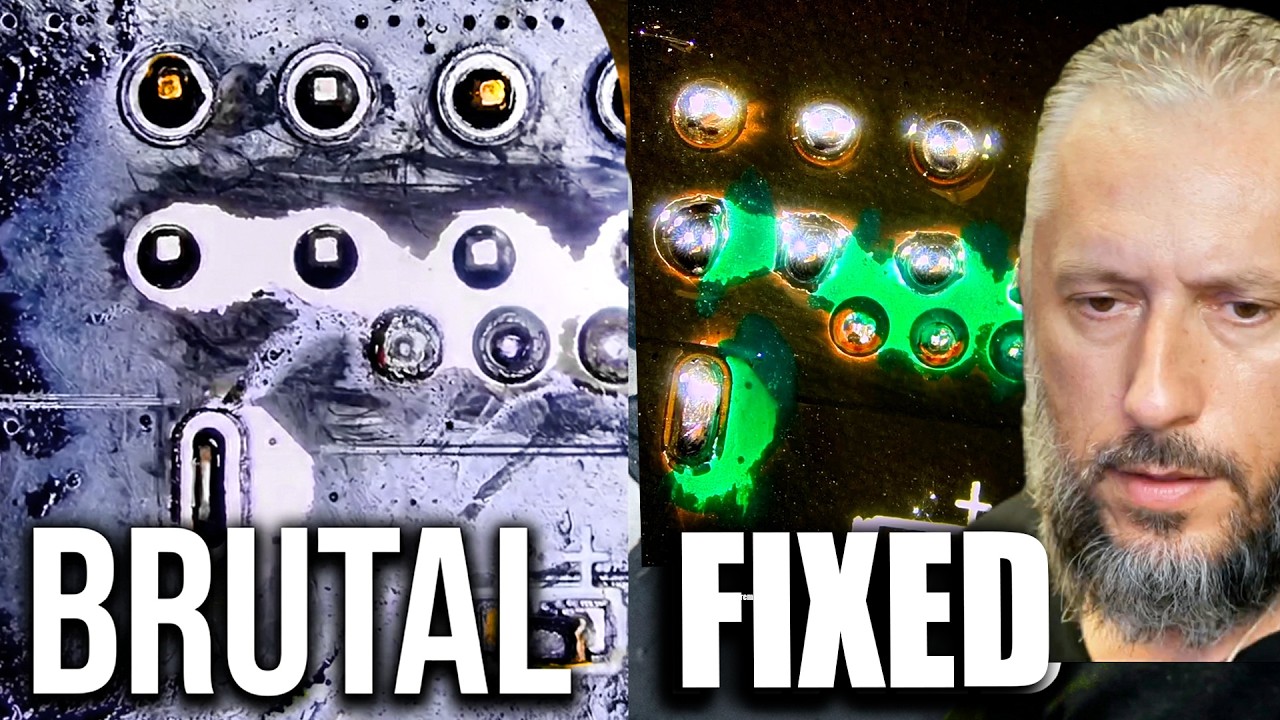
Check out northbridgefix on youtube, he kinda specializes on pcb repair and shows the full process so you can see and learn.
Without better equipment what you can do is very limited though.
You are probably better off getting a second job doing something else so you can have more money instead than trying to learn pcb repair for very complex devices like a gpu
Northwest Repair is another YT channel to look at. Like Northridge repair, they bith specialize in GPU repair, share tips, give gear reviews, and explain their processes.
yes, but keeping in mind that he is very skilled (more than Northbridgefix about GPUs, as he is a specialist that only does GPUs). Even if he is constantly clowning around and making jokes. You can see a few videos of him just transplanting the whole GPU chip and the RAM chips around it to another board or something, on a very basic setup (relatively speaking), without using any BGA machine for reballing or positioning. So don’t think anybody can just do what he does with little tools without having a lot of practice and skill first.
Please don’t use super-cheap tools to work on expensive equipment. A skilled technician can work with the super cheap stuff if they have to because they know what they are doing. But it’s really hard for a beginner.
Case in point, I did an electronic repair workshop for a few years. Students would bring in their super cheap soldering iron, solder, and other equipment to use, because they didn’t want to spend a lot of money starting out.
I would give them an practice PCB and some SMD parts and have them try to put the parts down. Nearly all failed.
I let the students use my good soldering iron, good solder, good flux, good tools, and they get the parts down with ease.
Note that I did not say expensive tools. But good tools. There is a large difference in a iron that gets hot, and one that property controls the temperature of the tip, has the proper tip coating, and shape to get the heat on the part. Flux that does not burn off within 1 second of touching the iron to it. Solder that melts at the right temp.
A good example of using the wrong tools for the job is here.