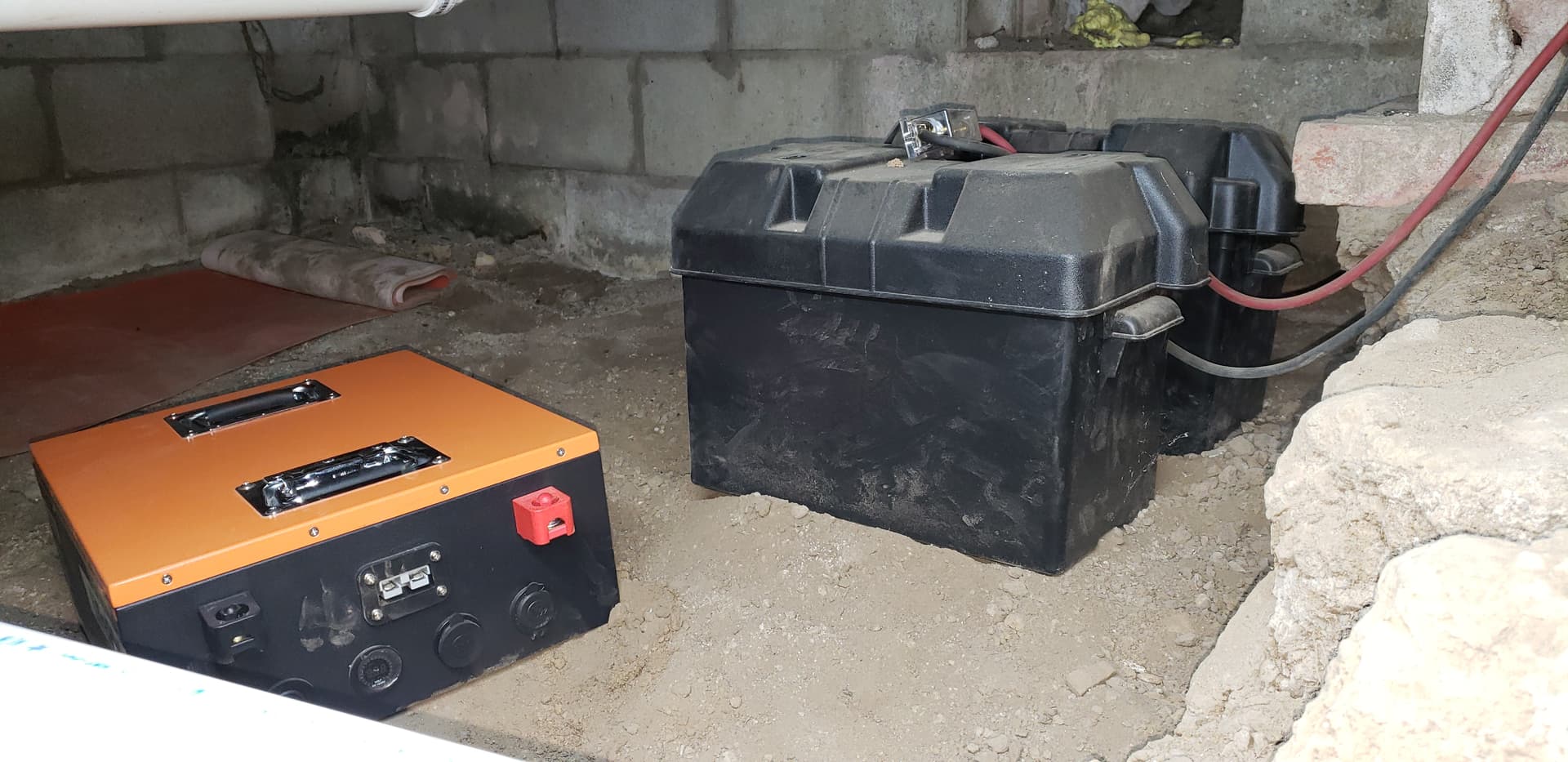
Upgrading UPS with dual 100ah deep cycle batteries kept under the house?

What could go wrong? ¯\(ツ)

was thinking about 100ah batteries or even 200ah. I’d think 100ah batteries would be the limit of a charging circuit, even on a top end mini tower 1500va UPS.

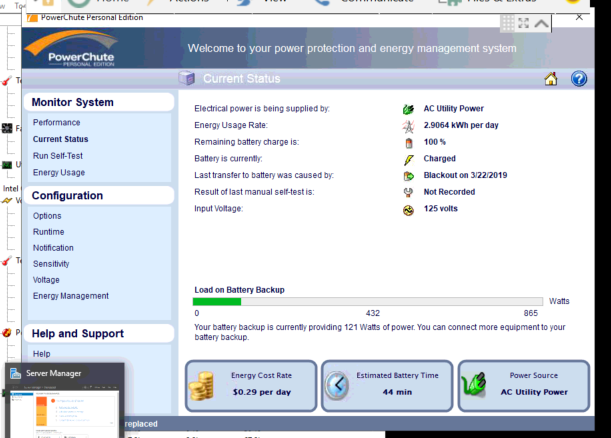
in my case i have VERY limited space and it’s packed with dual 1500va UPSs. even with all devices on 1 UPS it barley pulls 14-17% load. the only benefit is twice the battery power which does help! even with all devices, on a UPS with a bad cell i get an estimated 44minutes of run time. which is nice till the power goes out for real.

i figured if i went to a 1 UPS with bigger external batteries i’d save space and increase run time!

Go big or go home? 100ah to 200ah batteries? that last a while! no worries with self hosting stuff! lol

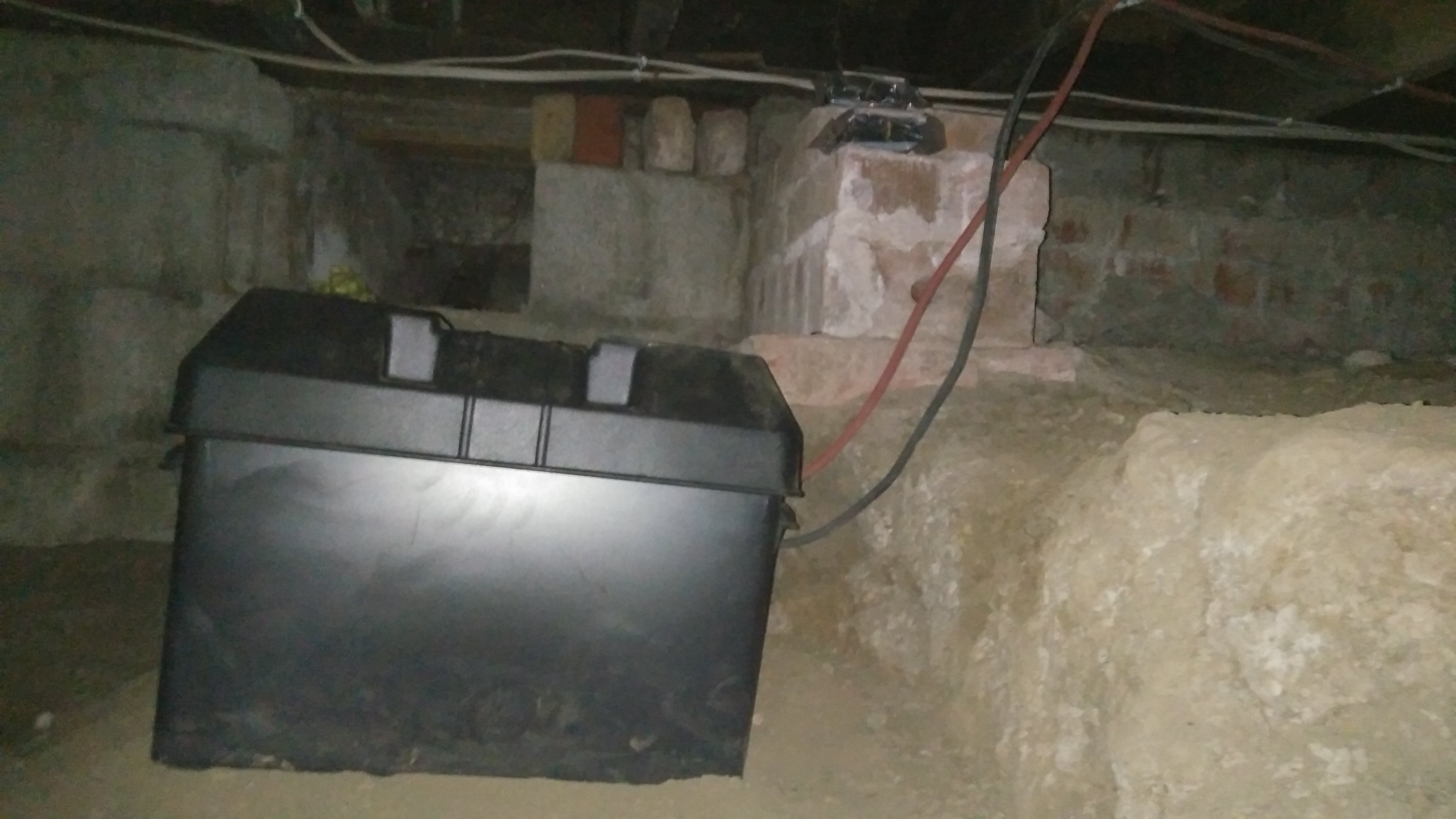
the only thing is limited space, then i got to thinking about the crawl space. it never gets hot but, it can get cold, thankfully if things get to chilly the house has a wood stove which coincidentally also heats the crawl space.

There i figure an chillier night it might not help the battery any but, nothing TOO cold BUT, especially nothing too hot. less worry of degassing and hydrogen! it’s not too stuffy so i wouldn’t think much of gas build up. generally speaking other than getting chilly it stays around a moderate tolerable temperature?

Why not? One would just need long enough wires at a thicker gauge to account for the length and electrical resistance there of…

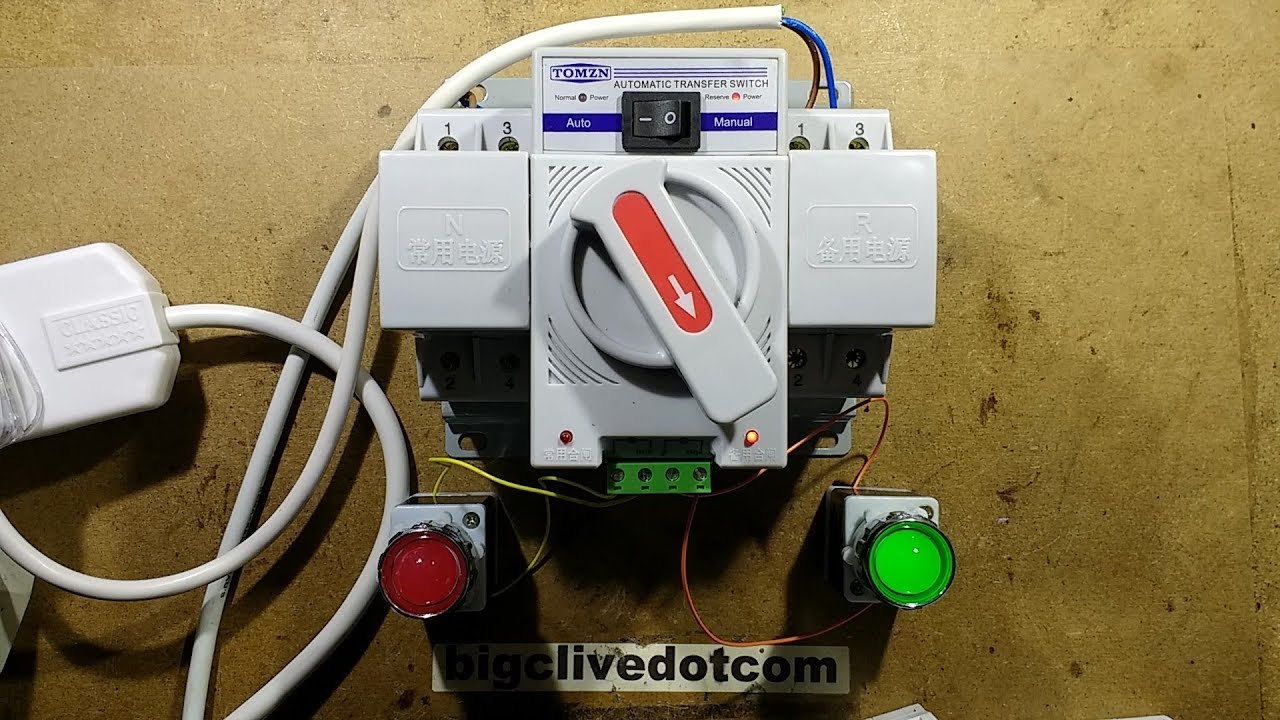
save for an automatic switch over whole home generator but, you’r usually in thousands there. unless you used an R-pi to auto start and non auto start geny?

but, for an intermediate solution for smaller 15min to 4 hour outages? ¯\(ツ)

1 Like

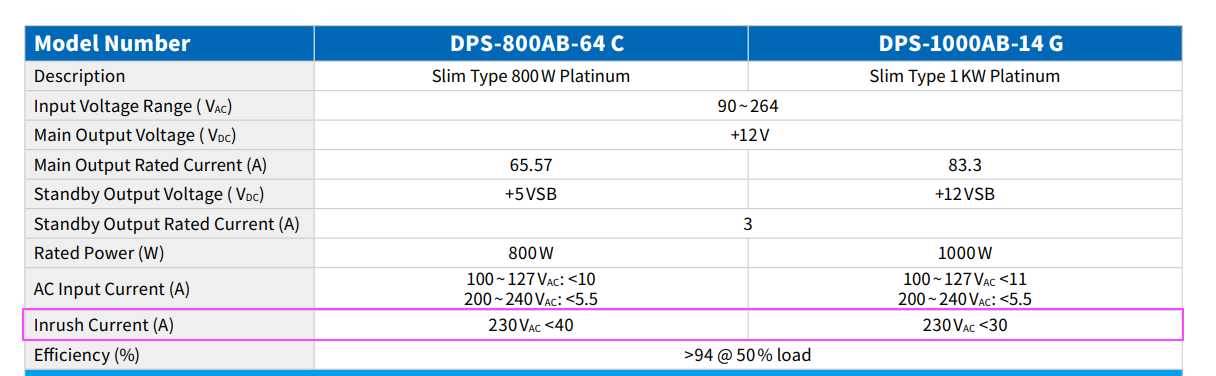
Make sure the UPS can handle the inrush current from the batteries.

What sort of load (on the UPS) are we looking at?
Take 12V batteries, when you want 400W, you get beyond 30A in the blink of an eye.

Even good quality versions of this are not cost prohibitive (when you need them).

2 Likes

Bigclive is the best

2 Likes

probably at absolute max not too much more than 400w if that.
maybe this helps?

this is with all devices plugged in to a single UPS

Will be interesting to see what the run time is.

1 Like

I am not sure what I am looking at.

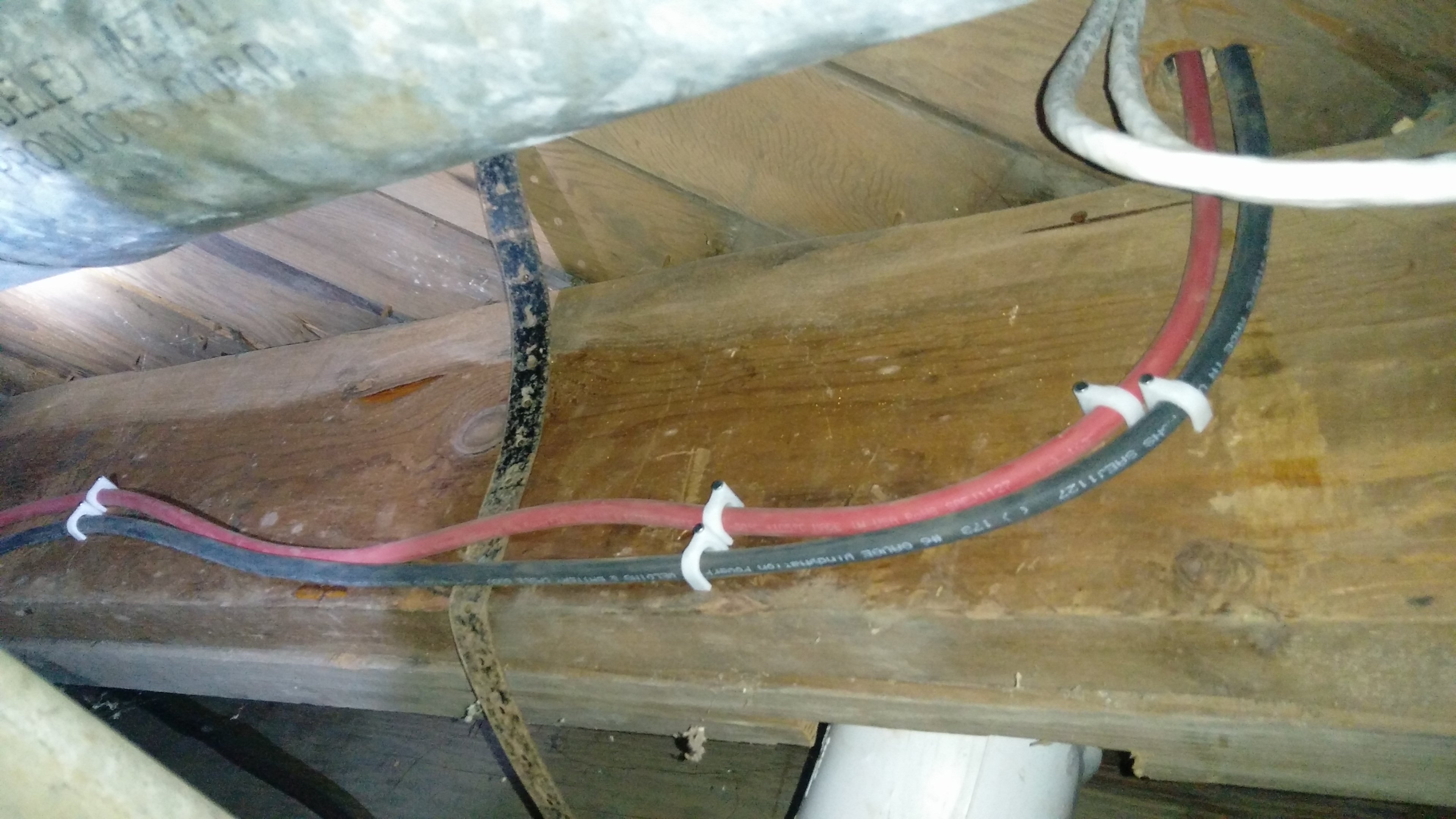
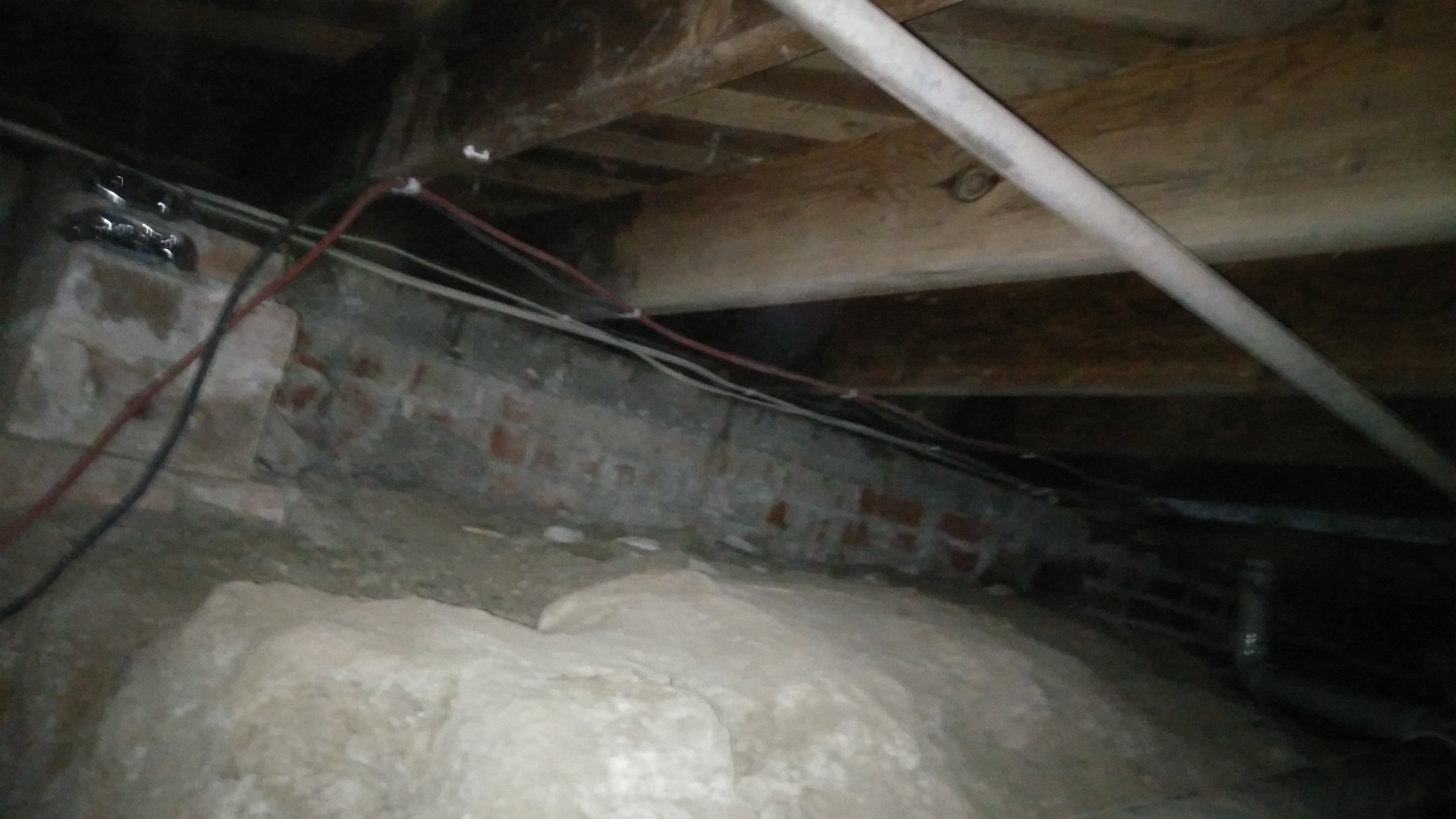
From the pictures, the wires look oh-kay, but not 32A safety buffer okay.

I am too.

Always.

Always good advice.
I am just not sure if the cables would reach critical temp before the batteries go flat.

Also: Random youtube videos with clickbait thumbnails are not good for examples.

So this crazy guy upgraded to 88ah batteries. So i figured if 88ah is doable, so should 100ah and i bought 2x 100AH batteries.
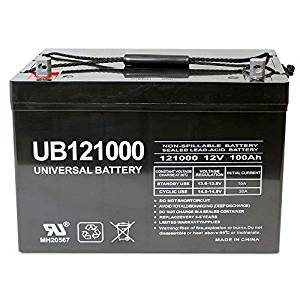
index

That means each of the 2x 9AH batteries have gone up 91AH oorrr 10x the original capacity.

Now we can cook smores over the wires OR the house as it burns down!

Smores31

MY buddy who is in to car audio mentioned wire gauge size to me and linked me this:

https://www.wirebarn.com/Wire-Calculator-_ep_41.html

i think we took 1500va (the UPS rating) and divided by battery voltage (2x 12v batteries is 24v) and got 62.5amps over 20-25ft means according to the guide i can probably go to 8 gauge if i’m willing to accept 5% voltage drop.

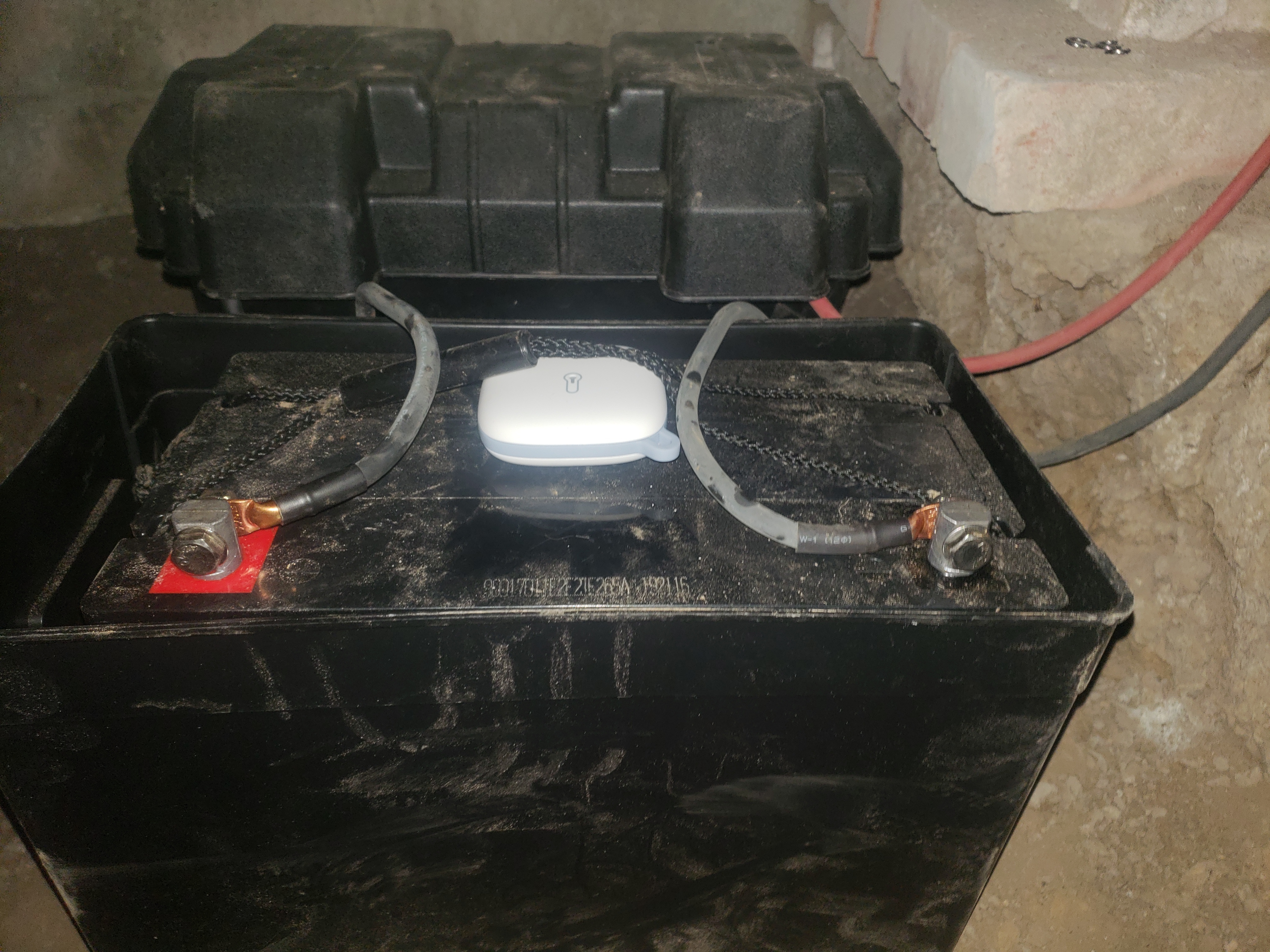
For wire i used 2x 25ft (1 red and 1 black) runs of 6 gauge “EPDM” cable. They feel like some kind of silicone type insulator that is rated as a battery/welding cable. It’s supposed to be good to operate at -58F to 221F operating temp which, it should not see under the house, as the crawl space is somewhat, fairly consistent. It’s all topped off with all copper lugs that i soldered on to the ends and finished with heat shrink. nicely over built!

Cables don’t get warm, i doubt batteries will either. would be cool to have a temp gauge for the batteries.

2 issues now. I’m curious though how well these will charge back up. The guy who made the video i just linked said his charge up well enough. i would have no idea if i’m stressing the UPS charger/trickle charger. do bigger batteries suck more milli amps on the trickle? i’m guessing not a big issue since they little trickle charge for marine and auto.

the other issue, no monitoring, at least for now. i just test it an 1h 45, after work, the APC Power Chute software tried to shut my server down 2 or 3 times i but, watched and stopped it. it was scary watching it drop to 7%, the 5% then 2% …and then back up to 5% and then 11% which was funny. i figured it’s brain would scramble on run time but, that also means the battery level is completely wrong. i suppose a simple volt meter would answer that. So far @ 9:15pm as plugging the UPS in @ 6:20pm it’s got back up to 32% charger when i checked a few minutes ago. i get the feeling i could have let it run for even longer. i red some article some where on upgrading UPS batteries, it said to be conservative but, i don’t writer ever considered a 10x battery capacity upgrade!

BTW, speaking of which original run time estimates was 39m to 45m and the entire home lab and the PoE devices on the switch pull 128watt to 150watt in practice so we’ll just say almost 200watt at full load. Of course the UPS being 1500va can handle way more than that.

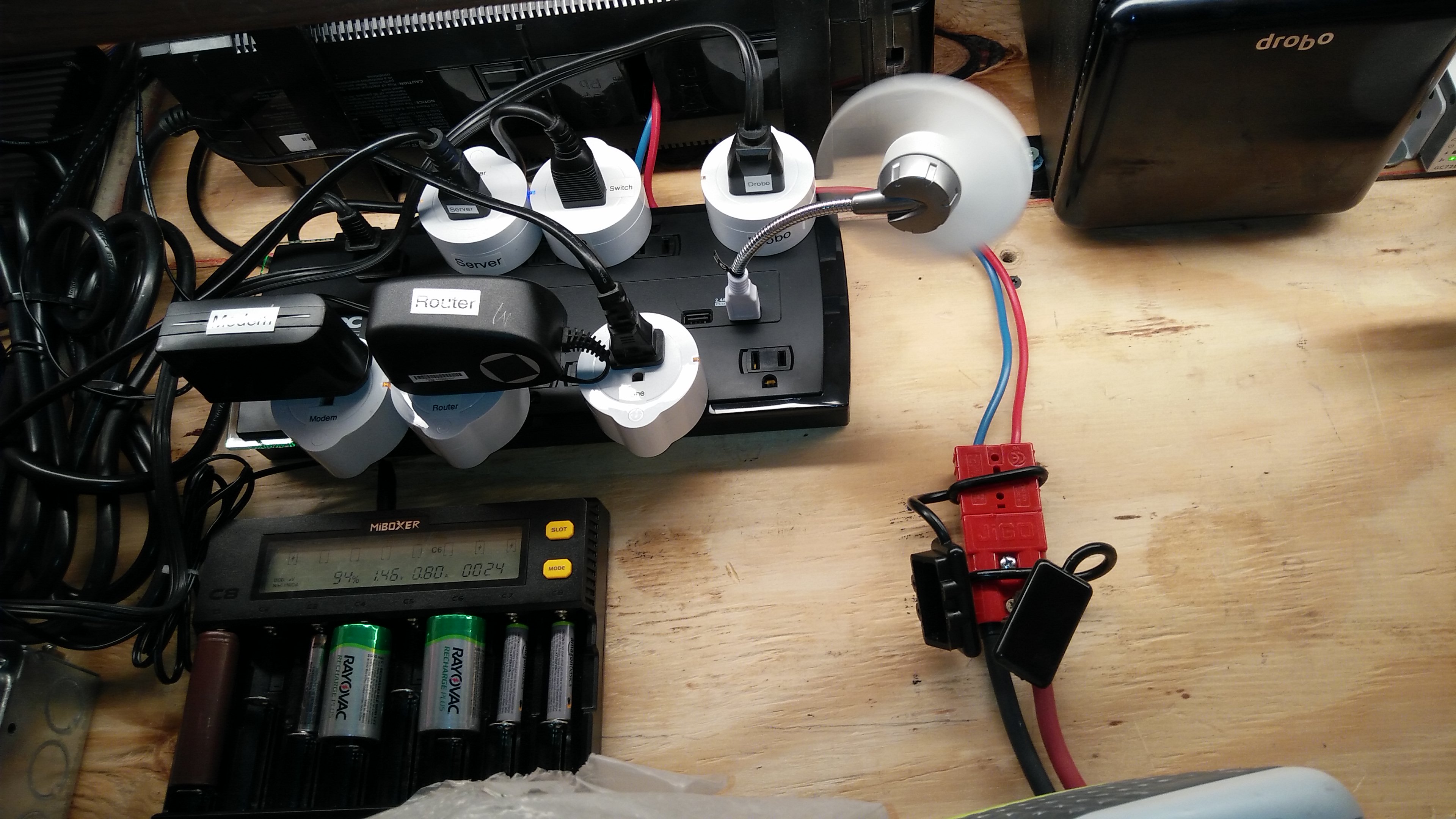
Should really extend run time in nasty storms and outages. this year we had loooong outage and power TRIED to come back but, the grid only had 2 of the 3 phases functioning!!! :hushed: lucky i didn’t loose any electronics!!! Also double as charging station, the APC strip i put below the UPS even has some USB ports as you can see.

P.S. the UPS is waaaaaayy lighter now, i might need some of that 30lbs gorilla tape to stick down it’s bracket mount that’s top heavy and cables coming out the bottom. thankfully the closet is small it can’t really falldown. Also Hydrogen gas. I know that Sealed Lead Acid batteries de-gas, i’ve seen 10 year old SLAs decompose in still plugged in UPSs (kept in hot rooms and never replaced). since cool hopefully this isn’t as issue, i tried searching Hydrogen gas alarms but, it’s definitely not a home product that i could find.
3 Likes

1 year later, no issues.

well 1 flaw, the power lines/poles went berzerker one time and clicked on off and rappidly and UPS switched back to mains power from battery. i went in power chute and upped the sensitivity but, there is no setting for “switchback after x or y minutes of mains power”

I added some new hardware, a $31 Wifi Hygrometer!

Cons are the quickest updates it can do is 10 minutes. i have it set on 30 for battery life.

in theory you could have 1 each battery. i’ll see how batter life is on the Hygrometer. you could also do a Pi Zero w/ 2 temp probes! i think that will be the end goal especially with wired power for the Pi.

Battery life hasn’t truly been pushed except for the one time when it clicked off as mentioned above the power was out for a long time.

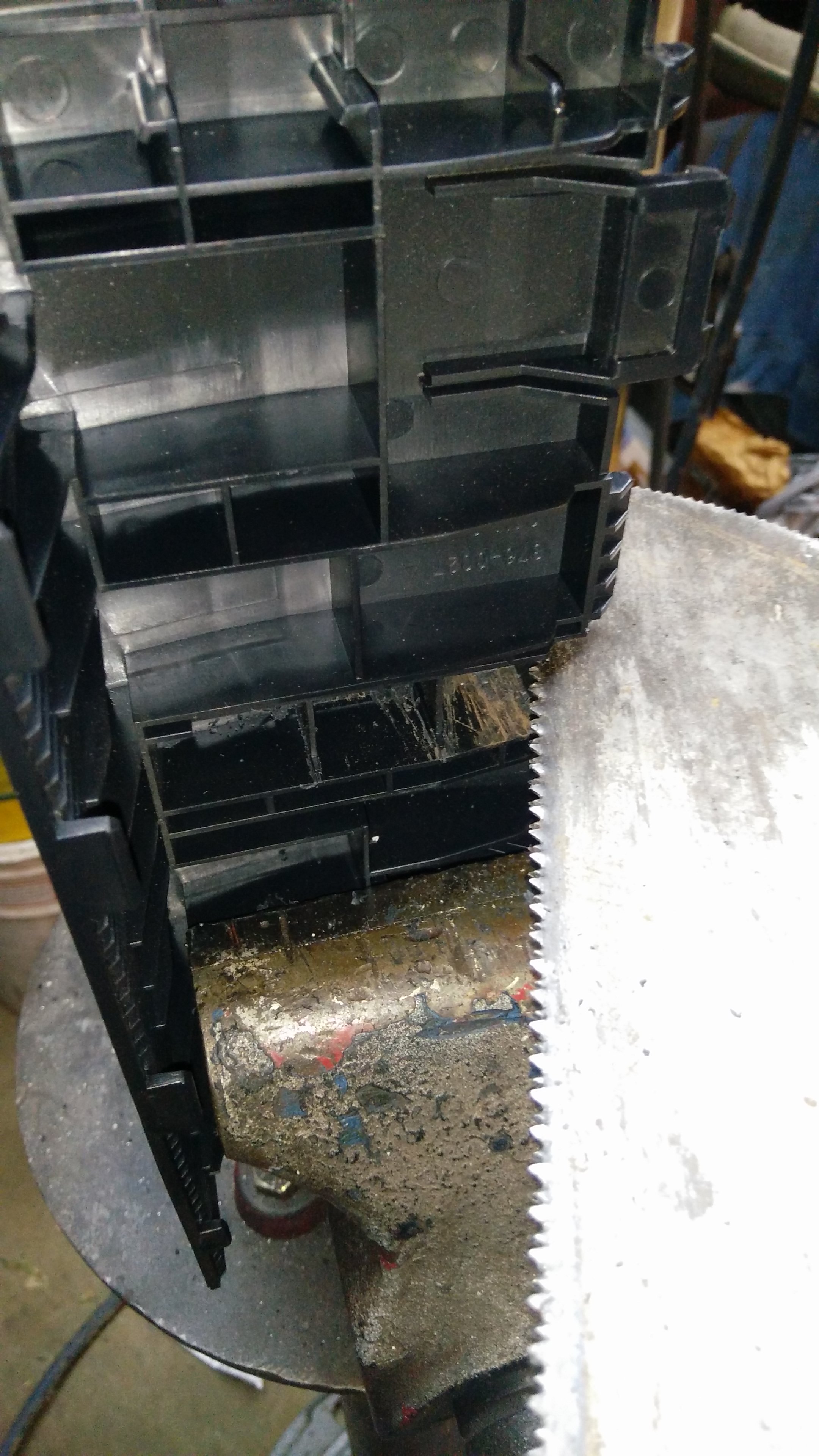
Another flaw is the UPS being so high up on the wall, it needs a power button relocation, which is easy as it’s just 2 wires/solder pads. plan to add power button much lower on the UPS unit’s side.

EDIT 2023: still running good, need to swap the batteries in the hygrometer and the batteries have a 50 amp fuse. the 2 feet of 10 or is it 8 gauge? is probably pushing it but UPS would likely shut off first. any more i crimp and solder spade connectors to the 6 gauge. the totally load applied to the 1500va UPS is about 350ish watts or less of the 850 available watts. the 50amp fuse is more for if something happens or some dummy runs a deck screw through the floor plate where the cables pass through. i’ll probably make a bigger adapter form the Anderson connector to the inside of the UPS.

EDIT 2023: went Lifepo4! that is 150ah amp hours of metal cased Lifepo4 right there replacing 100ah of lead acid. Fun fact Lifepo4 tends to get double the run time at the SAME ah rating, never mind when it’s a third bigger.

9 Likes

still chugging along. keeps things up during outages. Lifepo4 seems to sit around 27 volts. have not checked individual cell voltages. also the lead acids went to a friend to run a Chinese diesel heater.

2 Likes

Charging circuit is in no way limited by the capacity of the attached battery. The battery will charge at the rate requested by the charger. Higher capacity batteries will, of course, take long to reach full capacity following a significant discharge.

Not twice the battery power, twice the battery capacity. Capacity and power are not the same thing. The battery will supply whatever power the load demands, limited perhaps by the UPS which may contained an overload circuit protection.

Battery performance increases with temperature. Sure, the battery can get too hot but I assume we’re talking lead-acid here. This is why batteries in automotive applications typically comes with two rating: CA (Cranking Amps) and CCA (Cold Cranking Amps). Amperage output will be lower at colder temperatures because most materials (like copper, aluminum, etc.) will increase resistance as temperature decreases.

Although battery performance increases with temperature, battery life can be severely impacted by time over temperature. Higher temperature can lead to early degradation and loss of capacity.

TL;DR: Colder temperatures decrease battery performance; higher temperatures increase battery performance but can increase degradation rate. No free lunch. “Mild” temperatures are best all-around.

Go for a sealed lead-acid battery so you don’t have to worry about outgassing.

A whole-home auto-start generator will likely not be fast enough on startup due to loss of power and automatic transfer to keep a system up.

We have no idea what your typical runtimes woud be as we know nothing about your loads.

Nearly perfect resistive loads with UPS and PSU with active power factor correction (Active PFC) of 1 will not have an in-rush current. Just about every quality PSU these days make use of PFC. Batteries themselves do not create in-rush currents. You’re thinking reciprocating motor generators. Power supplied will be power demanded, that is until the battery reaches full discharge, at which point power supplied is zero.

1 Like

Delta disagrees with you.

1 Like

Clearly not a nearly perfect resistive load as input capacitance is reactive. Regardless, I will concede the point.

EDIT:

To be fair, these are all true statments:

  1. Nearly perfect resistive loads with UPS and PSU with active power factor correction (Active PFC) of 1 will not have an in-rush current.

  2. Just about every quality PSU these days make use of PFC.

  3. Batteries themselves do not create in-rush currents.

:wink:

1 Like

i can’t believe i said twice the power. how dumb and misinformative. thank you for pointing that out!

Temp monitors show a steady 50f-60f, it can dip on really cold winters but, i don’t think much lower than 48F / 8.8C if that low even.

I have seen Sealed Lead Acids out gas, but, in warm and hot environments which mine is not. The big 100AH Sealed Lead Acids were still kicking when i took them out and traded them off. so there is something to be said for them!

indeed one would still need an UPS on devices or a whole home UPS. i would mind an old military genny but, anymore the EG4 18K PV is looking pretty bad ass with a rack of severrack Lifepo4 batteries.

EDIT: also i think one time, i can’t tell if it was still SLA or the new Lifepo4 but, i think it ran for around 4-6 hours once.

Lifepo4 is the way now, higher voltage setup if you can…

Ive been pretty happy running my house on solar using an Ecoflow DPU setup.

1 Like

any thing more i’d have to whip out the data center APC with 48 volts or just EG4 flexboxx ans gridboss and lifepo4 server rack which is the real end game starter kit. for now the cloud energy 24volt Lifepo4 pictured above. should have a decent run time on it.

1 Like