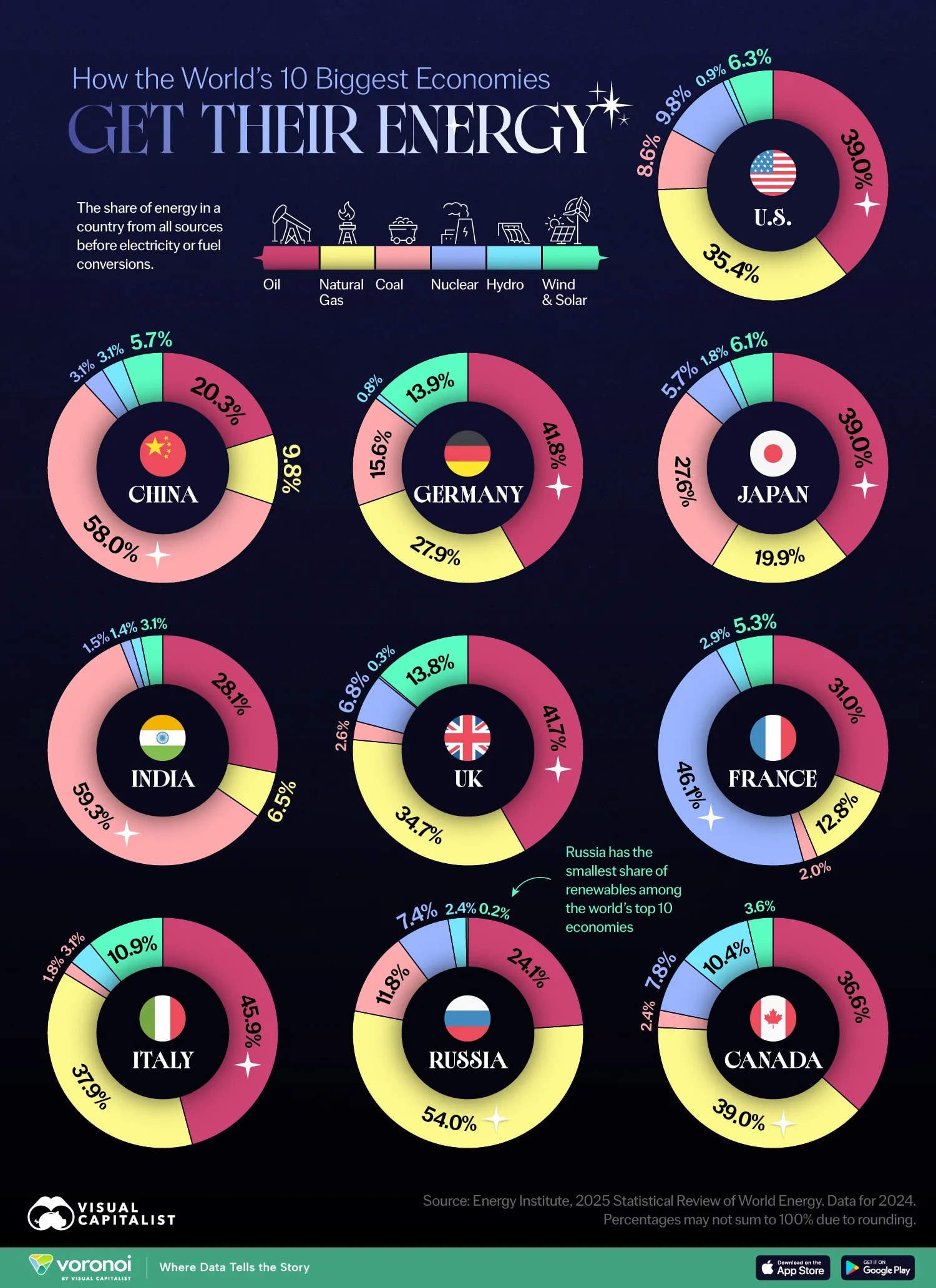
Theoretically yes. But let’s pretend the EU thinks about this then they can easily stockpile this if that’s a goal.
I’m curious, speaking of geopolitics, how much of that renewable infrastructure is manufactured overseas or requires resources (rare earth elements etc) overseas to manufacture? Things like solar panels, rare earth magnets for electric generators in windmills and chemistry and manufacturing of batteries and related components? Are these manufactured majority domestically or if not, doesn’t this constitute risk via transport routes and geopolitical situations?
Usual supply chain dangers can’t really be avoided. It is more of a “when it is running, it will keep running”.
Rare earth imports are indeed a concern. Germany has domestic chemistry plants and battery manufacturing (Not Panasonic/LG/Samsung sized, but South Korea is considered friendly). Power electronics wise we have Infineon, Bosch and Siemens. we used to have a lot of small and medium solar cell manufacturing starting up. It withered away under the “russian gas cheap lol”-government (Merkel).
2 Likes
That’s a fair point and did a little digging and what I could find seems to indicate that renewables has an estimated survive-ability of about 10 years without resupply. Nuclear estimated 1-3 years assuming that fuel is not provided domestically. No contest for Natural Gas or Coal for obvious reasons.
So while renewables aren’t stable year round nor produce enough capacity to meet current needs by itself, I can clearly see how increasing investments makes sense from that point of view, as a 10 year window provides some wiggle room to resolve geopolitical issues, but does not completely resolve the risks and pain points entirely at this stage.
1 Like
Ugly American here. Is Germany still buying oil from Russia?
Ugly German here: We are practically not using Russian oil anymore, the EU as a whole is still importing some, mostly the eastern nations. The overall EU imports have been reduced from about 16 mega tonnes pre-war to 1 mega tonne in 2025.
Source: Infografik: Wie viel Öl importiert die EU aus Russland? | Statista
However, about 8% of German natural gas imports, and 13% of LNG are still from Russia.
Source: Infografik: Wie viel Gas bezieht die EU noch aus Russland? | Statista
1 Like
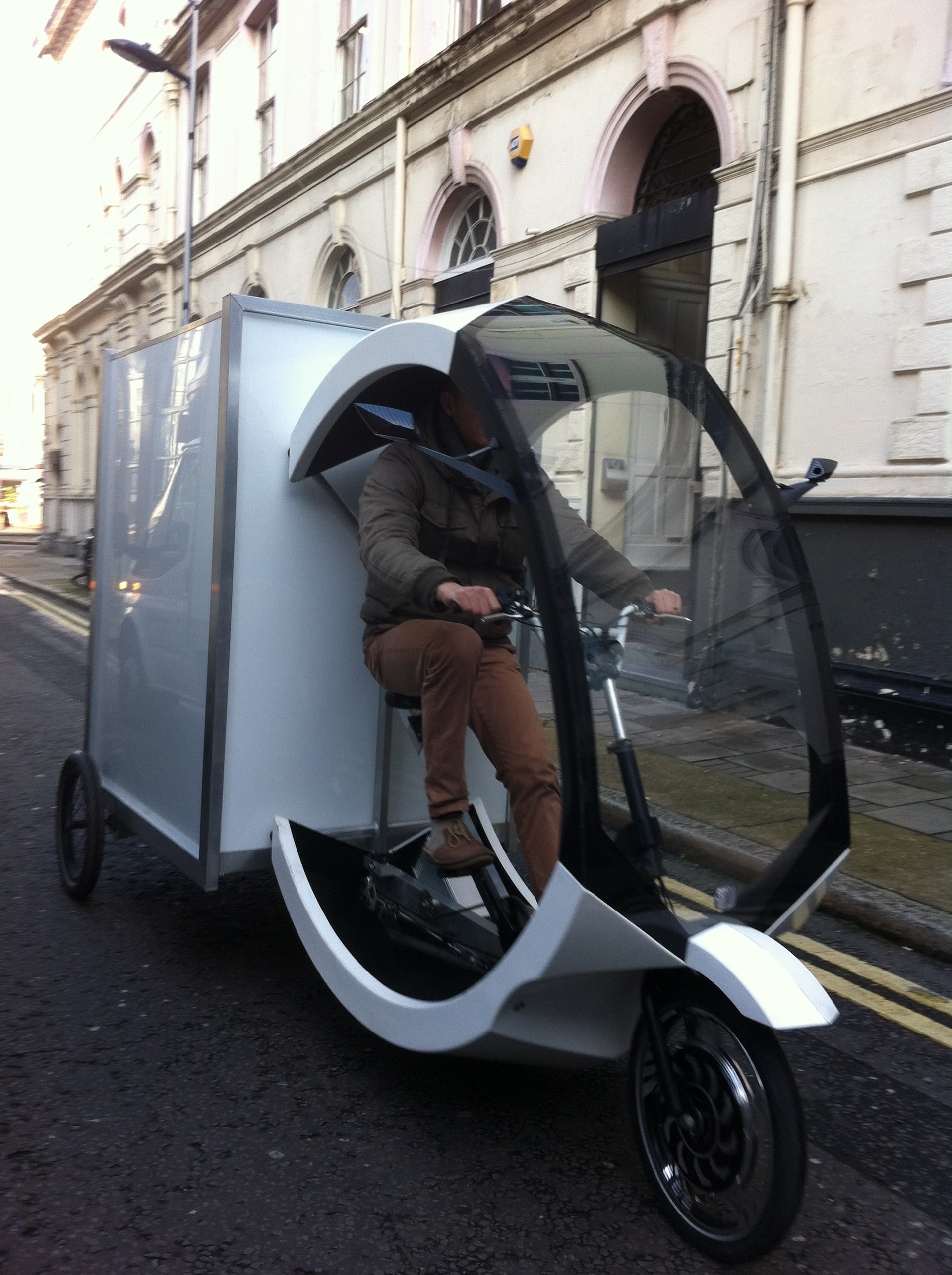
You do not balance your wooden wardrobe on you bicycle basket?
But it is flat packed!
3 Likes


Honestly, maybe it’s the one silver lining of the AI bubble. Maybe our direlect and insufficient power grid will get some much needed TLC.
the phaseout of nuclear was a huge mistake, a huge mistake and we miss this energy", which she said had provided 20 GW of CO2-free power production at affordable prices.
1 Like
Both of our countries also fail to use much nuclear
1 Like
At least he UK didn’t needlessly shut down theirs. Also you are building some spectacularly expensive new ones
We contemplated building some, then failed miserably
Hinkley point c is still under construction.
Only like 2? Reactors nationwide.
I’d like to have seen another 5
I don’t see the current government committing to that kind of policy if I’m being honest
Point c has taken 20? Years.. It’s a shitshow all around.
I poke fun at the Germans a little, but it is mostly from shame at my own governments failings.
Just imagine all the plutonium we could have stockpiled, if we had many reactors buzzing away!
But noo… No tasty tasty refinements for us…
In 1981, the UK government announced plans to expand its nuclear power stations and the group Alliance against Hinkley C was founded
Oh, a couple more I guess…