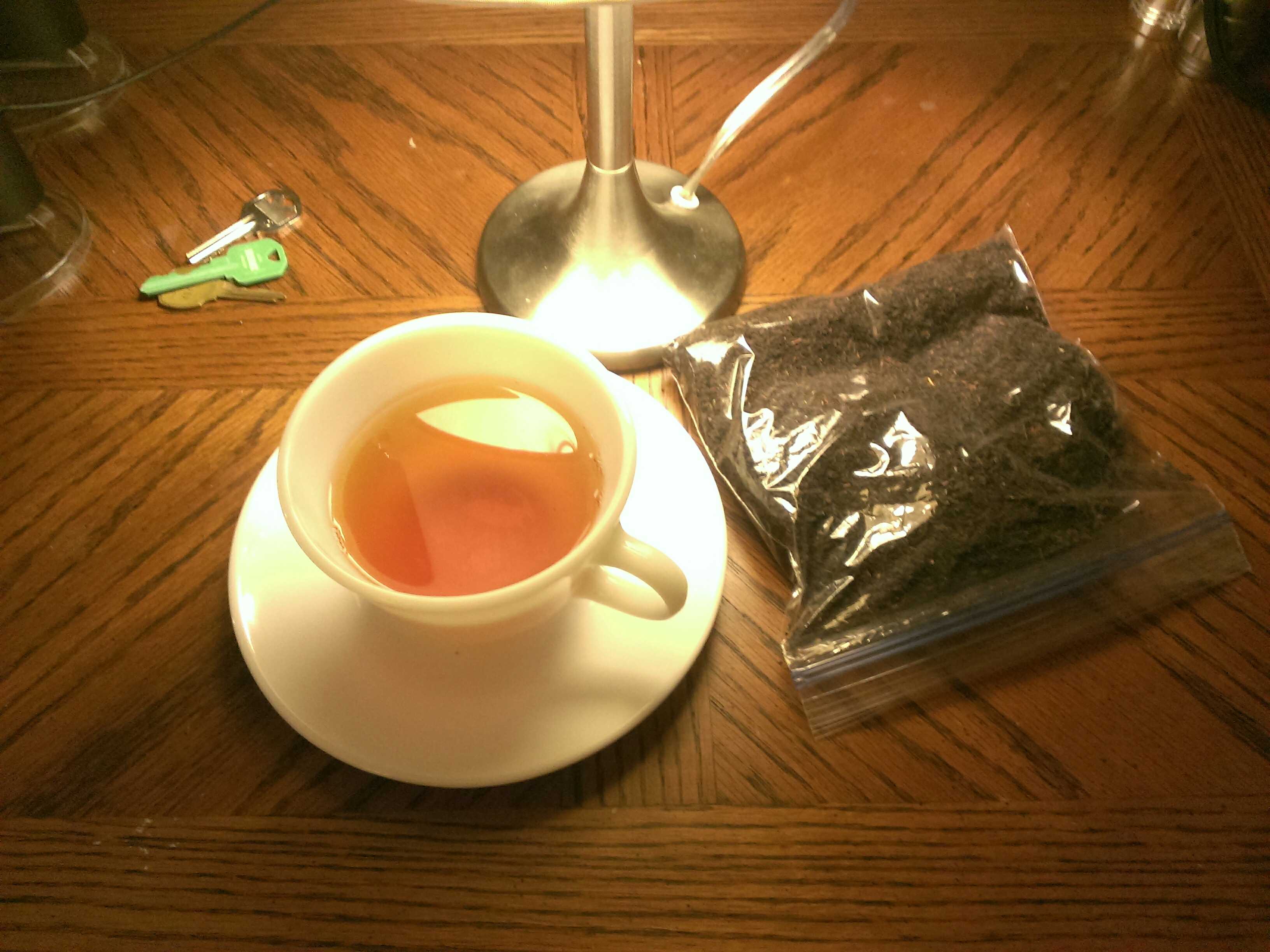
This tea features one of the most generic warm brown liquors that you can find. It's pleasing to the eye, but it has no particularly spectacular qualities. The aroma is much the same. Smoky, earth tones with tannins. It smells kind of like a fired oak barrel. The flavor on the tongue is equally generic. Pleasant but a little flat. There are earth tones and a slightly savory, almost soy like flavor. This tea is best drunk quite sweet and also makes a somewhat satisfactory milk tea.
Preparation: Preparation: my method is somewhat different than usual, so I will instead provide a more generic description. Prepare fresh water and heat to approximately 195 degrees Fahrenheit before pouring a small amount to warm the pot. Empty the pot and put in a heaping teaspoon of leaves for each 8 oz of water and then at least half a teaspoon for the pot. Pour in the water and allow to steep, stirring slowly, for 3.5 to 4.5 minutes. This tea is best when iced and heavily sweetened. To ice, allow the tea to cool after straining and then pour over ice. Pouring hot tea over ice will only pull dissolved solids out of solution and dilute the strength of the tea. Neither of those is good for the flavor. If a short steep is used for the first pot, the tea may be steeped again. When re-steeping, adjust the time by adding another 15 to 30 seconds to the steeping time.
Place of acquisition: I purchased this tea from my local Harris Teeter. It may not be available at all stores. $6 for about 250g.
Cultiva is definitely pretty awesome. They even provide free classes every week on coffee roasting showing people the process and explaining exactly what it does for the flavor of the coffee. They always make time to explain to people how and why you should choose fresh roasted coffee and the benefits of things like grinding the beans yourself. Good place for sure.
The Chai that I posted about by The Boston Tea Company is really quite similar, if a little less robust. I like them for similar reasons, the spiciness is more prominent than the flavor of the tea. Sometimes I want to forget that something that is tea actually contains tea. Chai allows me to do this by giving me a face full of cinnamon and cardamum and clove and anise and ginger and pepper.
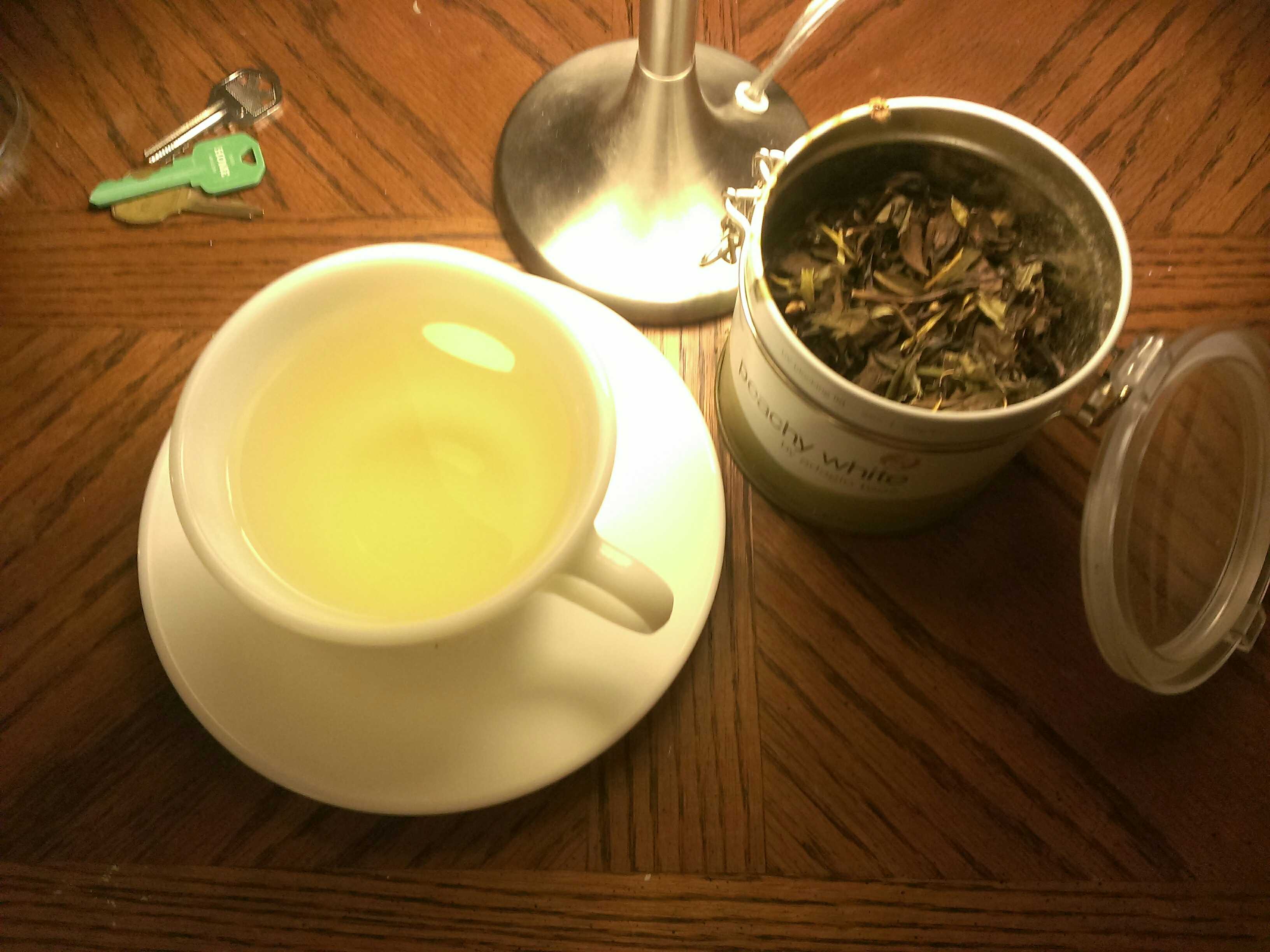
This pale tea has a light aroma and flavor with peach blossom notes as well as a very faint peach flavor and a natural sweetness to match it. The flavor on the tongue is equally light and faintly sweet with flavors like peach wood. It doesn't strictly taste like peaches, but it reminds you of it. This is a very simple and straight forward tea. It smells sweet and tastes sweet with little complexity.
Preparation: Preparation: my method is somewhat different than usual, so I will instead provide a more generic description. Prepare fresh water and heat to approximately 175 degrees Fahrenheit before pouring a small amount to warm the pot. Empty the pot and put in a heaping teaspoon of leaves for each 8 oz of water and then at least half a teaspoon for the pot. Pour in the water and allow to steep, stirring slowly, for 2.5 to 3 minutes. This tea is best when hot and becomes more bitter and scorched when overheated so be very careful about the temperature of the water. If a short steep is used for the first pot, the tea may be steeped again. When re-steeping, adjust the time by adding another 15 to 30 seconds to the steeping time.
Place of acquisition: I purchased this tea at my local The Fresh Market store for $6 on sale. This product usually goes for about $7.5 for 4oz pr 112g.
Sorry about the picture. Putting black tea in a black cup doesn't make sense. On the Kona I will make that on the weekend. When, I can truly enjoyed it. Most of our family's tea and coffee are bought at Spec a local fine food and beverage store in Texas. The Kona was acquired in Hawaii by a Co Worker. I used to live in the Marianas Island for a couple of years and that was only style of coffee.
No. Quality teas will tell you what origin the teas come from. Assam comes from the Assam region of India. Ceylon is Sri Lanka and Keemun is from the Qimen region of China. There are a few that are generic in origin, where the region is less specific, but you should be able to tell at least what country it comes from. Teas, like coffee, hold regional flavors. Unlike coffee, tea is more widely grown and countries like China and India have many regions that produce similar flavors of tea.
Firstly, celestial seasonings are not real tea. Secondly, without the original sources, I don't trust it. You can so easily make statistics lean to whatever aim you'd like.
Let's just use common sense. These are countries with lax sanitation standards epically in rural areas of farming. Being transported most likely in diesel trucks that theirs up dust and what have you. You think they cover that stuff up? No way that cost money. Washing those leaves? Nope. To expensive. Most likely moved to urban factories where pollution is even worse to be bagged in good knows what to spent sitting four months in a ship getting to your country. Enjoy your poison brew.
In response to that, how poisonous do you suspect your coffee is? Most coffee is grown in countries throughout South America and Africa, most of which also have lax standards for pollution control. Bottles of water? Well, those contain the same potential toxins and many are stored and transported in vehicles that lack climate control, so they might have already begun the degradation process. Do you drink water from a well, or any of those artisan waters that come from natural aquifers? Those may be contaminated by the leeching of pollution into the ground water. Just about everything that you would commonly eat or drink in the US are trying to kill you. I just prefer high quality tea, because those growers are typically related to some of the richest and most powerful houses in China or India, as the prestige of having such quality provides for status and money. The only reason for pesticide use is to lower the overall cost of the product. Tea intended for high quality preparation are subsequently going to be more expensive and will more likely be treated with more traditional methods to protect the leaves.
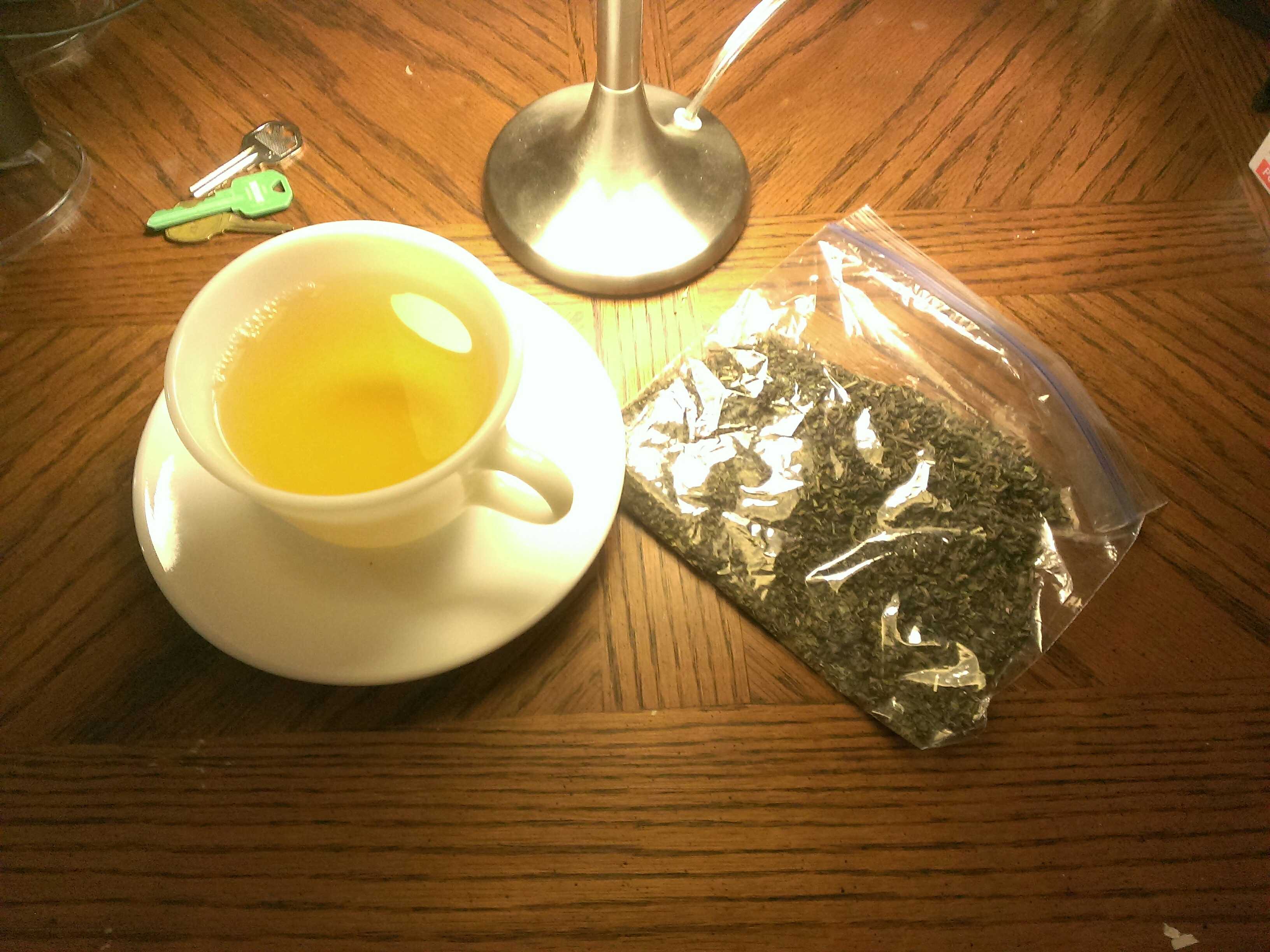
This tea features all of the wonderful flavors of gunpowder green tea and melds it with very aromatic spearmint. Here it adds another layer of smokiness and a light menthol flavor. On the tongue this tea has a mellow flavor with plenty of smokiness and faint mint flavor. The mouth feel is cooling with the same thick, honey-like consistency.
About this variety of tea: rolled teas are prepared by picking, steaming or frying then partially drying and rolling the tea leaves. Most leaves are now rolled by machine, although some high-quality leaves are still prepared by hand. This labor intensive process typically raises the price dramatically, yet may not be an indicator of better flavor. These rolled teas should be tightly wound into even pellets and have a sheen to them. Rolled teas stay fresh longer than others because less surface area is exposed on the leaf.
Preparation: my method is somewhat different than usual, so I will instead provide a more generic description. Prepare fresh water and heat to approximately 180 degrees Fahrenheit before pouring a small amount to warm the pot. Empty the pot and put in a heaping teaspoon of leaves for each 8 oz of water and then at least half a teaspoon for the pot. Pour in the water and allow to steep, stirring slowly, for 1.5 to 3.5 minutes. This tea is best when hot, it resists astringency rather well, so there is less of a need to be very cautious about the water temperature and the steep time. Due to the nature of rolled teas, the tea may be steeped again after the first batch has been served. When re-steeping, adjust the time by adding another 15 to 30 seconds to the steeping time.
Place of acquisition: I purchased this product at my local Teavana store for about $12 dollars for 2oz of tea.
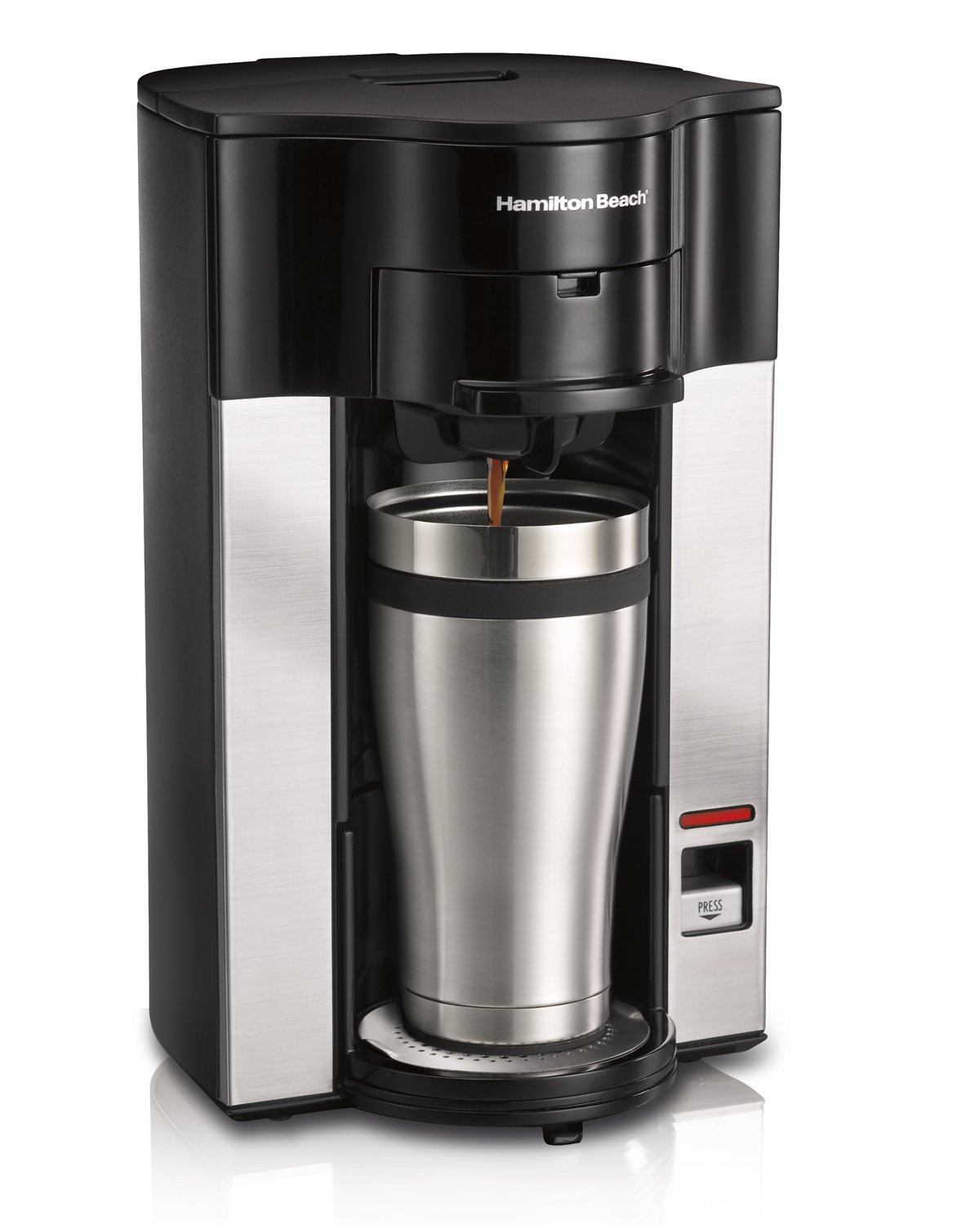
This is the newer and much less expensive alternative to the pod brewing system that I use. Any custom teabag will work, although I use some from a brand called Rishi. The standard measurements for tea leaves still work fairly well with these pod makers, although you may find that some teas, especially large leaf teas, may not make a particularly strong first steep and should be run again.
It might seem like the recommendation to switch to loose leaf tea and then to stuff it into a tea bag and then into a pod maker is a bit redundant, but it isn't. The fact of tea is that size matters. The degree of whole-ness of the leaf is of great importance to the quality and complexity of the tea's aroma and flavor. The only reason, let me emphasize the only, that I recommend using a pod maker is because of how it goes about steeping things. The basic premise of tea is to gain a satisfactory extraction of the flavenoids and phytochemicals and the desirable tannins and the volatile oils of the tea leaf, and other additives such as herbs and spices. Coffee functions in a very similar manner. A pod maker functions by introducing water at a fairly significant rate, into a vessel whose flow rate is restricted both by the size of output and also by the placement of multiple layers of filter. This restricted flow rate forces the water to pool around and flow around whatever is within this vessel. This action is highly desirable and allows for sufficient extraction of most teas without over-extraction. Unfortunately, I've not found the ideal pod maker that allows me to adjust the temperature and flow rate of the water, but the standard model still works far more reliably to make my daily cup of tea.