Off-topic replies.
We probably agree ““free”” should be in quotes, but for different reasons. I didn’t know a country so heavily regulated like the US is a free market.
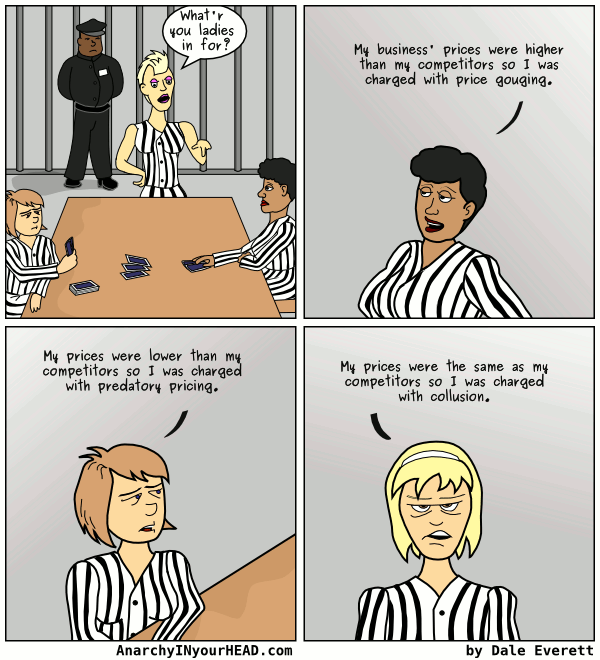
Oh, so now South Africa, a heavily regulated and somewhat oppressed place, with people still infighting based on racial identity is the pinnacle of anarcho-capitalism? Got it. If SA was such a free market economy, Facebook and Google wouldn’t have their on-paper HQ in Ireland, but in SA. And no, Ireland isn’t a free market, it just has low taxes.
Just so everyone knows, China will not maintain its title of the “world’s manufacturing center,” because slowly the quality of living and the paychecks started moving up (which is a good thing for the people of China). The cycle is going to repeat itself though for a while, India is posed to become the next to own that title. After India, probably a country in South America, maybe Brazil or Argentina, after some companies start some heavily lobbying the government for lower taxes and less regulation, after which production will be moved over.
Texas tried to avoid federal regulations and ended up enforcing their own grid insanity. Funnily enough, the state law encourages people to live off-grid, but local zoning laws do the opposite, forcing people to connect to the grid. And when you’re forced into something, you’re basically ensuring that no matter what, someone will be getting paid. That’s not how markets work.
Letting that aside, as that was not my point, the reason I brought up the situation there, no matter the root cause, was for pointing out that people who had gas generators and other amenities came together and helped others. Other charities, like churches and co-ops opened their doors for people to come and in, stay warm and have something to eat.
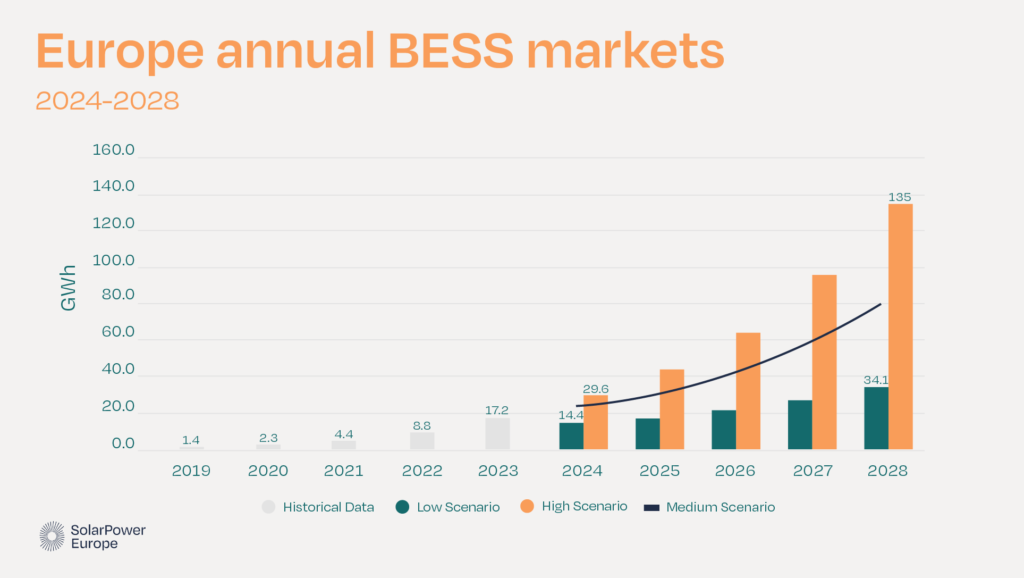
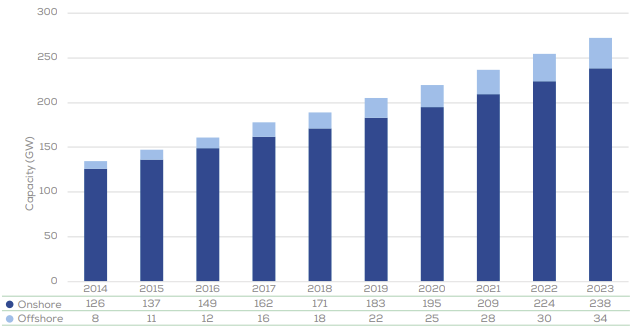
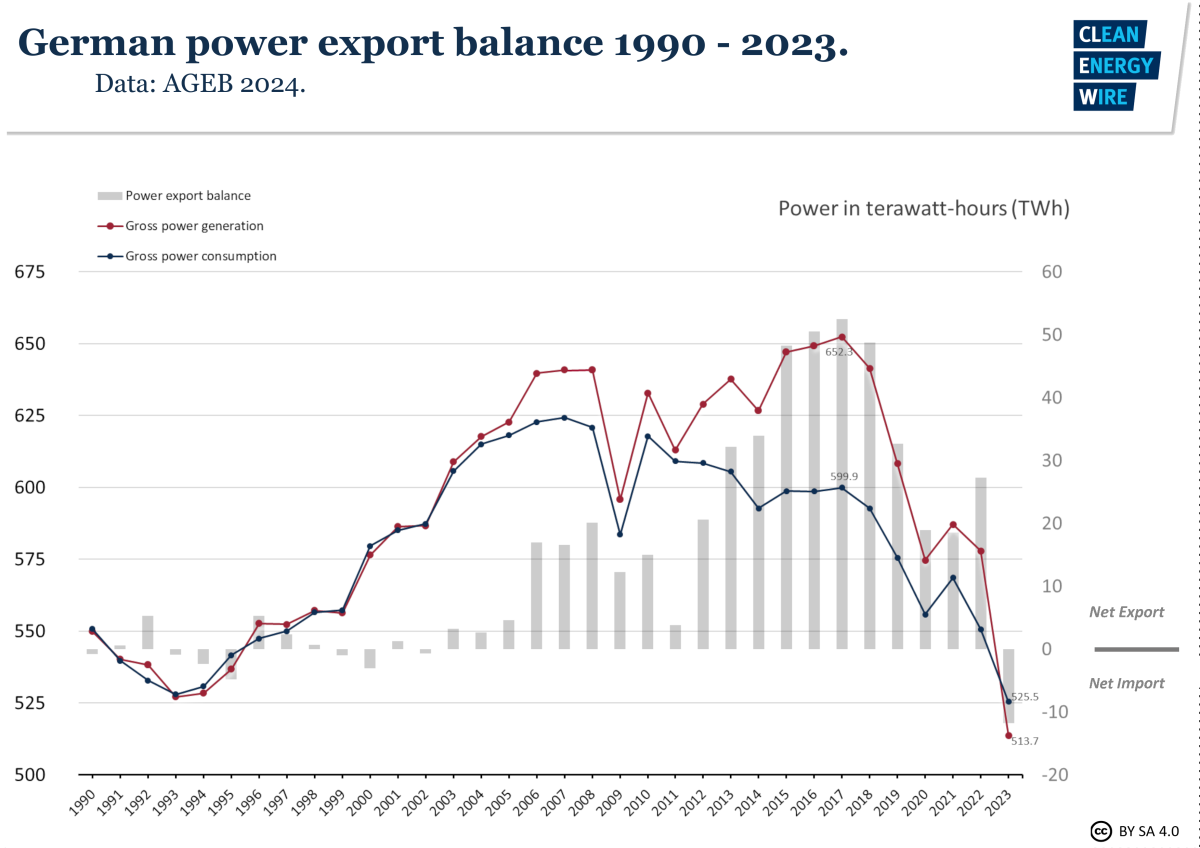
One thing I miss from Europe (I lived a lot of my life in Eastern Europe) is the less reliance on electricity. There’s a lot more gas stoves, gas water heaters and at the countryside, wood heaters. The US and a lot of Western Europe is so dependent on electricity (electric water heaters, central AC, electric stoves etc.). These are really inefficient. Why in the world would you burn gas to produce electricity, have a lot of wasted heat, then use electricity to produce heat. It makes way more sense to use the gas to make heat directly.
^This.
It’s insane how we’re forced to separate recyclable trash in a separate bin, only to have both bins picked up by the same truck. Getting your trash to an actual disposal facility might be a better thing to do for the planet (besides, there’s some good things to find there, people throw away bricks and surplus construction materials that you can use for projects around your house - actual recycling).
Debt can only be paid if you have a sane spending policy, which neither the EU nor the US has. Funnily enough, Argentina got its first balanced budget in a long time, had a budget surplus from taxes and got the approval of the IMF (Argentina is the biggest borrower from the IMF). I don’t see the EU or US pay off their debts any time soon.
I agree. Being independent means being freer and allows you to live a better life. People are focusing too much on earning more money and become dependent on things outside of their control. Some people are smart enough to reverse that - don’t try to earn a lot of money, because that’s not a good security. Instead, try to live a life spending as little as possible and be sufficient enough that crisis won’t affect you.
You have no control over when either a greedy multi-billion $ corporation or some government agency or council suddenly decide to raise your prices on say electricity (since we’re on the topic of solar panels). Having some amount of control over the energy production allows you to act like nothing happened. Electric prices went up? Don’t really care, as I barely use any grid electricity. There’s a water shortage? I have enough potable water reserves to last a while, I’ll just have to shower a bit less often, until the situation improves. Gas stoves are now illegal? Don’t care, I cook with induction stoves and a solar oven. All the carpenters charge you an arm and a leg for a very piss-poor job? I have the tools and enough knowledge to do about 80% as good of a job for way less money and a bit more time spent on my side.
I agree with you. People get scammed by sales-people (as if that’s news). People should go solar where it makes sense, but people need to do their own calculations and size their systems appropriately. These sales people’s interest is to sell you as much capacity as they can get away with and charge you a lot of installation services. Very few people are likely to recover from that.
I’m a big fan of DIY, because one doesn’t need to be an electrician to do it (although it’s a good idea to call one to check out the installation before one powers it on). That saves money on sizing and offers the option to go small at the beginning and if demand it higher, it’s a very easy process to upgrade (when you install a system, you should leave some space for upgrading in the future, it’s not that much more expensive to add thick bus-bars and leaving a few spots empty).
I agree space might be a problem (but then there’s “hippies” like Kris De Decker who installed solar panels in an apartment he rents, so there’s some options for space savings and sustainable options - which lead to a lot of savings and independence).
I don’t agree with complicated installation and maintenance, but I’m not sure where you’re coming from. People like Will Prowse show you how to do stuff yourself (for free on youtube, or you can buy his book). Solar installations can be very minimal and very maintainable. If you plan ahead, even upgradable.
It’s more about battery replacement. It doesn’t matter that they barely use any, they still use some (way more electricity than a microcontroller would). And using ice as a “store of energy” makes sense. Water is available anywhere. In certain cases, sun might not always be available for prolonged periods (like Iceland or Greenland). Heck, I had a friend in Germany who stored his food outside on his window sill during winter (the whole neighborhood was doing the same). He probably didn’t need to do that, but it was more of an exercise (and since it was more of a local cultural thing, why not).
Actually, have you heard of the “Solar Protocol?” It’s a decentralized server software that serves websites from the places that have the most solar input, to save on the battery of the servers that are running at night.