Yeah… I don’t know that my service has ever been more than 10 cents/kWh.
Edit: Actually, summer months, which have the highest load for grid operators in my region, seems to exceed 10 cents/kWh. I don’t have enough data to make a generalization; but in July it was about 11.4 cents/kWh.
P.S. The secret to these low prices are because of a federally-owned utility operator that isn’t out to return value to its shareholders and one of the largest nuclear power plants in North America just 27 miles from my location. It’s the largest BWR plant if I am not mistaken.
OT, but kinda not as it is sun related. How a 150 square mile area in Spain is supplying ~375 million people with veggies, this is a good auxilliary report if you, like me, are interested in where the world is headed:
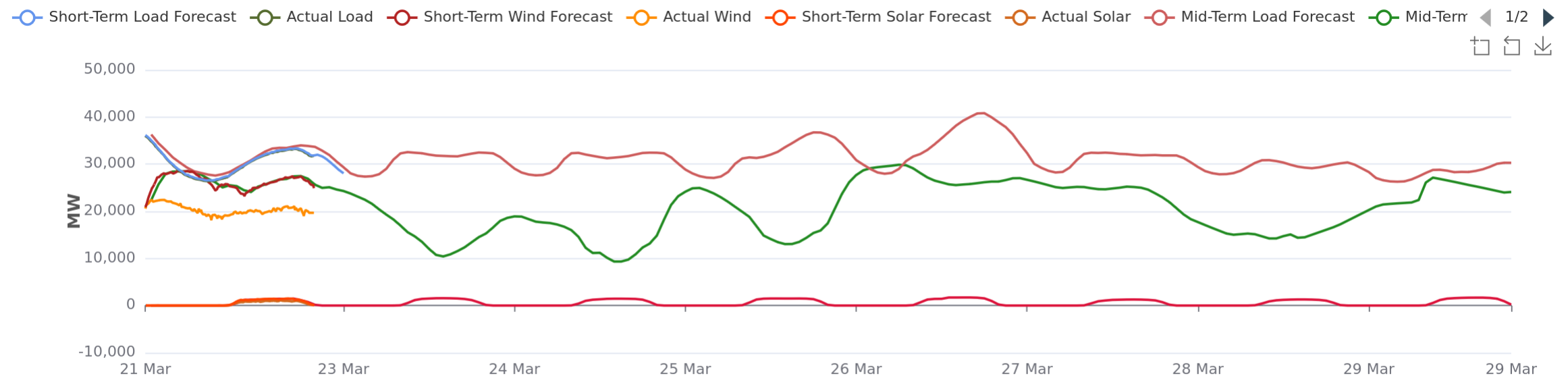
One of the things I also hate about the '“they don’t work when the sun is not out or when the wind is not blowing” is it misses the fact that Wind and Solar tend to work at opposite times and complement each other. Can see the green line which is wind dips when the solar will be peaking in most cases.
Ukraine is now proving it makes sense to build SWB from a military perspective. The main point is due to the decentralized nature of SWB grids, it is much, much harder for an attacker to simply bomb the energy infrastructure to oblivion. And the more Russia destroys the old, the more SWB is being built.
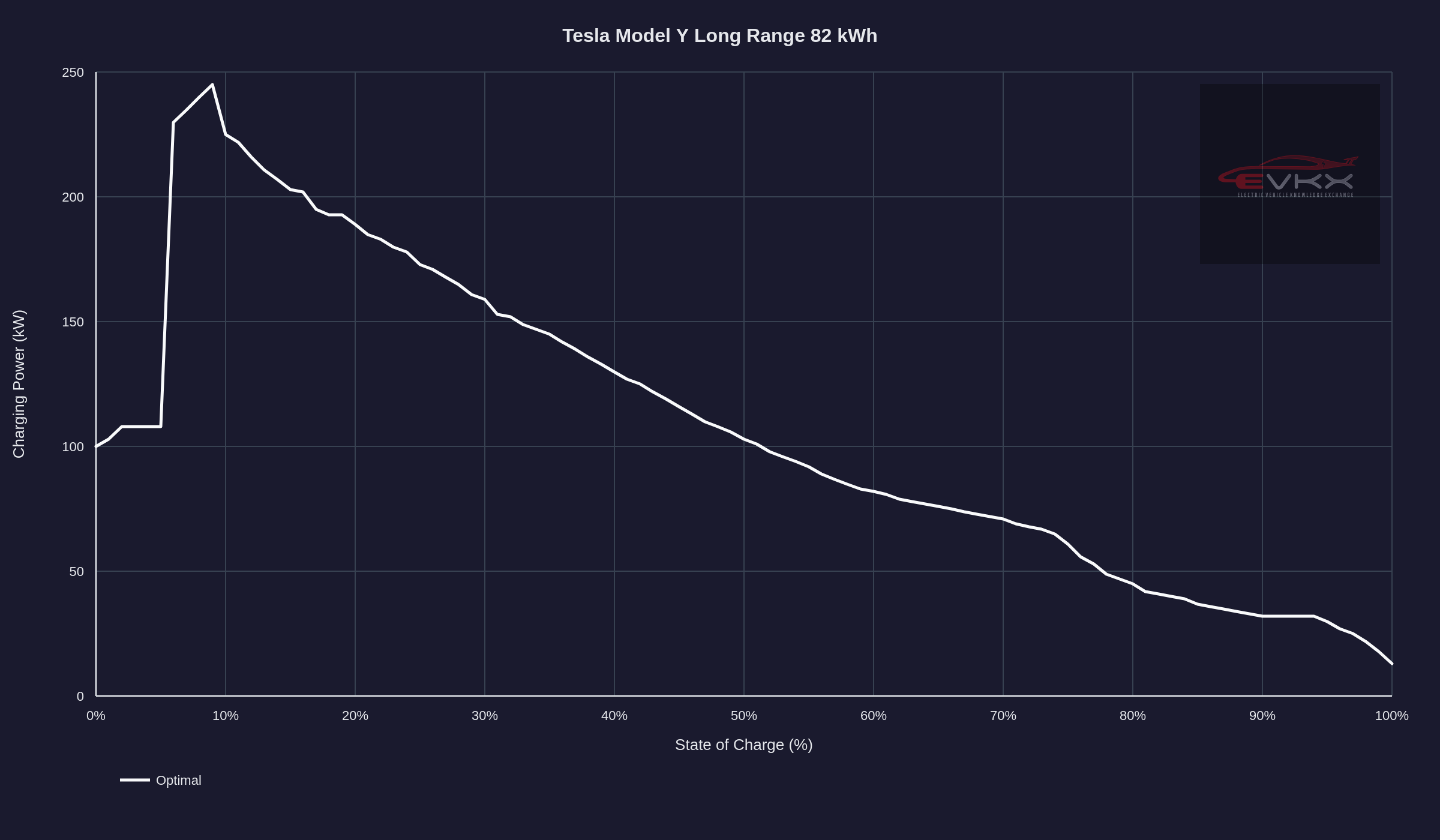
I’m a bit skeptical of 1.5MW charging, not because it’s not possible, but simply from a battery longevity and safety concern. The 2-3c charge rate that most EVs run at don’t impact longevity, but when you get up to a 10c rate, that must be quite the chemistry if it can avoid degradation. Maybe the last hurrah of lithium?
EDIT: 1.5MW with the larger pack (82.7kWh) is ~18c. That’s WILD.
Same. I prefer slow charging at home. Eventually, though, I think they’ll sort out any degradation issues. I don’t want to be a guinea pig for that process, however.
7 minute charging is overrated, anyhow… Many long term EV:ers are now complaining they don’t have time to take a proper dump between recharges anymore.
When it was 20 min, they had a good excuse to order food, go to the toilet, have a quick cup of coffee, stretch the legs and then get into the vehicle again. Now? It’s back to 'dem diapers (alternatively, a used 2L coke bottle) I guess.
Also… It’s more important how many miles you get during a charge, than whether you charge 0%-100% or 20%-80%. If you can get 200 miles / 300 km while charging only 40% of the battery, that is good enough. For that, 300-500 kW chargers could be enough.
And as always, home charging overnight is the best option if you can comfortably do that.
I’m aware of the importance of that. If we can double the energy density, we can really solve the shortcomings of road-tripping. I don’t know of anyone who would go more than 350 miles without stopping. I used to do San Diego to Phoenix regularly (~600mi), and I’d have to stop for gas once, about half way, but would stop every 150 miles or so anyways to take a leak. I currently can’t quite get 150 miles out of my tesla doing 5ish% to 65%, so if I’m road-trippin, I’m doing 110 miles, otherwise the integral is just not worth it.
Honestly though, I really think that’s just part of Tesla’s super-conservative charge curve configuration. This is really the issue with Tesla charging. I mean, come on, we can sustain that 240kW from 8-20%, and drop off from there. This curve is such a joke…
I would argue that charging curves and time to % are the wrong metrics. What you really care about is “how long does it take to add 200 or 300 miles of range?”
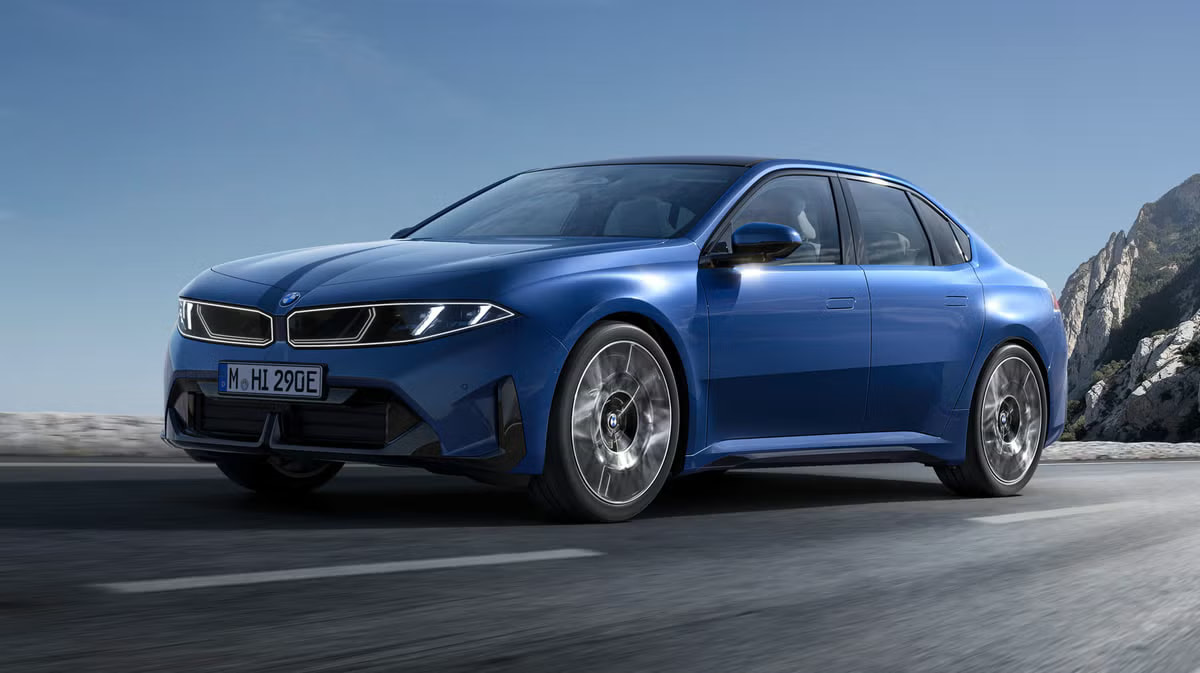
By that metric the new i3, the Gravity, and the PPE (Porsche and Audi) vehicles look really good. With those cars road trips are just not an issue anymore.
We don’t need super fast charging for most people, if i hit good chargers i am not taking much extra time over a gas car, especially if i am going in and getting a snack from the gas station.
What we need is to be getting outlets to parking lots especially at apartments and have vehicles eat up some of the excess solar and wind production.
No what we need wireless charging when u park the car at home… But that doesn’t let to car power the home incase of a black out etc… its just not having to plug it in all the time.
But if everyone I mean everyone cars had batteries and needed to be charged… we buggered regardless,
Right now there is about a 5000MW difference in load between day and night here during the spring in the SPP . There is about 18 million people in the SPP, lets assume everyone charges 6 hours per night like I do. I get 1kW of charging speed and can get about 5 miles per kWh now when the weather is nice. so that is 6kWh per person and all 18 million drive, and this would cover most peoples commutes. We end up needing about 100 GWh, over the 30 GWh we have just from the dip at night. Though in spring compared to summer the grid is pulling like half the day time loads of summer. We have 23GW extra capacity over the night which over 6 hours is 180GWh, that is capacity the grid is already built for.
So ya if you magically turned 100% of current vehicles into EVs, we would still be below the load during the day with AC. Like I am not going to claim there wouldn’t probably be some issues accommodating that, though in that situation we probably wouldn’t only do 6 hour charges at night and spread it out. Not everyone is 18 and not everyone drives so that number is lower I just assumed everyone has a car and drives a fairly typical commute.
Just the batteries needed but however and the material. AI is making us create power …I could game it out with AI but you know halusinations
So AI for the lols.
Is a full EV future actually possible and affordable?
Yes — but only with a gradual transition.
From a technical standpoint, it’s achievable. Battery production, recycling, and power generation can scale over time, and EVs are far more energy-efficient than petrol cars. The real constraint isn’t raw feasibility, it’s how quickly infrastructure and supply chains can expand.
Economically, EVs flip the cost model. Petrol cars are cheaper upfront but require constant fuel spending. EVs cost more initially, but are significantly cheaper to run and maintain. Over the vehicle’s lifetime, they are already competitive or cheaper in many cases.
The biggest challenges are practical, not technical:
Upfront purchase cost
Charging access for apartments and renters
Expanding public and regional charging networks
With a 15–25 year transition, a growing second-hand EV market, and proper infrastructure rollout, most people could afford to run EVs. Without that, affordability gaps could emerge.
Bottom line:
A fully electric car fleet is realistic and can be cheaper overall—but success depends on rollout speed, infrastructure, and access, not just the technology itself.
Your upper end is probably reasonable but at the same time we are >10 years into the transition. The challenges are not technical at this point, it’s a mix of political and execution. The countries that want to transition are well underway. Ex: Norway, China, Sweden. Those that don’t are able to find all sorts of justifications for why they cannot.
The current oil mess may forceably accelerate this.
The other bit is V2L and V2H. The first can take a lot of strain off the grid, the second saved us during a multi day outage. We were able to run enough of the house off the car to operate semi-normally. A newer car with their better support would have made it basically a non-issue.
Apartment and rental residents do need to be taken care of. We need laws that require charging be provisioned at the parking in those cases.
None of this is hard if people would just decide to do it.