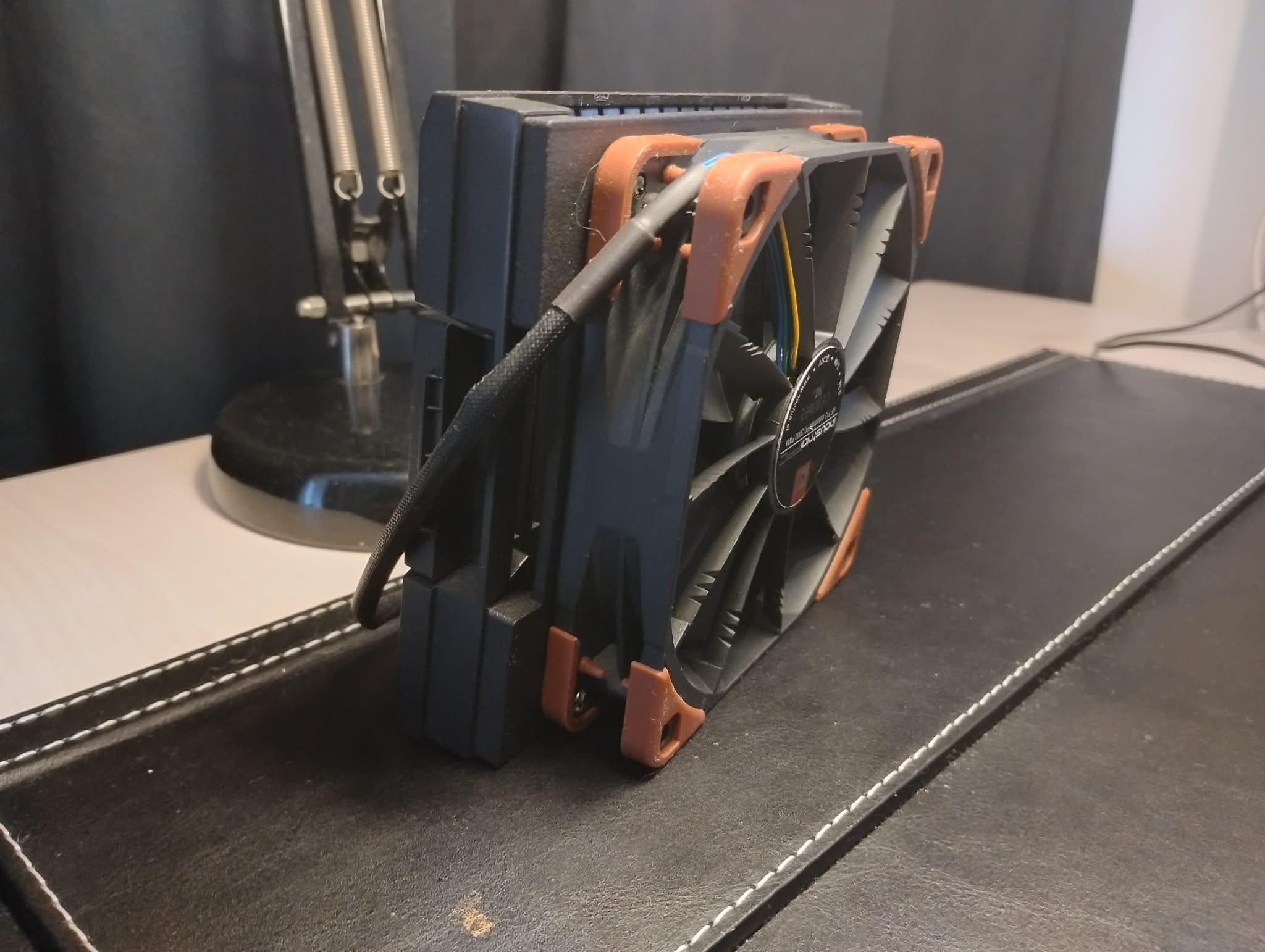
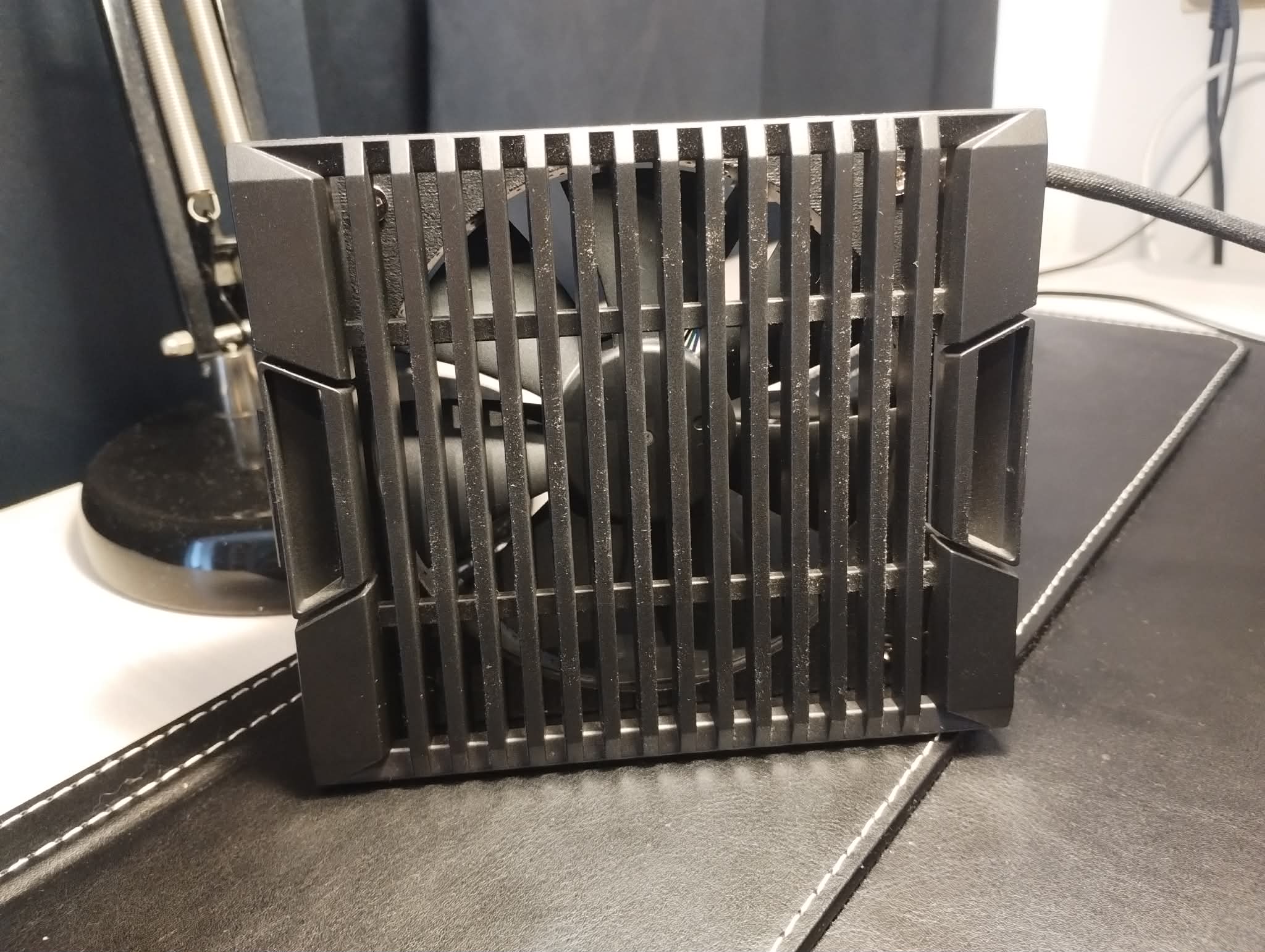
[EDIT] Wow… this post kind of got away from me!
I don’t have personal experience with such products, beyond owning a few cases that have come with similar materials pre-installed. Silent computing used to be my main area of interest though. So I was a long time reader of silentpcreview.com, as well as being a lurker on the forums.
The short version of it is… silentpcreview.com (or SPCR) used to be owned by a guy named Mike Chin. SPCR was (and still would be) unique on the internet because Mike built a hemi-anechoic chamber in his house which, along with various other bits of kit and a ~$4,000 USD microphone, meant that if something was as loud or louder than an incandescent lightbulb, Mike could measure it whilst no other site could, and he could do it with a high degree of precision. The noise floor (lowest measurable noise level) of this setup was something like ~10dBA. Where as every other website at the time, had a noise floor of 30dBA or more. Mike, along with a guy called Lawrence Lee, wrote some brilliant articles and reviews that to this day, would still set them apart as the yard stick by which all other sites would be measured.
Which is all to say, Mike and SPCR was the authority on the subject of silent computing.
The forums were also a great resource too. With some users who were truly obsessed. One of which was the Youtuber DIY Perks, who made a computer that was quieter than his own heartbeat. Unfortunately Mike decided to move on to other projects and sold the site several years ago now. The modern version of the site is… not good. But you can still find the real SPCR on the wayback machine. Stick to anything on or before the last capture from 2019 - silentpcreview.com | Everything about Silent / Quiet Computers
So why am I giving you this internet history lesson? It’s so I can share some of my second hand knowledge from all those years of reading SPCR.
Before I do though, I should just mention that the way you reduce noise from a computer, depends heavily on what type of noise it is. If the noise is the low, rumbling reverberations of HDDs, that you can hear through walls even though you can’t hear the case fans… foam sheets are not the answer.
Thin foam sheets can make a difference but the difference they make is often minimal. If you were to make a list of ways to reduce the noise of a computer, they would be toward the bottom. There are far more effective steps that can be taken, usually starting with controlling the speed of and / or improving the quality of the fans. Improving airflow potential (big intakes mean slower fan speeds). Soft mounting or even mechanically decoupling your hard disks from the case (which can be risky so I don’t advise it). Placing the case on noise isolating materials can make a big difference. I recommend Sorbothane hemispheres but you need the right spec for their overall load in order for them to be effective. They can also make you case a bit wobbly on it’s feet. I could go on…
The main thing that foam sheets tend to do is attenuate noise. They can reduce overall noise levels but they’re far more effective at making higher pitched noise less noticeable. The total noise level isn’t all that matters though. The quality of the noise is just as important. They can also add mass and rigidity to you case panels, which can reduce or eliminate rattling and resonance. Which is why some cases / users use heavy bitumen sheets. This approach is called “mass loading” which is commonly used to make car interiors quieter. It’s like with vinyl turntables… one way to prevent vibration is to make them as heavy as possible so that there’s not enough energy in the vibrations to noticeable vibrate the turntable.
Thicker foams and convoluted “egg crate” foam can be more effective at combating airborne, higher frequency noises but at some point, it can become a trade off between the effectiveness of the foam vs. it’s restricting airflow. Some people think it can limit the conductive cooling of the case panels too… I’m sure it does but whether it does it to any significant extent is debatable in the absence of proper data.
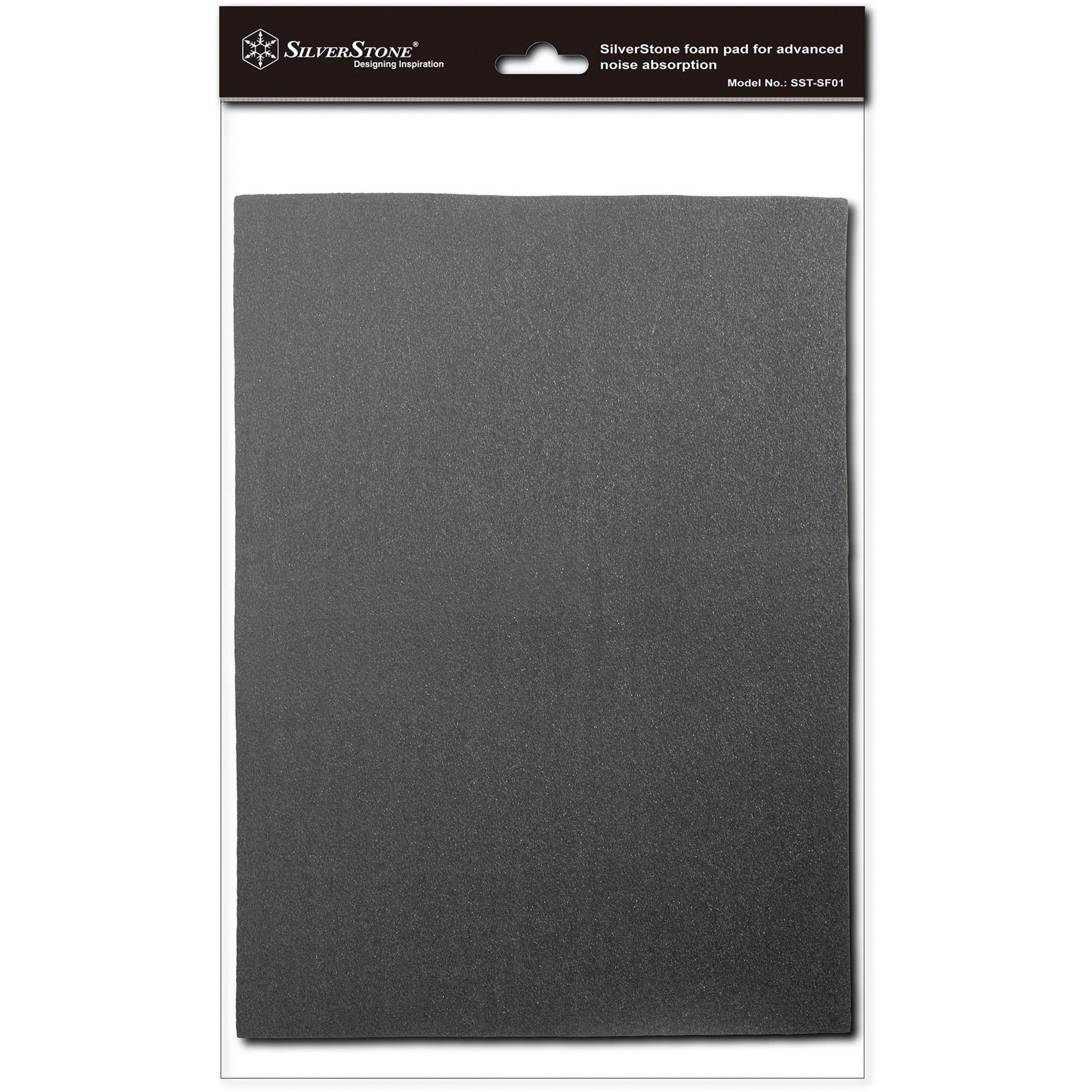
So my opinion on SilverStone SF01 sheets is that they may be worth trying but there are more effective things you can and should do first. If your main issue is the noise from the HDDs and that noise is predominantly the airborne noise rather than the deep, reverberative kind, foam sheets can help to an extent but there may be better options.
The above advice, just like SPCR, is mainly geared toward desktop computers though. Servers are a different kettle of fish because the noise from a large number of hard drives can very difficult to deal with. Which is why I speak from direct experience when I say, I’ve found that placing my server on a “mass loaded” platform of alternative sheets of MDF and bitumen has helped but am not recommending it as I would do things differently now. Ultimately I’ve just had to get used to those low frequency reverberations.
A bit of a tangent but if you have the space, a foam or even carpet lined enclosure can be really cheap and incredibly effective. It’s basically what I plan to do eventually, albeit it with some kind of mechanical suspension built into the base. LinusTechTips did a video on the subject that is actually worth a watch - https://www.youtube.com/watch?v=j8IYsQ6QVp8
 . It’s in great condition! I’ve just never put more than 8 drives in it and I would like to put them in the top 5.25” slot but the 16x is 2x5.25”. Hit me up if you want to talk more about it. I don’t see myself using the extra 8 slots in the future. I have all the packaging and documentation.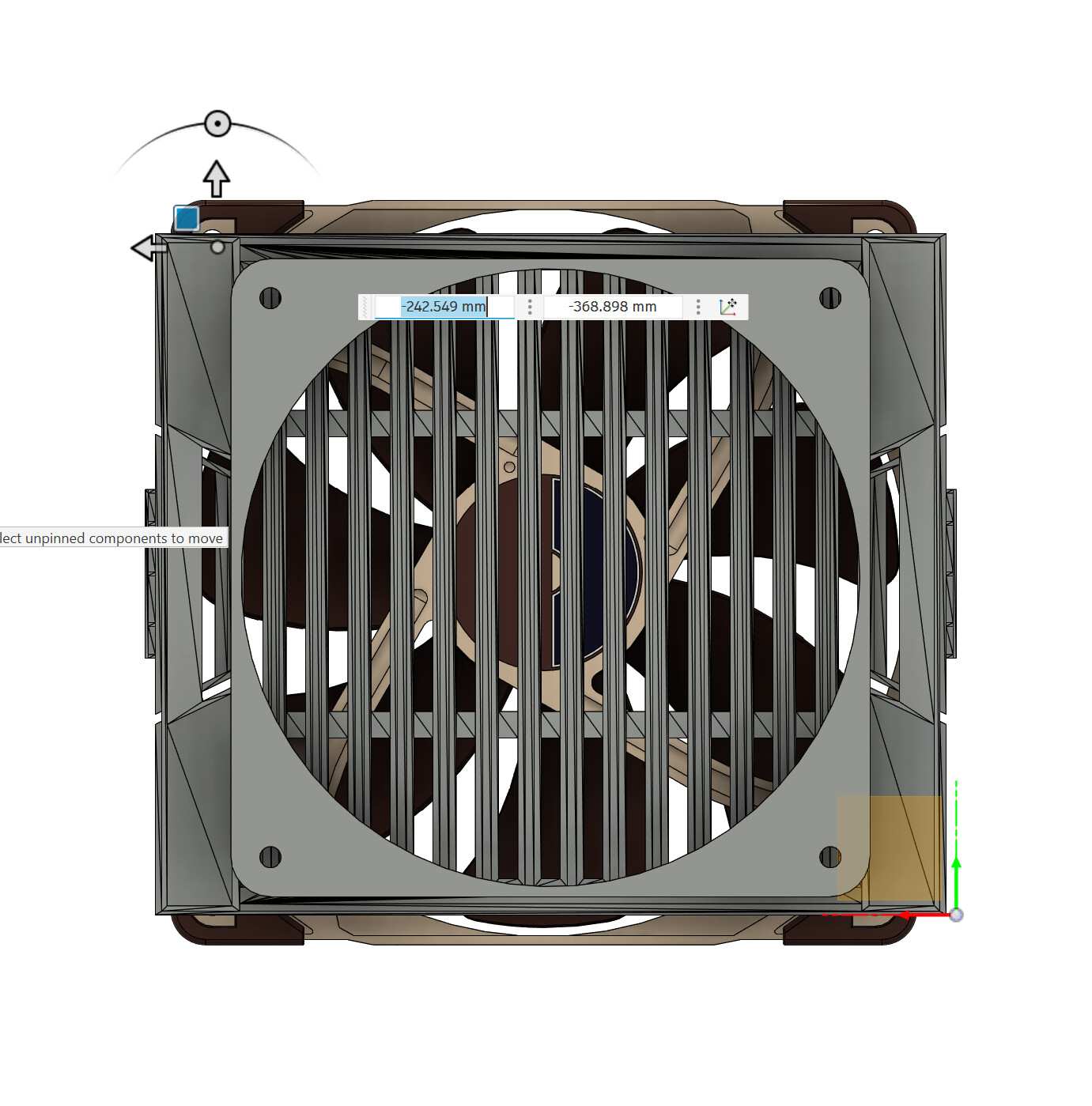
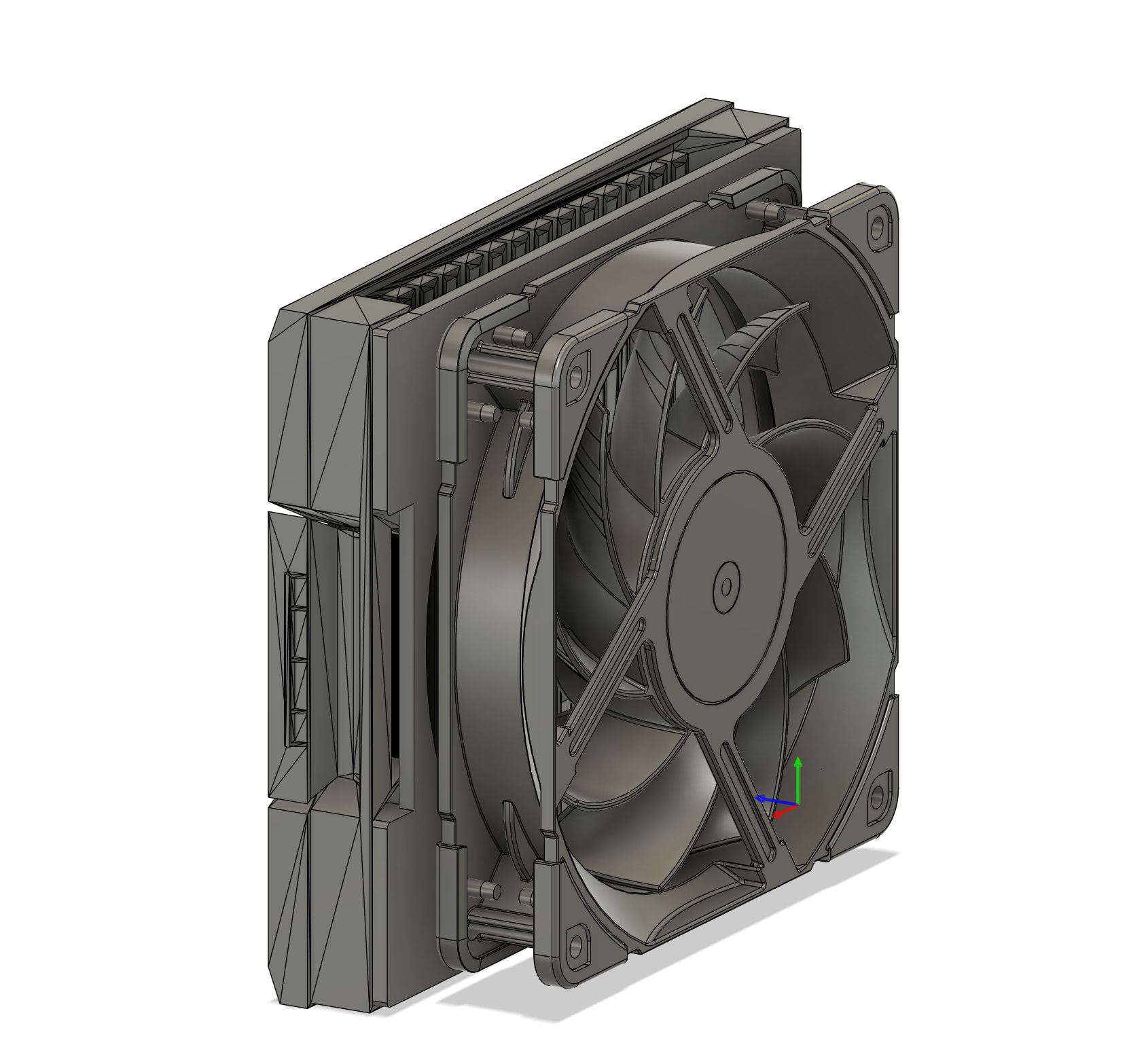
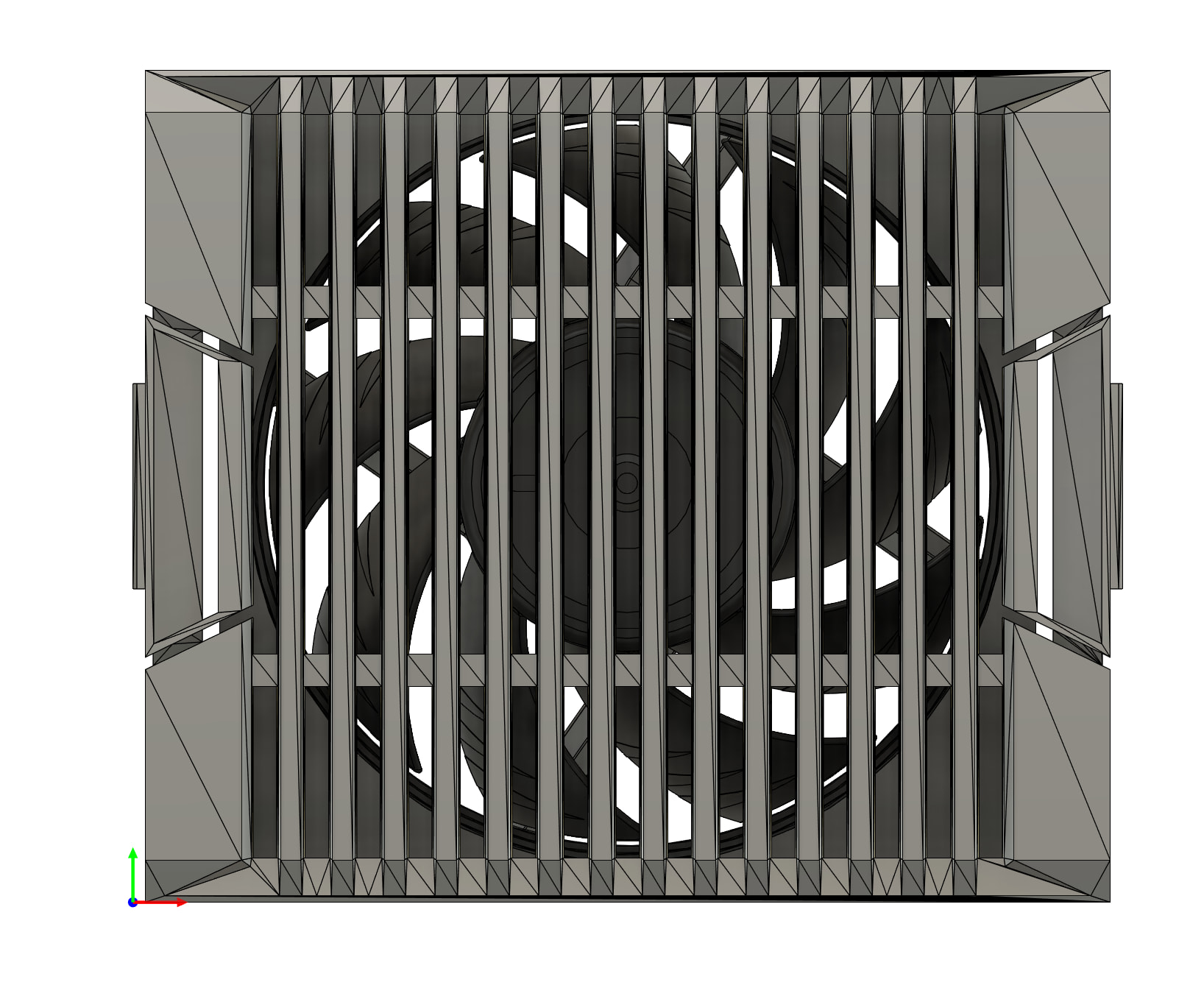
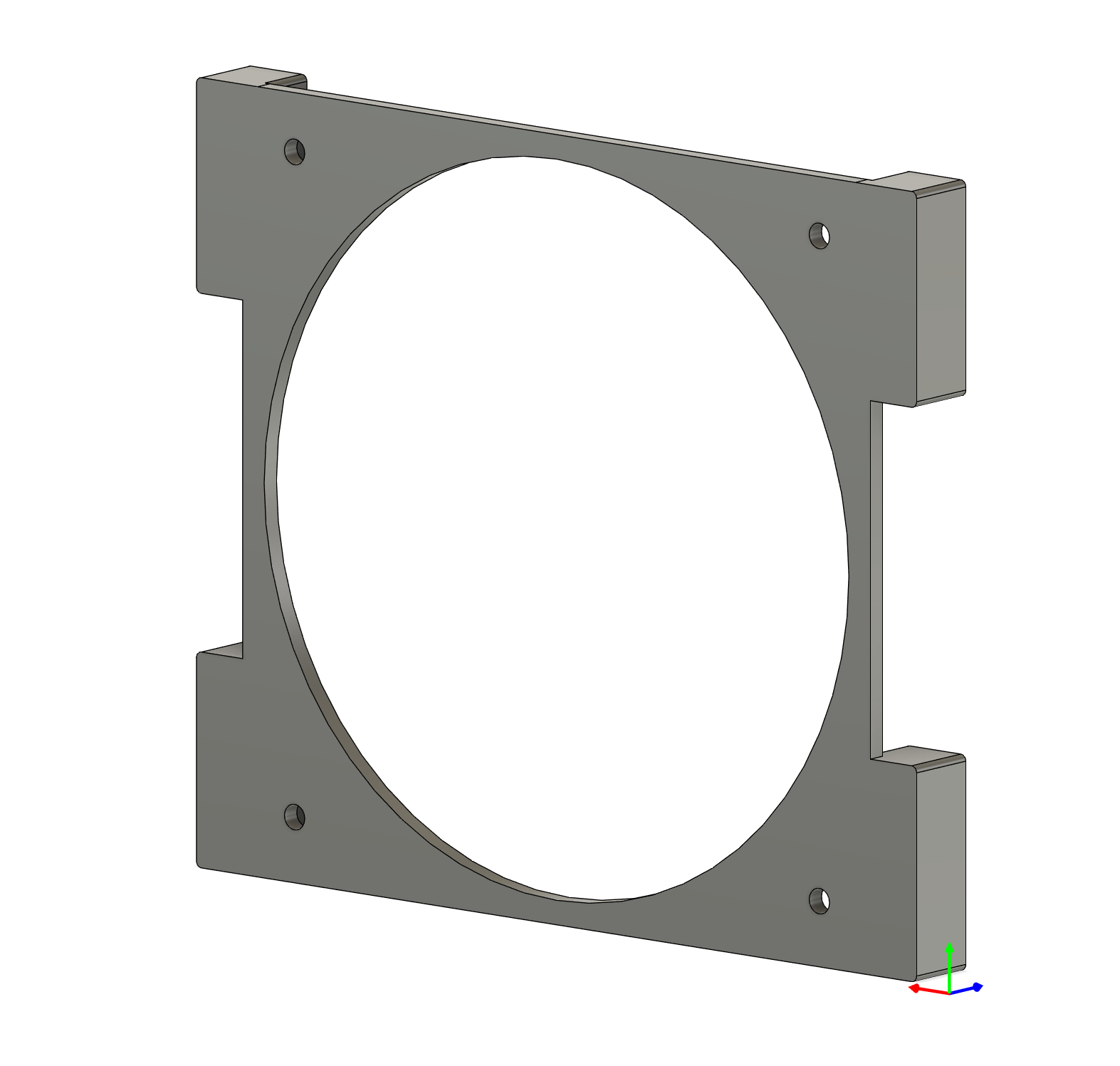
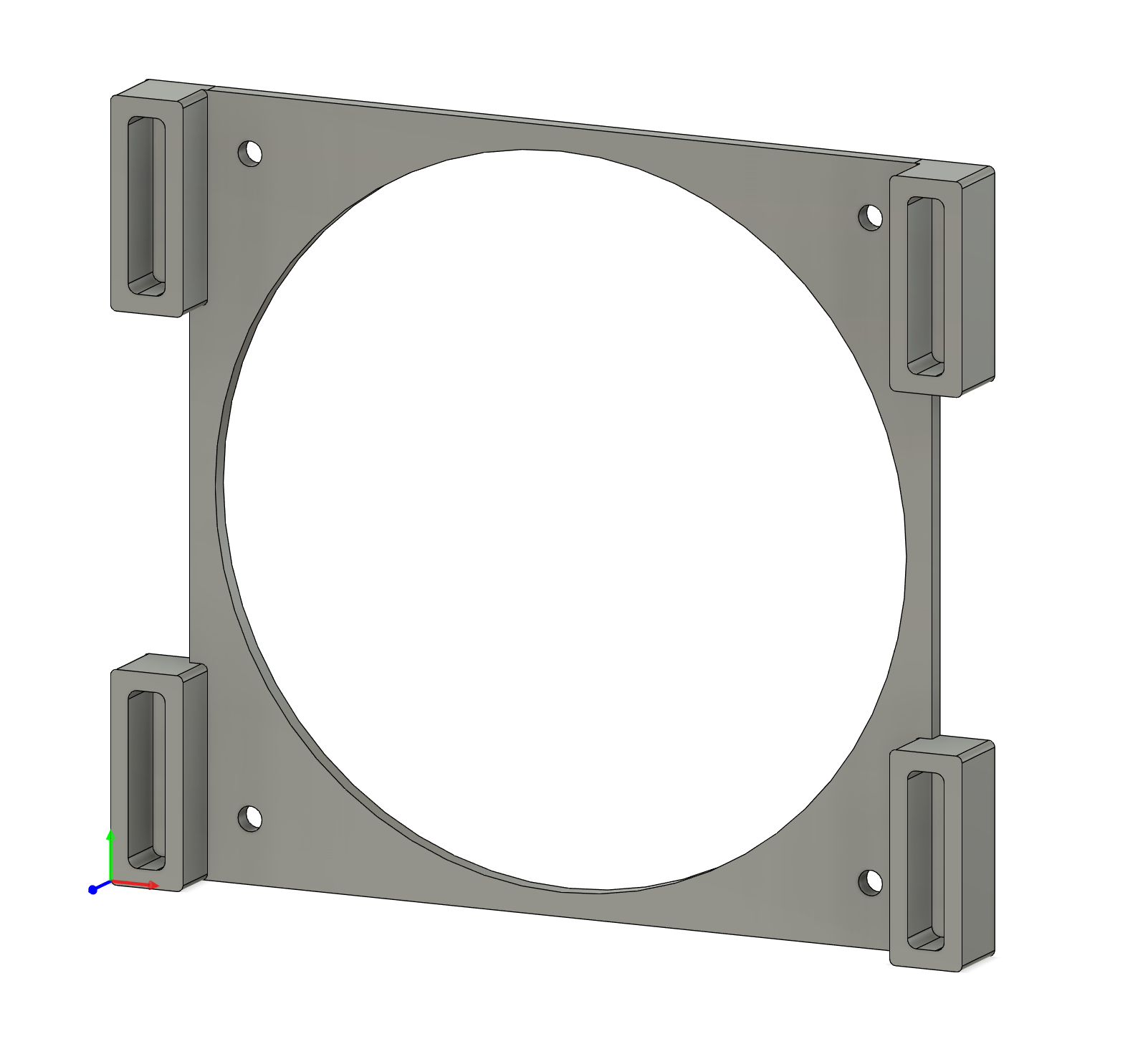
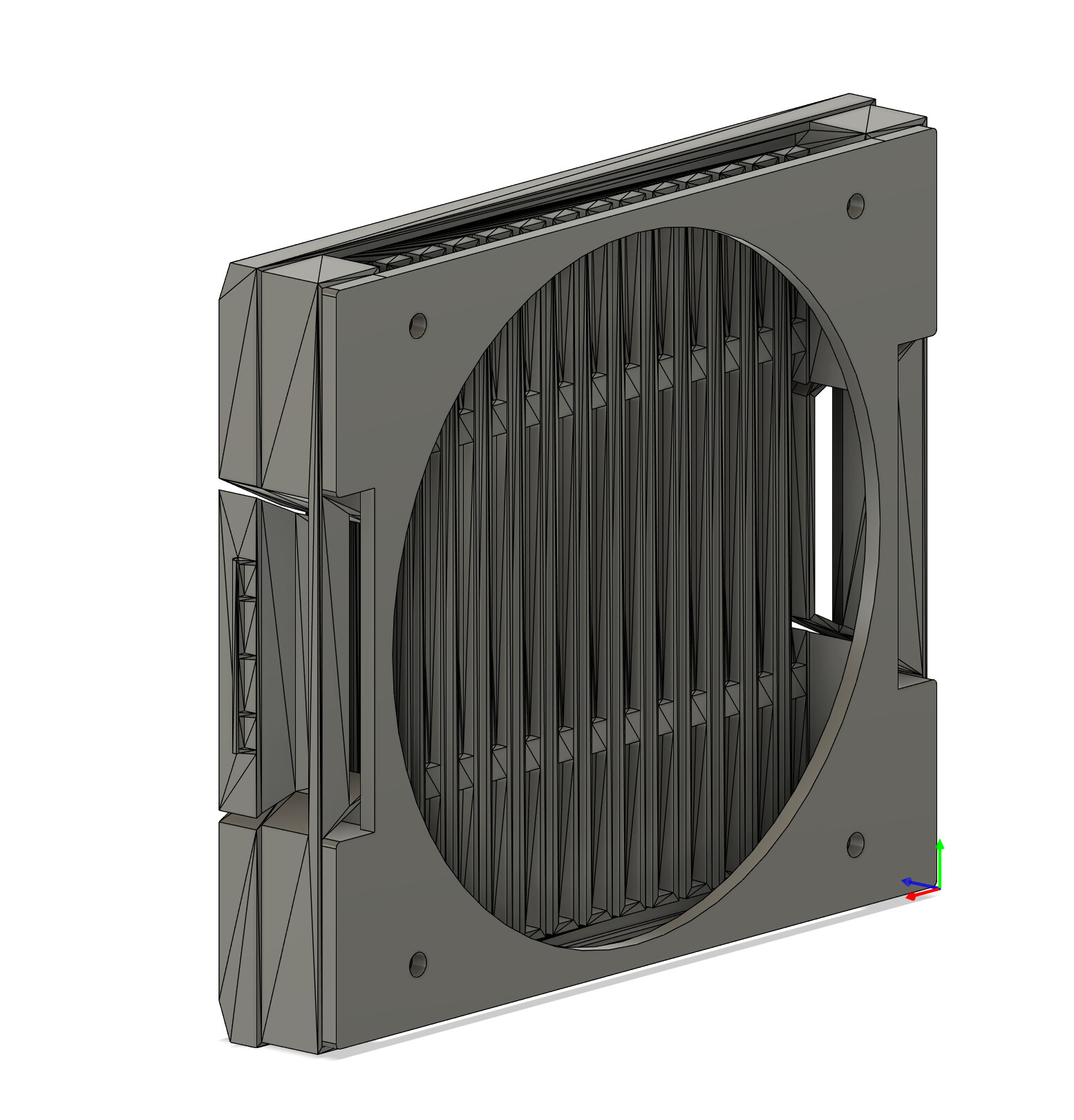
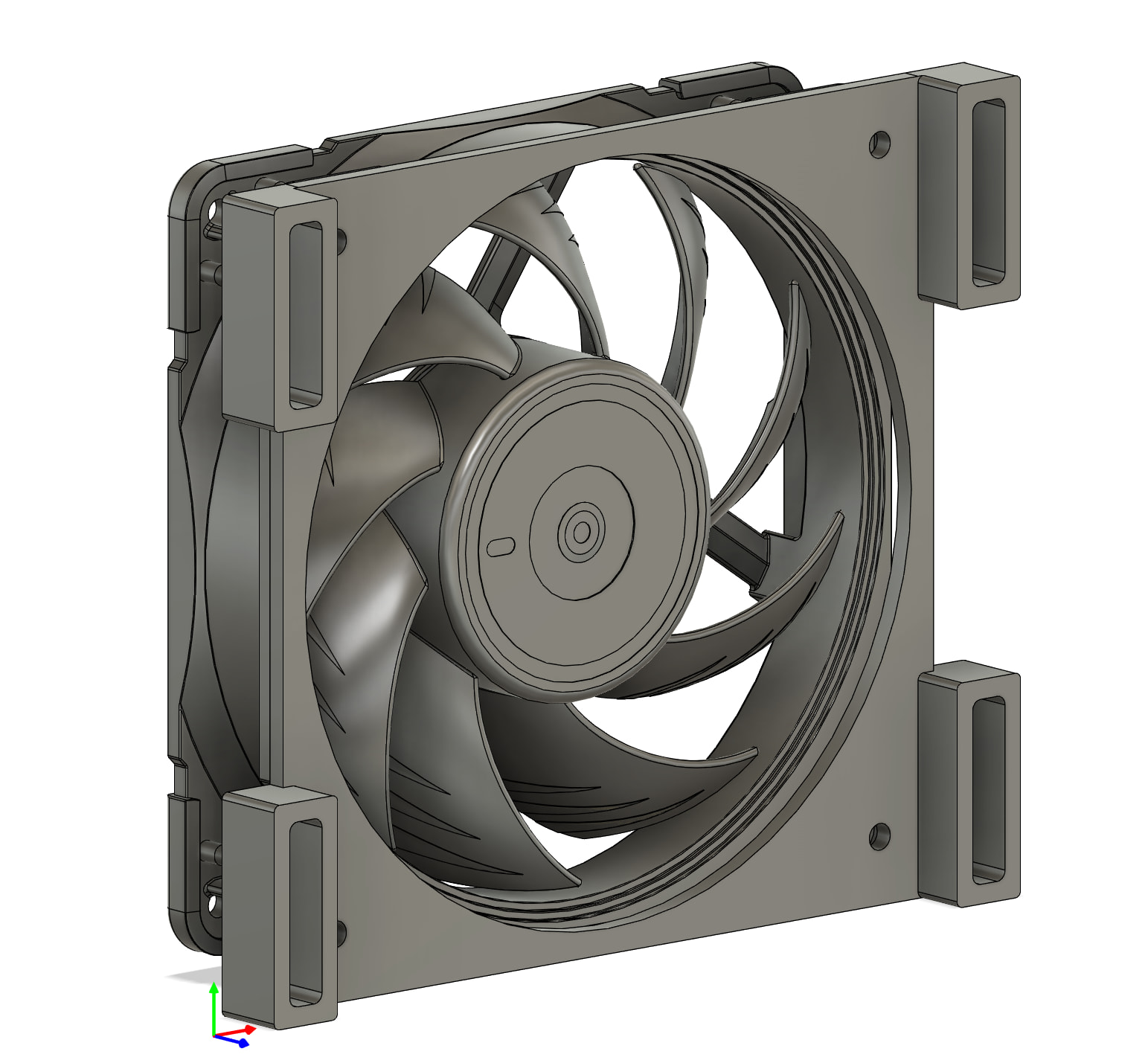
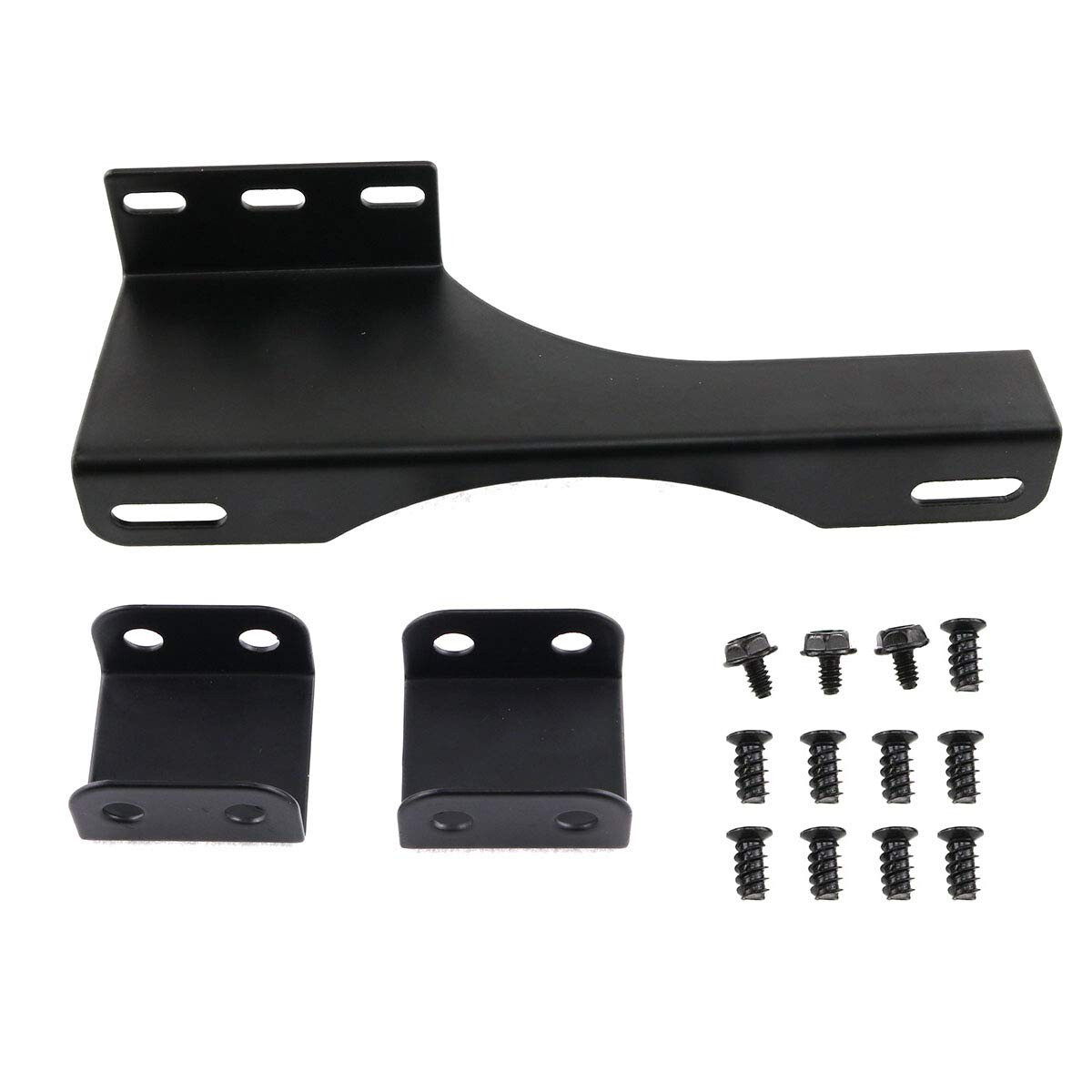

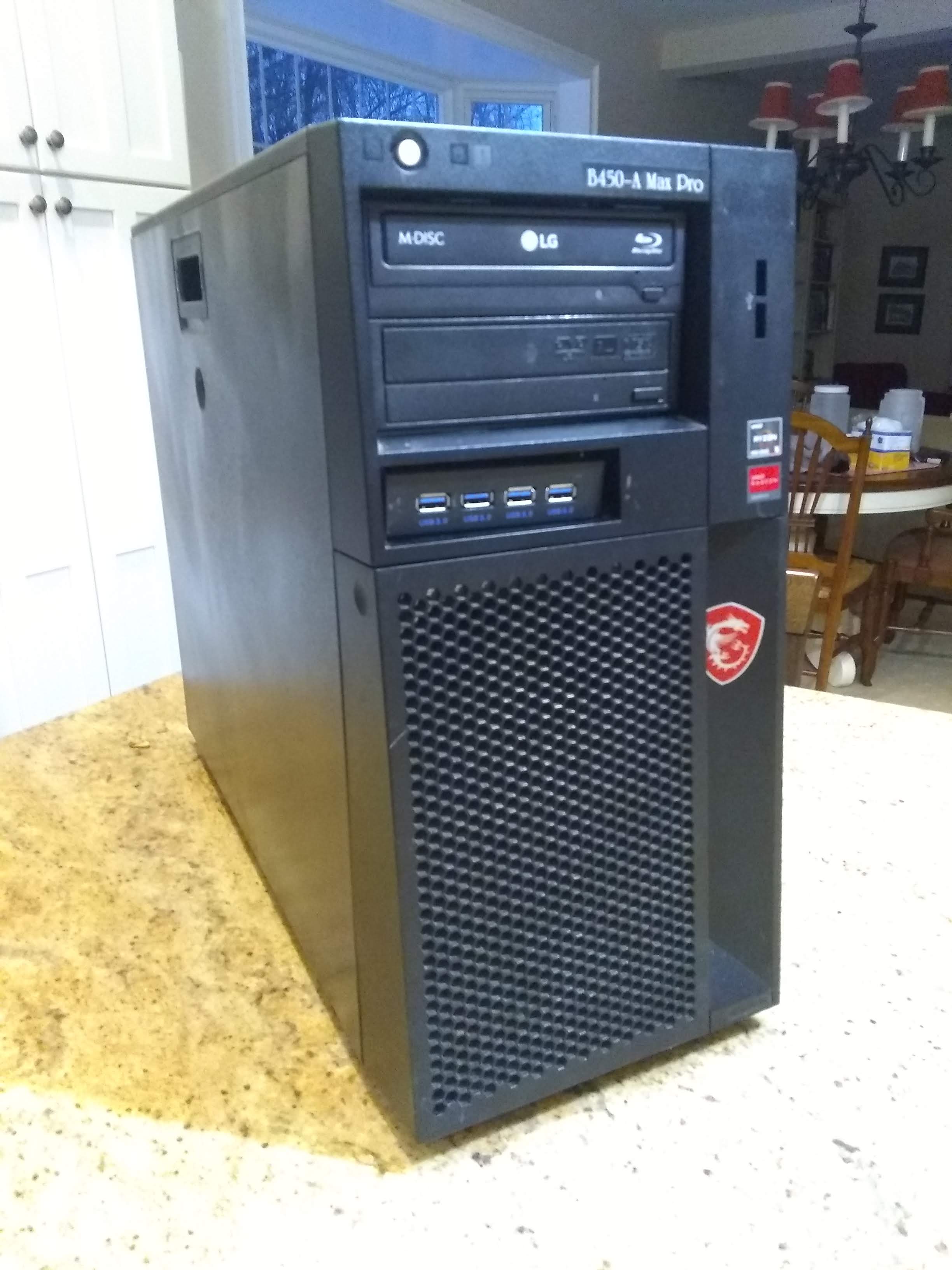
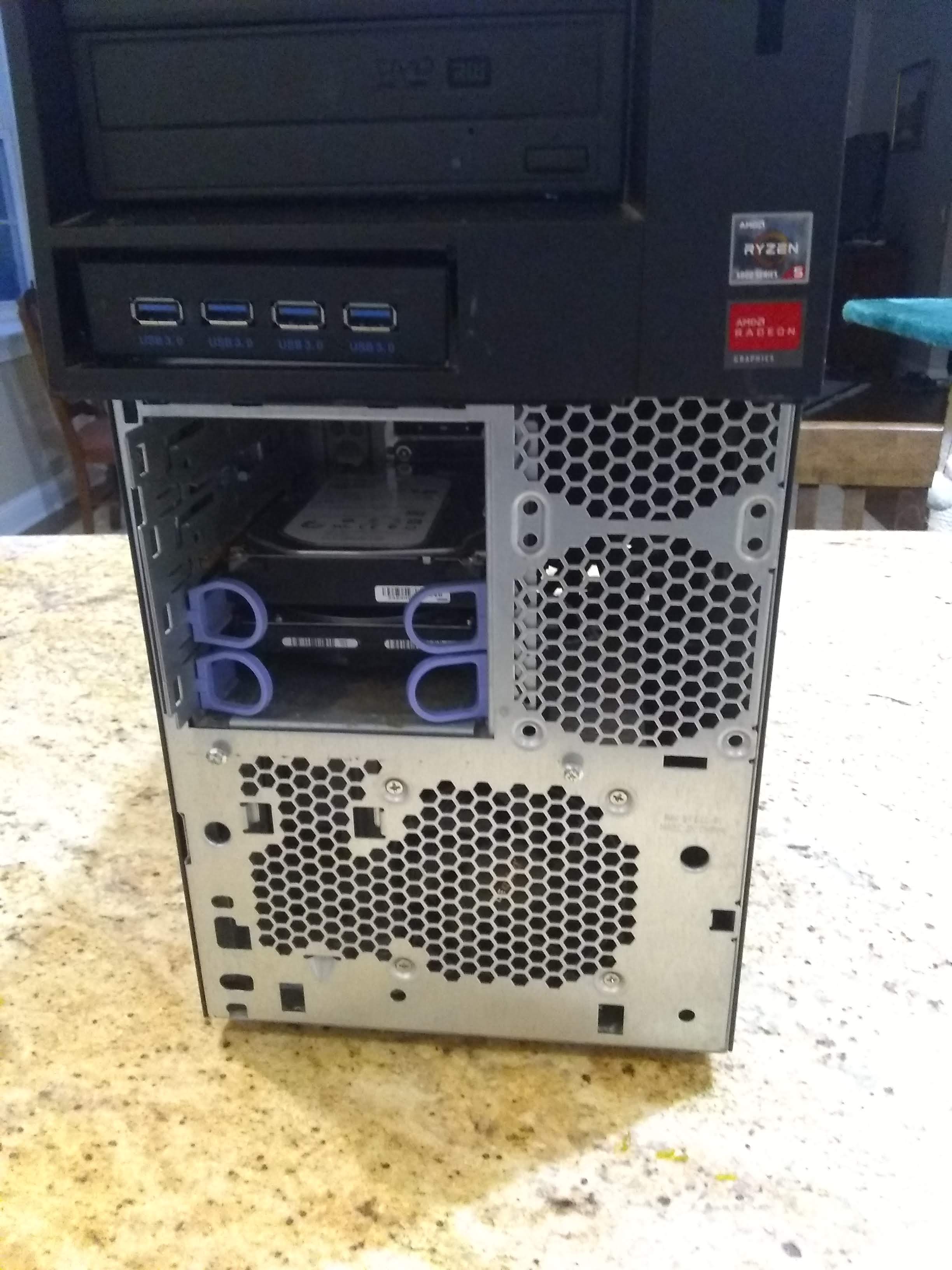
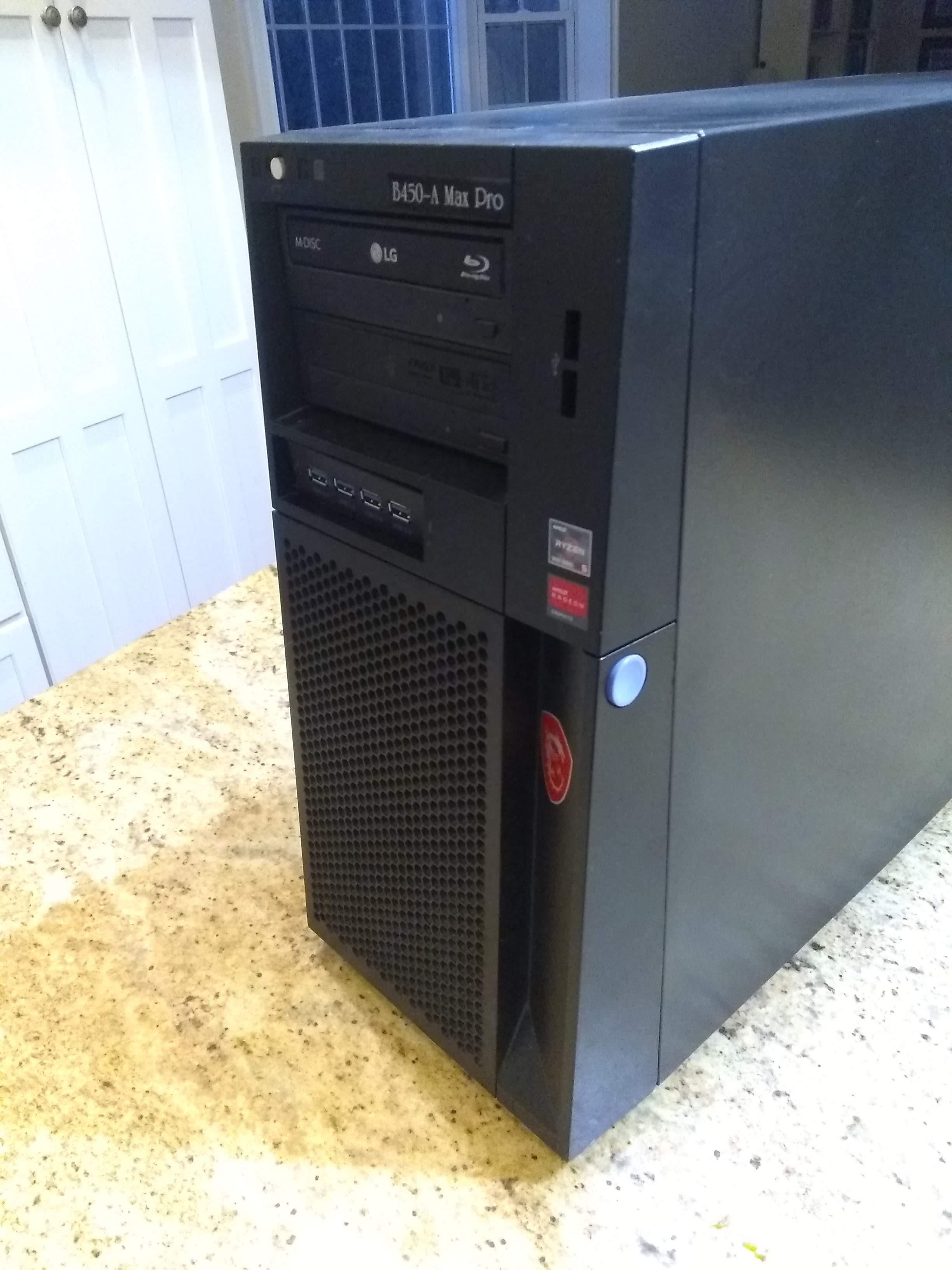
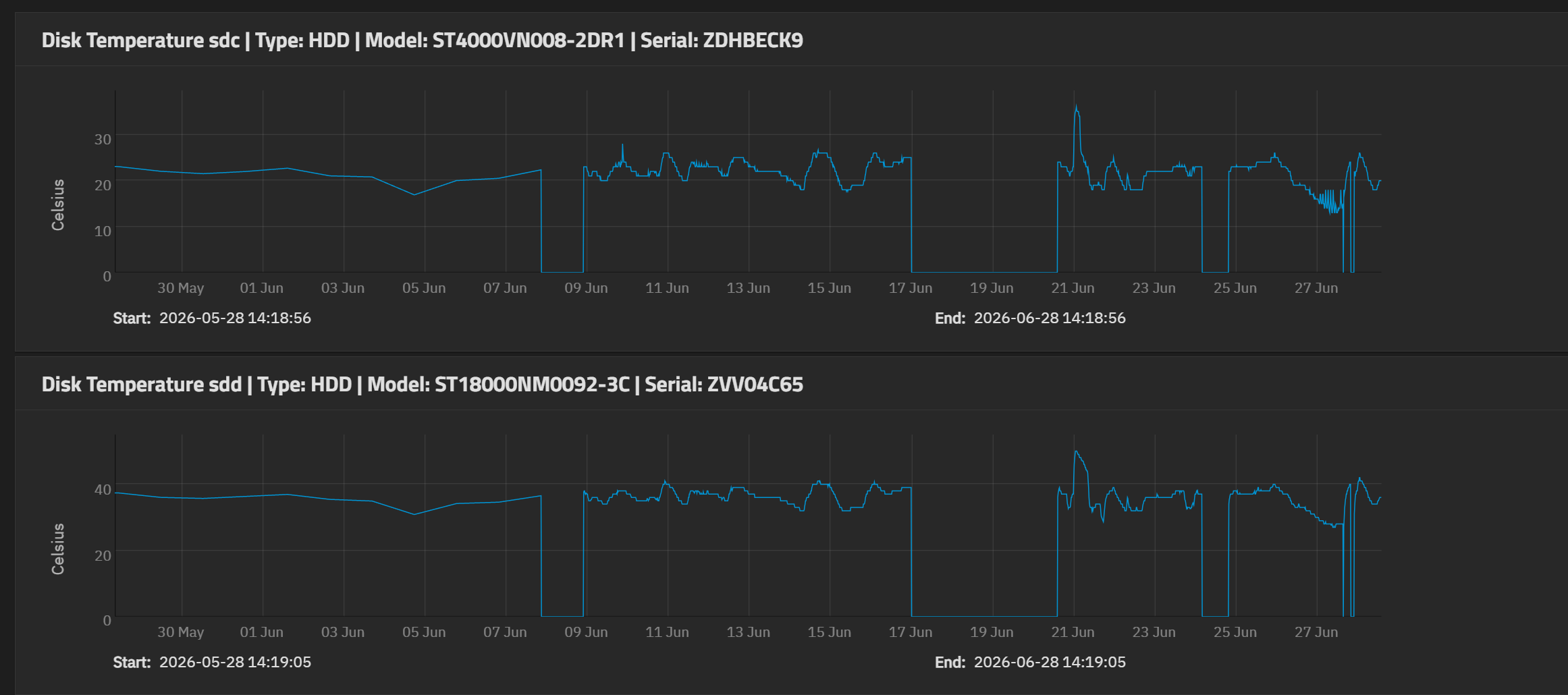
 . Nah in all seriousness my last place was not great and the drives would get north of 60c but it’s no longer sequestered away in a hot room at my new place. I think realistically we need to accept that this case’s cooling is insufficient stock but it can be mitigated with placement.