Right now ? zfs has been supported for years at this point. The entire ecosystem, community support, docker integration is way more polished than other “nas os’es”, its turnkey, simple and a great gateway to homelabbing. Using different sized drives within an array too is quite smart in today’s hardware cost climate.
It has a huge userbase compared to hexos / fygo os at present, just ignoring it because its in a “transformation” is a bit silly. Are any os/system under development going through a “transformation” - so with that logic, any os/system is under a constant transformation.
1 Like
I’ll join in for Devember, I’ve got an old SFF from HP. The case is pretty much maxed out, but one day, I’ll try and shove it into a wide ATX case, and maybe some PCIe cards, who knows.
Currently running Portainer CE on Ubuntu. For this devember exercise I was thinking about blowing that away, and setting up the SSD with a fresh OS and something that can manage my containers.
I’ll be working with Plex, Komga, Audiobookshelf, etc.
HW: i7-6700, 16gb RAM, 256gb SSD, 2x HDDs with pre-existing documents, pictures, music, movies
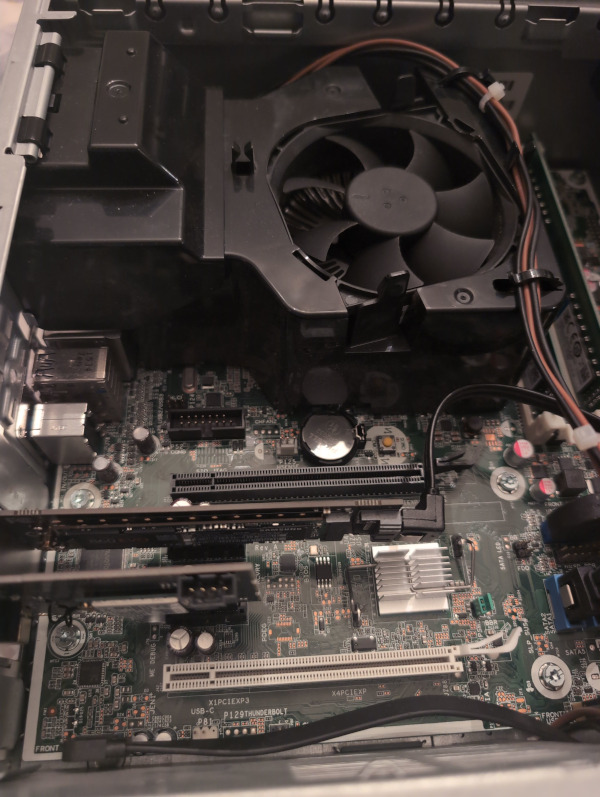
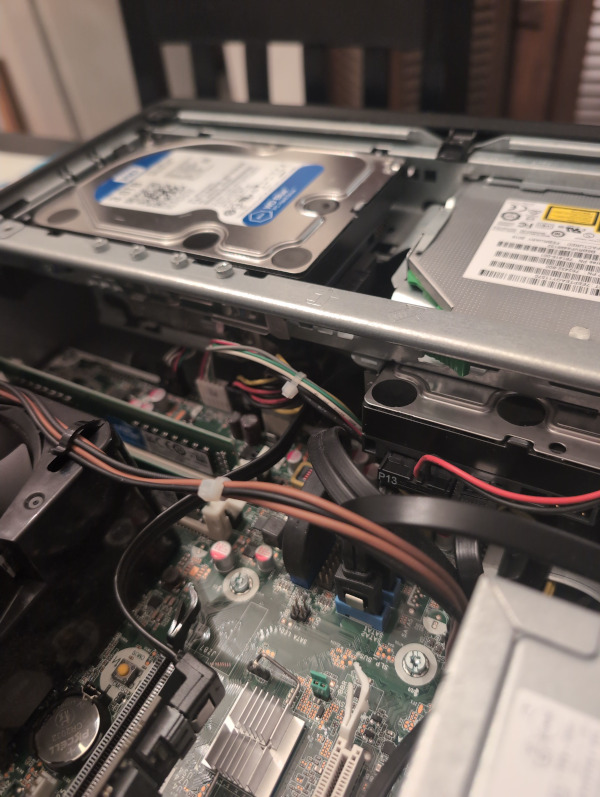
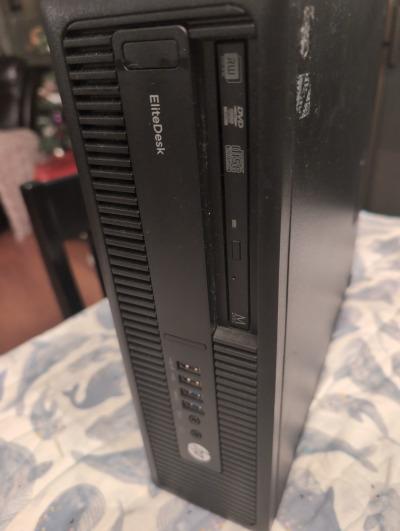
1 Like
New UI, native support for compose are big. I also hope my videos last a while and immediately it would be out of date with near changes coming for unraid
Like I hinted at with fygo and hex, a good docker compose experience is generally what I’m looking for specifically not to be wed to a specific nas os. So I’m excited to wait for these changes in unraid. Don’t read too much into it, unraid is just fine if it ticks the boxes for you and gets the job done…
I am in need of a Level2 tutorial on Proxmox for production.
Having the usual lone-Prox-Box or 3-tiny-PC-cluster is fun and all, but, how do I do this to replace a VMware or Hyper-V setup?
I have gone fully down the rabbit hole of homelabbing after deploying my first Pihole (no pun intended) a little more than a year ago now. This stuff is addictive, and it is my opinion that any homelab video should come with a disclaimer that this can be as damaging to your finances as illicit substances.
Current setup has an intel nuc8 with a thunderbolt 3 dock running ollama vm in proxmox. That was a JOY to stumble bumble through learning how to pass the GPU though, but feels super rad to have setup. I 3d printed a storage server as my first one with some at the time ultra cheap 4tb sas drives. I ebayed my way into a sweet itx motherboard with ram and an I7 9th gen cpu before the AI-cartels sucked all the parts out of the market. Since I have bartered, traded, and side hustled my way into a N6 jonsbo case with some recycled am4 hardware and a decent amount of storage. I am a very happy camper well on my way to ending my subscriptions with some piece of mind that I have somewhat limited the data-hoovering that is happening(maybe).
All the talking about my personal setup aside, I really hope to see some videos talking about some networking and how it pays a critical role in underpinning your homelab architecture. I have been tempted by the forbidden fruit that is the virtualized router, and that would be cool to see what you could come up with for that from an economy hardware standpoint. Even seeing if you could do an ultra cheap 2.5g or 10g switch/router would be neat. Also, being a noob I am fresh with learning docker networking and the lessons on how to configure a network has been ultra-critical. Yes, it was dns, or yes it was the firewall. 99% of the time that will trip you up 100% of the time.
My Setup - ASRock Z87 Extreme 6; i74790; 32GB DDR3; Running 24 TB TrueNAS ZFS Z2, with varicose Self-hosted App/Services. With tailscale everything is securely accessible form all over the world. Almost completely de-cloud-ed my whole home environment. Linux on all home PC’s and Laptops, OPNSense Router + Unbound and Rustdesk for Remote desktop. Future plans include Stoat (Self hosted discord replacement) with Matrix + Element to replace Google chat & WhatsApp. And for when things really start going sideways LoRa Meshtastic, not there yet, but its getting close. Oh, and Qwen3.8 27B on my personal PC with a 1080 TI (No, Really), still have to buy/find/beg some proper hardware for that one.
I worked for a company that owned 1,000s of those SFF dells. Mostly sandybridge (790) and ivybridge (7010). The older power supplies really are aweful (H240, L240, AC240).
Our refurb process involved replacing almost all of the capacitors in the PSUs with Japanese low ESR capacitors (Panasonic, Nichicon, United Cemi-con, Rubycon). Often there were some MOSFETs/diodes that needed to be upgraded/replaced. We also recapped the motherboards with polymer caps because a lot of the caps especially on the VRM would fail.
We also replaced the firmware chips because those started failing.
After a good bit of soldering, you can get them pretty reliabile. The later ones, Haswell and later, got better. Also, the harddrive caddies for these SFF machines have two holes perfect for mounting a 2.5“ SSD where the optical drive would normally go if you dont want it flopping around.
my old home server was some small factor second hand pc with a intel i5 with no igpu. that caused quite some issues with my arr stack and youtube videos.
So i went out and build a new one. parts where choosen by me.
- Cooler: Thermalright Peerless Assassin 120 SE from a old build. total overkill but i already had it, so why not.
- fans: ARCTIC P14 Pro PST
- Motherboard: ASRock B550 Phantom Gaming 4 moederbord. 8 sata ports, ECC support, no nonsense.
- GPU: ASRock Intel Arc A310 Low Profile 4G. This is for decoding and encoding. For the jelylyfin arr stack mainly. Also used by immich for hw accel.
- Cpu: AMD Ryzen 5 PRO 4650G. Supports ECC. hard to get to, since it is only sold to OEMS
- Ram: 16gb ddr4. plenty enough.
- Case: Fractal define 7 black, for lots of hdd storage, lots of room.
1 Like
I had an old Fractal Node 202 laying around and I wanted to upgrade my main PC. Also wanted to host my Plex separate from my main PC. Also… wanted to get away from google services.
So my old motherboard, CPU, RAM and NVME moved to the Node. Just had to buy a modular SSF PSU and some additional storage to create the home server. Ended up choosing Proxmox. So far it has been working great. Only rebooted the machine a couple times over the past yeat. Uptime is right now at 59 days.
OS: Proxmox VE 9.2.10 x86_64
Mobo: B550M-ITX/ac
CPU: AMD Ryzen 7 5700G (16) @ 4.67 GHz
Memory: 4.66 GiB / 30.72 GiB
Running:
- Plex
- Jellyseerr
- Flaresolverr
- Sonarr
- Radarr
- Lidarr
- Prowlarr
- Deluge
- Audiobookshelf
- Immich
- HomeAssistant
- NextCloud
- RustDeskServer
- EOS Test VM
Probably will keep adding stuff as I find the need for it. Maybe I’ll add some dedicated GPU for hardware encoding and AI stuff.
Kvms that can plug into power/reset header are trending toward less than $50 which can make a fine ipmi substitute
2 Likes