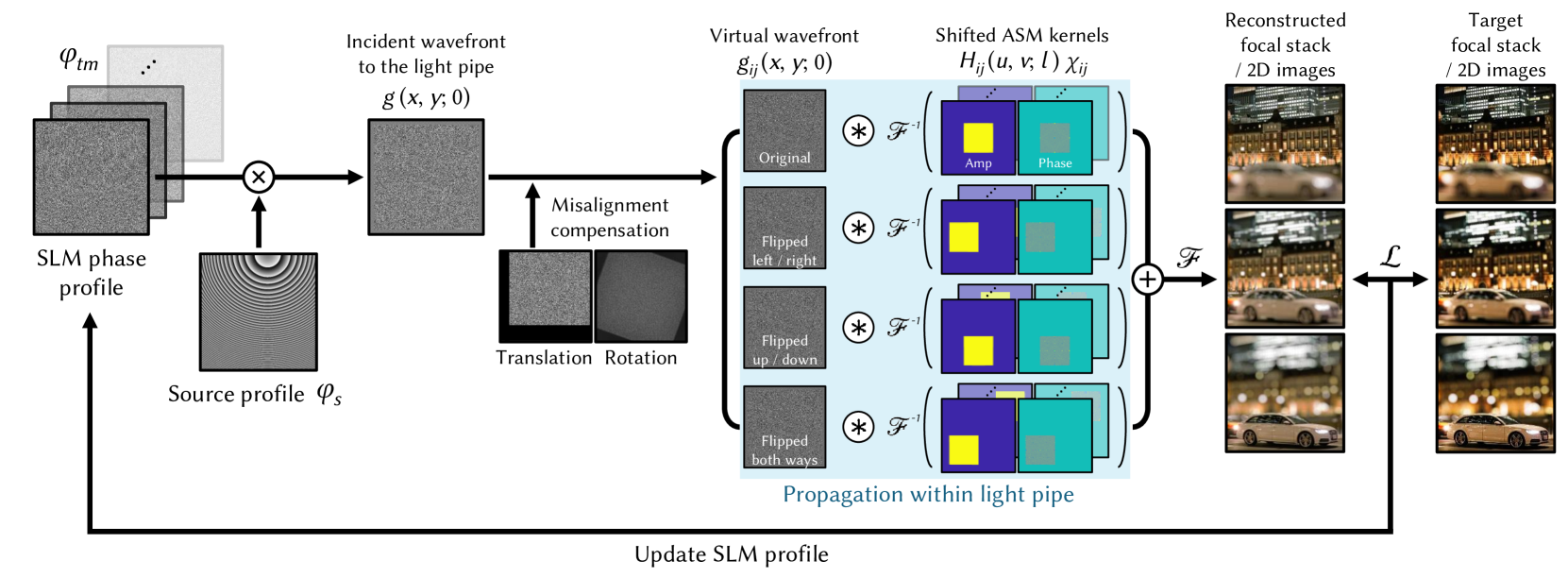
Hi ! I’m looking to get some hololens information on something i couldn’t read about anywhere, I was hopping some people here would have worked with a unit at the time, or any similarly promising tech. I knew a guy who had one during his doctorate degree on human interface, but it was long ago and i really cuted bridge…
What do i call AR
So i think it’s a good thing to clarify this at first since like many other tech-word, it have been thrown around for everything and anything.
To me, the AR that was and still is promised is a transparent layer that overlay positioned 3D object in the reality.
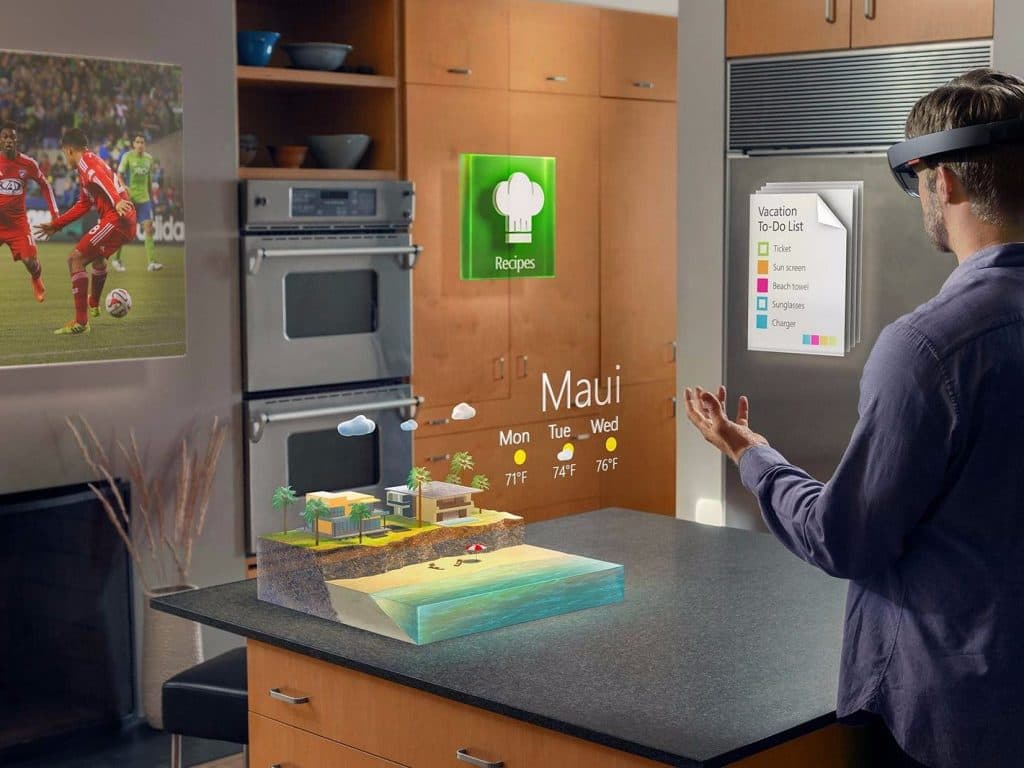
Thing like Xreal glass that project a fix position image in your field of view, or like the OG google glass with a static information somewhere isn’t AR to me.
The apple vision pro is very very close to it given what the software offer, but for what i think AR should be, it need to be a transparent overlay, not a fully obstructed VR headset with good pass-through as i hope the future isn’t filed with people wearing VR headset in the street…
The difference between 3D and focus
I think it’s fair to say that creating realistic 3D effect is a solve problem. between the crazy VR headset we have, and the very good (fight me) 3D technologies available on old Oled TV and current high end projector… The apple Vision pro is to me a prof that this work well.
But, and please keep in mind that I’m a curious dumb dumb here, Left-right 3D is very simple because it does not take eyes focus into account.
While we can simulate convincing depth of field with eye tracking if we want to, a VR headset is a screen placed at a fix (really close) point in front of you. With perfect lenses, you could get an infinite focused scene for the simple reason that your eye (note the singular) don’t need to change where they actually focus on. The eyes just cross or uncross more or less depending on the 3D “effect”.
It is my opinion, and i couldn’t find document i could understand on this, that each eye need to individually focus on what you are looking at, that this focus change based on distance but also pupil dilatation, and only then the 2 eyes work on aligning the themself to form a 3D picture.
You can’t get bot a pen 5cm from your eyes and your monitor at arm’s length in focus at the same time right ?
This is also why VR is “eyes tiring” IMO, You eyes are always straining to focus on something very close, and looking at a Virtual tree far away don’t bring the same relaxing effect than IRL (remember the 20-20-20 rule !)
What does this mean for AR ?
Is AR even possible then ? I could be wrong here again, but i don’t believe there is any current screen technology that allow focus point control. The only way I’ve seen is basically reflecting projection on a transparency medium, and you would need to focus on the source, not the medium itself, making the focus point behind the medium…
Behind but still static.
The other solution could be a “direct to cornea” projection in the future, but outside of the “HELL NO” reaction, that would mean that everything is always in focus, you will have a clear AR object in a blurry spot, or you will need to again add fake depth of field effect…
Did the hololens actually work ? Oo
Given my understanding, quite limited, of the tech, something now strike me.
When the hololense came up, i was a teen, and i was mind blown by the fake PR stunt, Ads, and Keynote set that used single tracked camera to display an unrepresentative, perfectly opaque, ultra wide view of the 3D scene.
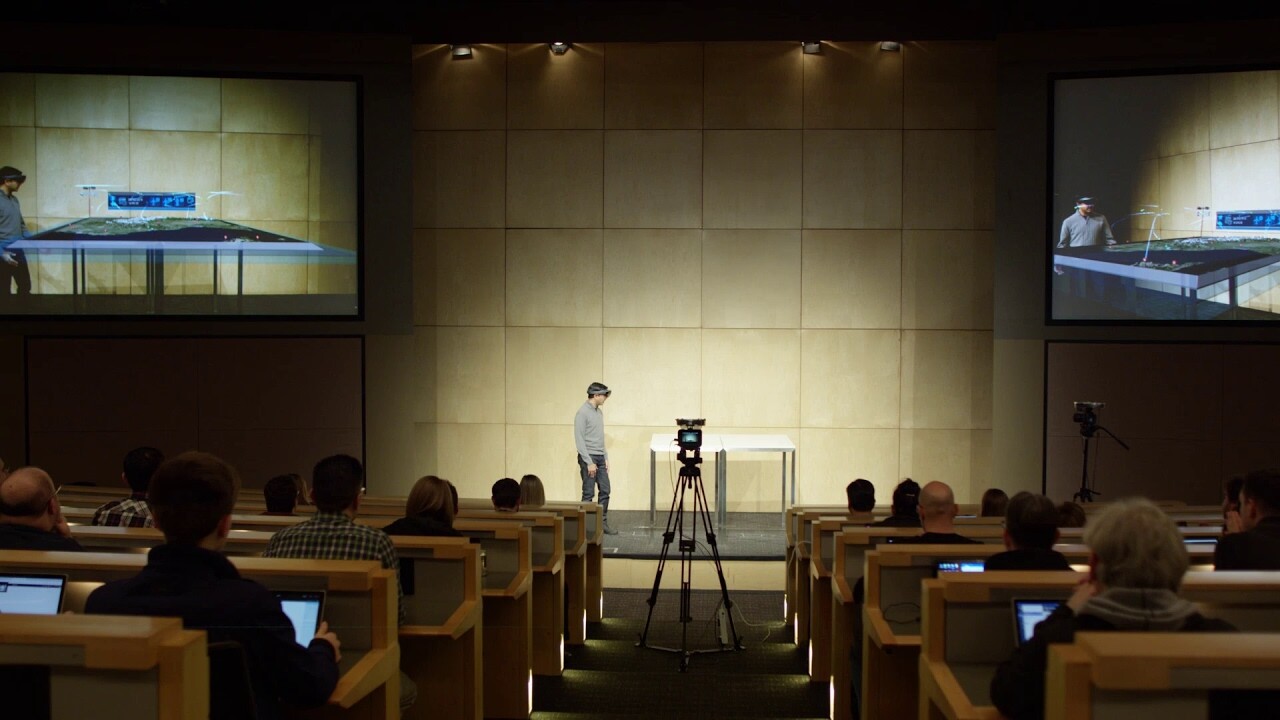
Everything bad i read about it at the time was on the actually very small FOV and transparency.
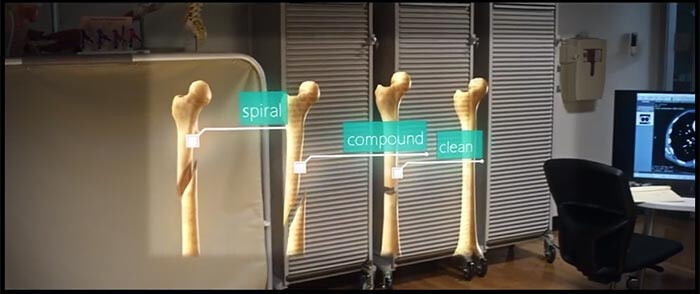
Microsoft video demonstrates the use of HoloLens in education - Audio Visual - News - HEXUS.net
But in every shot, everything is in focus, nobody talked about how they had to focus on the display to see it …
What am i missing ?
This is why I’m making this post, I NEED to know… Is AR a scam that never worked ? Did i miss something obvious and they were no eyes focusing issue on the Hololens ?
I really hope this topic will be seen by somebody who had a recherche unit …