I borrowed a book about how to prevent food waste and found it to be kind of shit so now I’m researching different ways to prevent food waste to make a web site/book.
These are the different chapters I’ve come up with yet.
Correct storage. What to have in the fridge, what to store dark and cold, etcetera.
Freezing. What you can just pop into the freezer and if you should chop it up first and if you need to blanch it first. I’m lazy so I will put meat, fish, and seafood here.
Drying/dehydration. What is good to dry, how to prepare it, temperature and time. How to make powders.
Pickling (quick pickles without lactic acid) What, how, how long it lasts.
Fermentation, with lactic acid. What, how, how long it lasts.
Things with sugar. Jam, marmalade, juice, syrup.
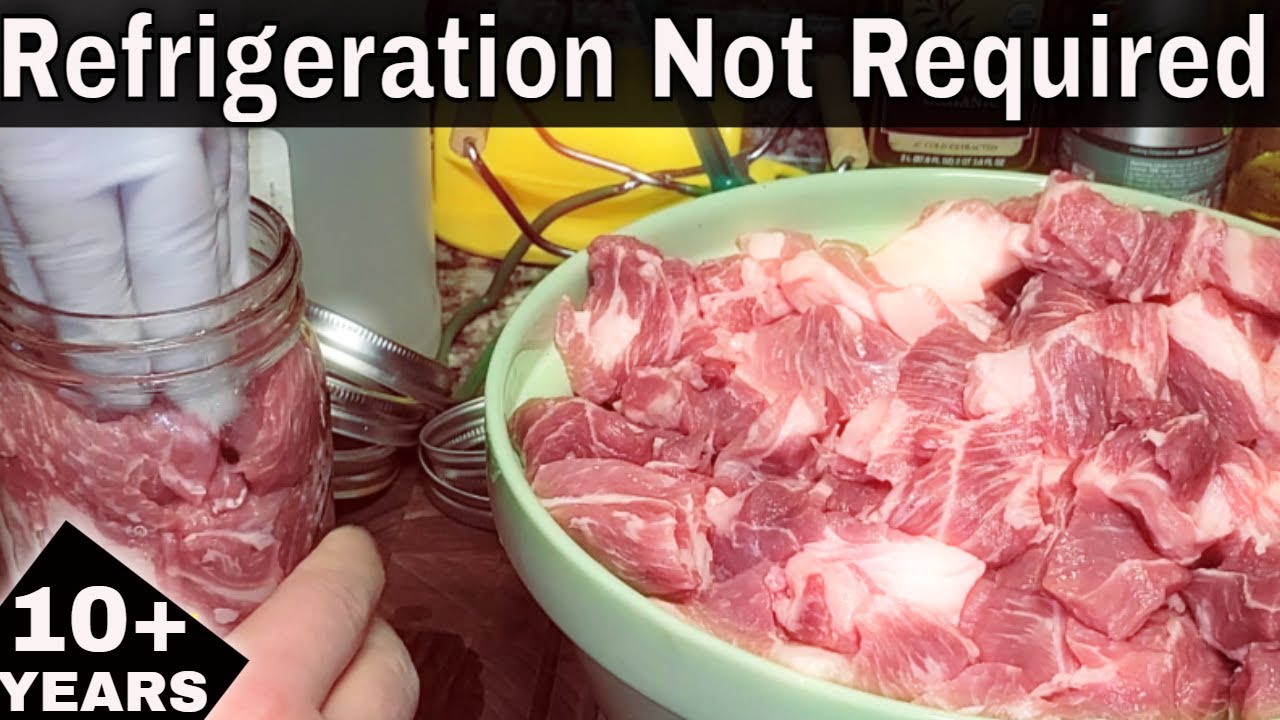
Canning
I don’t trust people so I’m not gonna tell them about drying or salt curing meat. Too many ways they can mess that up. And smoking needs equipment and I CBA to write about that.
So… what’s your favourite way to prevent food from going bad? Have I missed some?
Every time I have stuff about to go bad in the fridge, I make a big big batch of ragu to freeze, then I have 5-10 days worth of pasta sauce. Not really that much work, just takes a little patience, but 2-3 hours of waiting and you got weeks maybe months of instant microwaveable pasta sauce. I just make it with whatever veg and/or meat is closing in on expiration, just keep a bunch of canned san marzano’s handy at all times or even just tomato paste and any stock in any form.
#1 don’t buy more perishables than reasonably needed, or might preserve
Like, sure if you can freeze excess, good on you.
But if you pass the store on the way home from work, then 2 small shops a week, instead of 1 huge shop a month, will help if you have problems with wasting food.
Personally, we have a small fridge, and no freezer.
We don’t have waste, but on the other hand, we are less efficient, by multiple easy, convenient trips, instead of having to give up a Saturday afternoon, to battle with shopping crowds, then have to freeze 3/4 of the produce…
Also, a 9 lb slab of mince meat, that saved 3 dollars, but cut into 4 freezer bags at $0.5/each, then freeze for $2 of electricity, is a false saving of money, but may still save time
That guy with the cool culvert homelab, or others living far from grocery store, Really makes sense to do bulk purchases, and freeze/dry/pickle.
Someone living 2 blocks from the grocery store… A little less so…
Speaking as a privelidged Ex-Euro, with easy access to quality (and less quality) food vendors
I just assume someone’s gonna be like “I don’t have a pressure cooker. I know you said you really really really have to use one but I made it on the stove instead.”
I ask family & friends for freezer burned or barely spoiled dog safe protein & vegetables, so I can make food for my Shar Pei mix that has skin issues on commercial foods. I’m hoping to eventually expand to local restaurants and grocery stores, so I can make protein and vegetables for local shelter animals as well.
Having a meal plan for the week. That saves a lot of waste because you know more or less what you’re gonna eat in the week and how much. I know it might be difficult for families.
All the bread I bake gets sliced and frozen in air-tight plastic tubs. If you don’t mind having your bread sliced in halves, you can store them more compactly.
I’ve found that most homemade breads last about a month in a normal freezer, and about 2-3 months in a deep freezer (no auto-defrost).
Bonus tip for frozen pieces of bread, cake, muffin or pastry is to thaw it out for an hour or more inside of a small air-tight container. A lot of baked goods asorb tons of water from the air when you leave them out, so this keeps it from going soggy.
I have discovered, the best way is just to keep track.
Oh, i need to make dinner. I make something at work, i own a restaurant, i go home with the box of food, i eat, i put the leftovers in the fridge, where there are 3 boxes with old leftovers.
Just keep track.
If i know i have 3 boxes of food at home I just don’t cook for dinner. Dinner is already made and waiting for me at home.
That’s honestly it.
I mean the cat can only eat so much…
Cooking/frying and putting them in the freezer is a good one. Separate them into portions so you can thaw just some when needed. Like 200g of ragu is perfect for pasta, lasagna, chilli, a big batch of curry, etcetera. You just have to mark them up so you don’t make strawberry lasagna.
I do a bit of a similar with button mushrooms. Buy 400g, use as much as I need, fry the rest and put them in the freezer. Then I can use them for something else later.
I only that when it’s $3/kilo (~$1.40/lbs). But electricity is cheap around here. But this applies even better to frozen veggies. Frozen cauliflower is already cheap so you’re not saving that much if it’s 30% off.
I need to learn these tricks. I buy one carrot a time, use half, and the other half goes bad.
Also a good one. If you’re not ADD and either forgets about the meal plan or just can’t follow plans because you got distracted. “I feel like pancakes today.”
I recommend wrapping with a paper towel and then putting in an airtight bag to keep the oxygen out. Also try to leave everything as hole as possible until you’re ready to use it. I’ve had romaine lettuce last weeks in the fridge and then taste fine after a quick vinegar-water soak and then a dry in the salad spinner
I’ve found that having both a hot compost and a vermicompost setup that goes right back into feeding the garden here works for me. There is no waste, just new food for the worms or compost, both which will turn into more food. I realize this is not realistic for most people though.
For fresh fruit like strawberries, blueberries: spread out on paper towels (e.g. on a baking sheet) to absorb excess water from ruptured spots.
Everything else is pretty standard. Except, maybe, make sure your refridgerator does hold the temperature it’s supposed to and is not a piece of jank: https://youtu.be/8PTjPzw9VhY
So much this. The difference in bacterial growth and basic spoilage between a fridge at 34 degrees versus just 40 degrees is exponential. Even 38 is too high. It took some work to dial in my old fridge so there was zero risk of freezing anything, but after getting my fridge configured to run at ~33 degrees I noticed a lot of things started lasting an extra day or three or even five, particularly the leafy greens for my salads. There’s zero reason to allow your fridge to run above 35 degrees.
However the biggest difference for me was simply changing my habits. Instead of making infrequent trips every two weeks to the store I’ll make more frequent trips just for a couple items. Instead of having an entire fridge/pantry of things perishing I can just maintain a couple perishables at a time which saves money through less waste, and I can rotate them out to maintain the variety I want instead of needing to have a large selection at once.
Incidentally noticed the other day Costco is selling 5oz bags of freeze-dried strawberries for $10. From what I can tell the claims that 3lbs of strawberries goes into every bag seem mostly accurate. Which means at Texas prices that’s $13-16 worth of strawberries for just $10. Given until now freeze-dried food always commended a stupid price premium I was shocked at the find. I quit buying a lot of fruits in bulk due to the waste and that many are damaged in packaging or stocking anyway, but the bags of freeze-dried strawberries for less than the “fresh” option is amazing. I can eat these things like potato chips (and now I do) though I understand the crunch is not for everyone. Due to the price inflation on fresh produce and the sheer waste due to spoilage I can only imagine it’s now a matter of time before other freeze-dried fruits become cheaper than the “fresh” option.
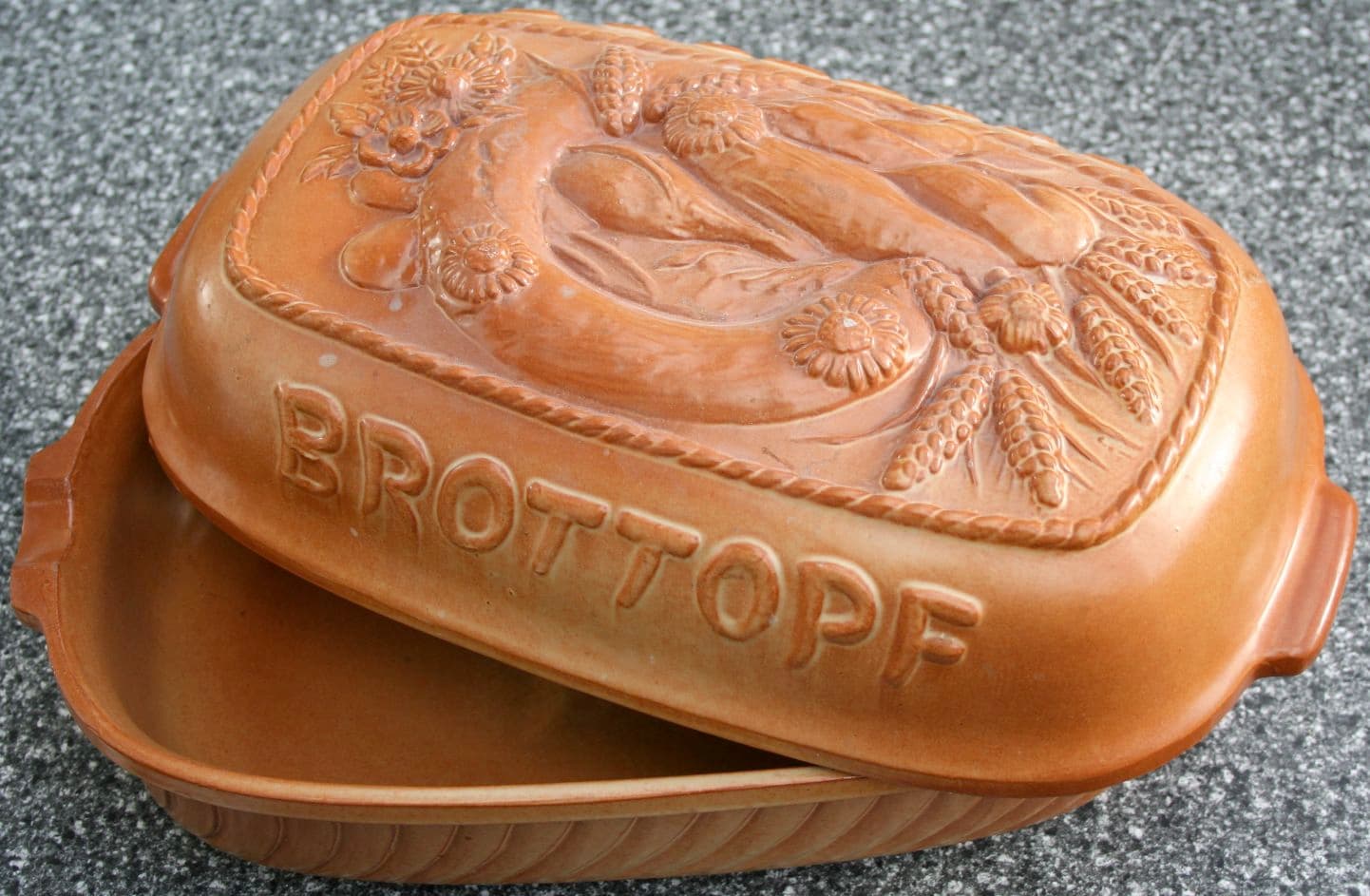
For backed good like roles, bread, etc. was really life changing. They called “Brottopf” in German and are some what similar to a huge partly glazed Römer Topf.
It’s basically a huge clay pot where the bottom is glazed on the inside and the top isn’t. The unglazed lid regulates the humidity inside the pot so your baked goods don’t dry out or start to get moldy.
Edit: They are also really good to defrost frozen bread without it getting soggy.