I’ve been collecting parts for a local AI rig, and finally pulled the trigger on a new old stock ASRock Rack 2U4G-ROME/2T server. Hoping to fill it with Radeon Pro V620s and see what I can squeeze out of it!
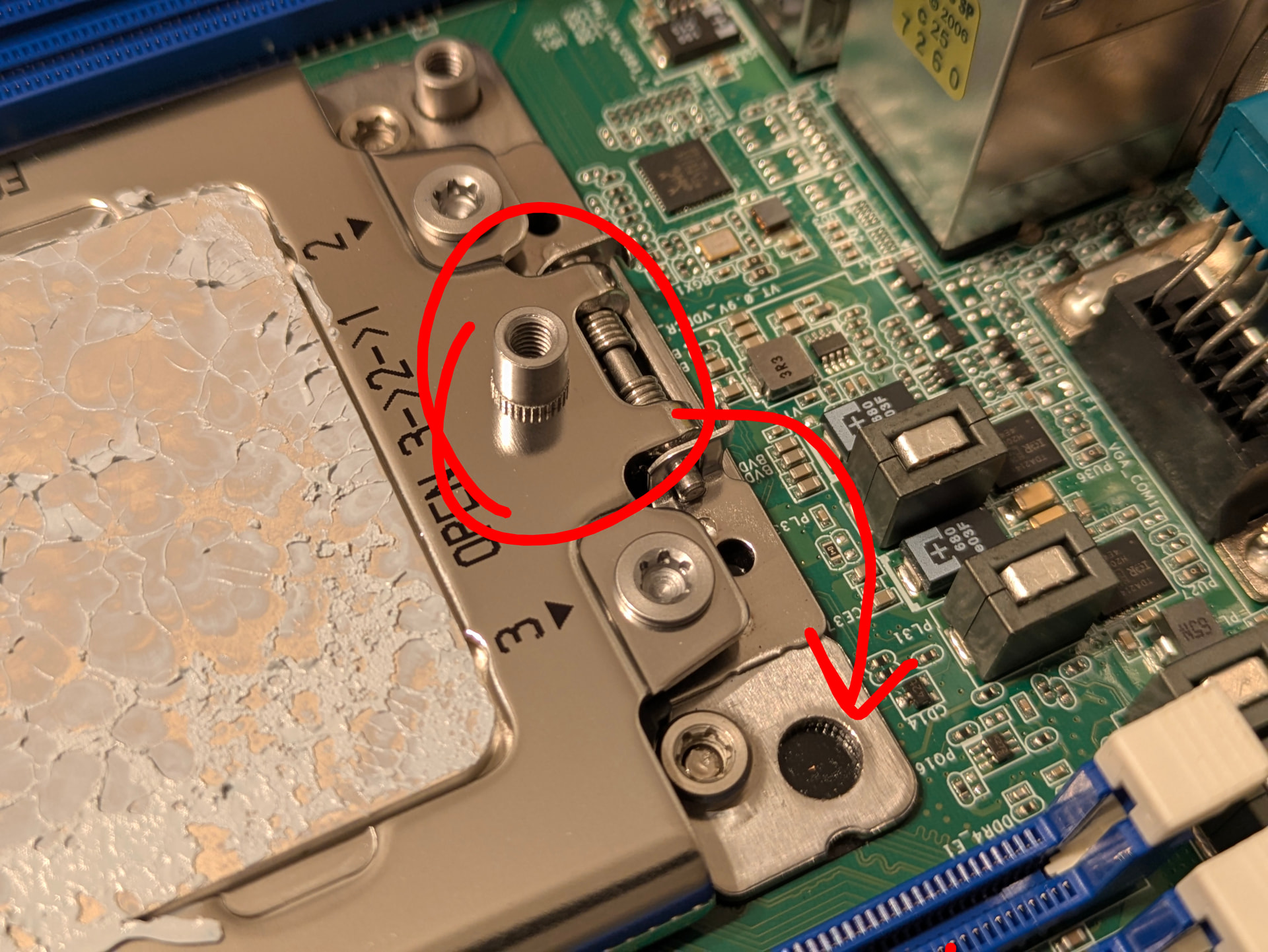
But when I went to attach the CPU cooler, as I was tightening the last corner screw (and yes, I was careful to get all of them started before tightening all the way, I think…), I felt a small pop and the CPU cooler mounting stud had come loose from the socket!
As far as I can tell the motherboard and socket are perfectly fine, I just can’t attach a CPU cooler anymore…
Have you ever seen something like this before? These studs are just friction-fit as far as I can tell, which seems like kind of a silly design, but I’m having trouble finding any posts where this has happened to anybody else.
It seems like it might be possible to replace the outer part of the socket (The ILM, I think it’s called?) since it seems to be just held on with screws. I’ve emailed ASRock Rack support to see what they’ll say, I’ll update if I hear anything back.
Press fits can be impossibly tight, but yeah, something didn’t quite work out here. If you can replace the bracket or the board under warranty that’s a safe bet.
Otherwise, I wouldn’t hesitate to glue the stud in either with some thin superglue or some epoxy. Clean the socket and stud well with some alcohol to get rid of any grease/oil/dirt. You might even remove the bracket from the board first.
After it’s fixed, I’d also tighten the screws on the HSF gradually in turn. Give each screw a half turn or a full turn, then move to the next one in a Christopher Cross pattern.
That is actually kind of concerning. They are using only broach nuts instead of self clinching nuts, and without a shoulder at that which means even in cases that don’t outright fail, they could “silently” slip and reduce the cpu’s contact pressure and cause problems.
I wonder if the Lotes socket is constructed in the same way or if this is a Foxconn only issue?
Since Noctua heatsink mounting screws have a hard stop you can reach quite easily I doubt that this information is gratuitous, haven’t seen that note in Noctua heatsink manuals for mainstream Desktop platforms.
0.6 Nm also is much lower than the Epyc CPU socket clamp mounting torque with its 1.5 Nm.
ASRock Rack support was very quick, they got back to me this morning and offered to send a replacement CPU socket, and clarified to me that this could be done without removing the motherboard from the system. Neat!
I was considering the same thing as @electric_anteater pointed out, you could maybe glue the stud back in, or maybe even solder it back in?
But @twin_savage you’re right, I would worry about potentially the other studs slipping or my shoddy glue/solder job failing (would superglue even hold up to the heat?). I don’t think I could ever rest easy knowing it could come undone at some point and my server could cook itself while I’m away… Also yes mine is a Foxconn socket, I do wonder if the Lotes ones are any different.
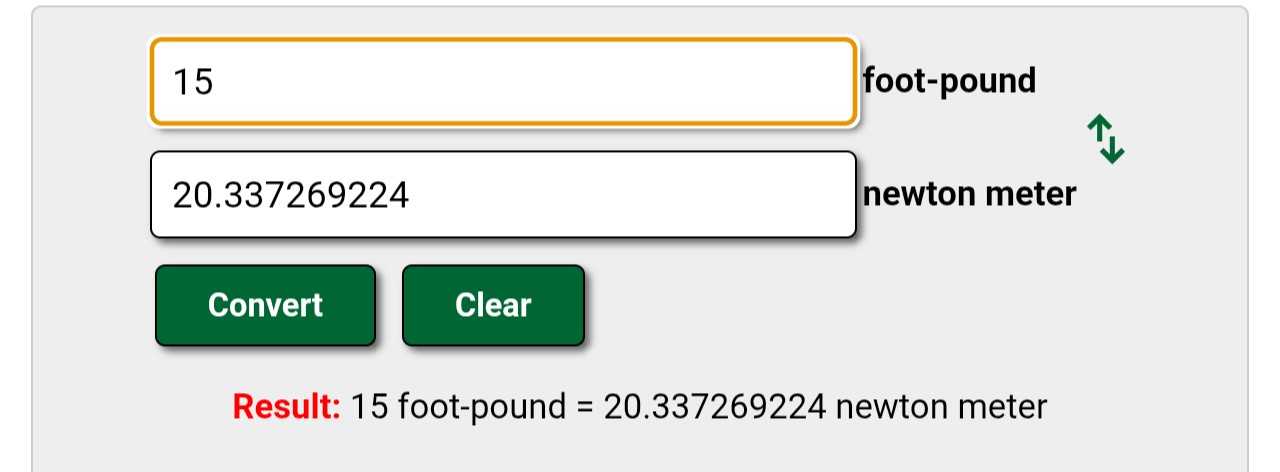
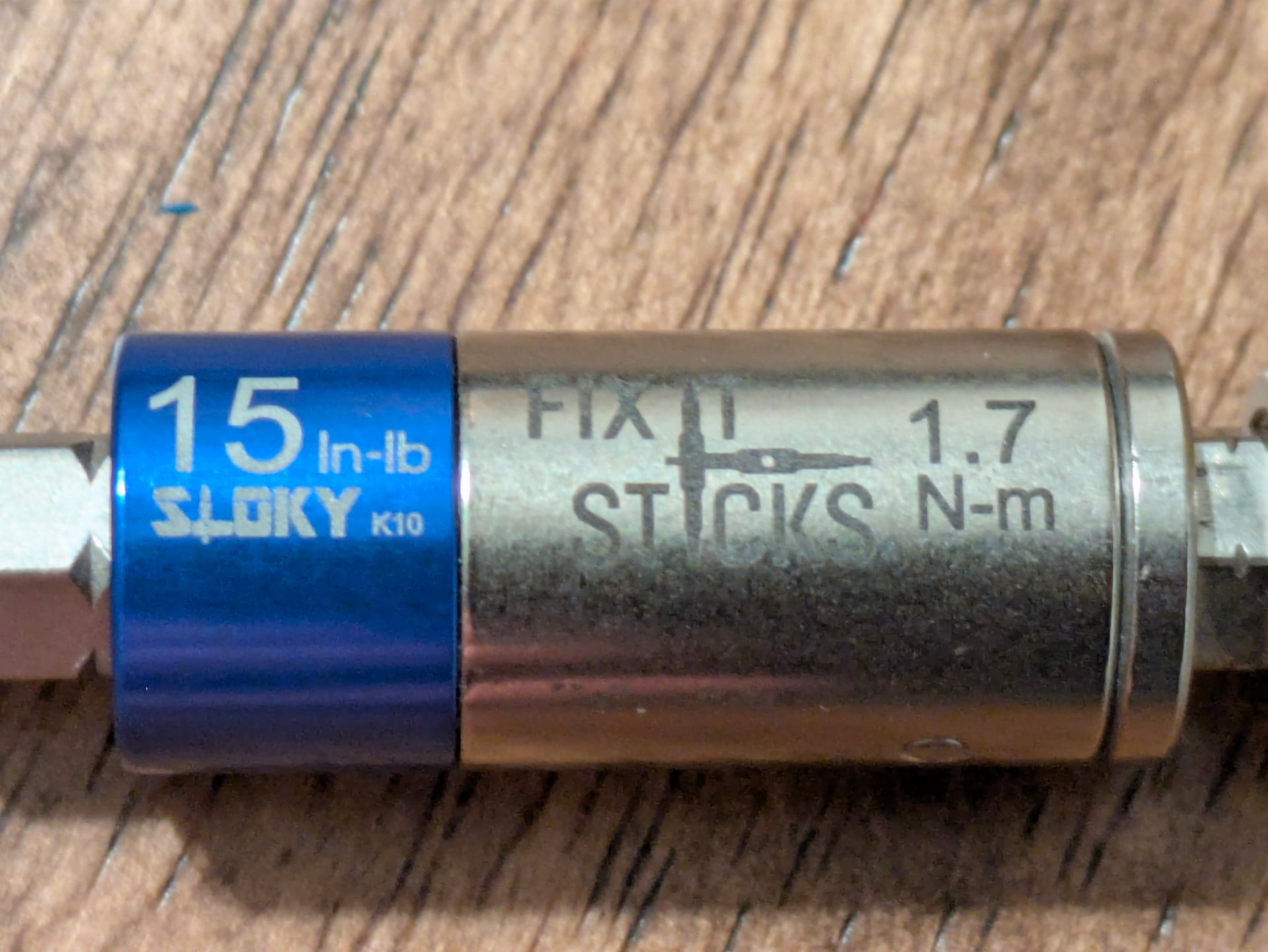
@aBav.Normie-Pleb I had no idea there was a torque spec for the cooler itself! I don’t have an official AMD torque wrench but I do have one of these “Fix It Sticks”, so I used the 15 Lbf one the 15 In-Lb (1.7 N-m) one to tighten the CPU lid down. I could definitley feel the hard stop when tightening the cooler, and I’m going to be very careful about barely snugging these up next time…
AMD actually requires the cooler to have a certain force applied on the cooler. You got here a defective socket. Like everything, perfection does not exist and even with tight quality control, some stuff slip through.
I would advice against simply gluing it as the forces at play here are quite big, rather look for a defective board to salvage the socket, or of course, get a replacement socket from motherboard manufacturer or market.
I wonder if they are designed to break away rather than bending the socket and motherboard when over torqued. it’s the only reason I can see to make it with such an obvious weak point.
I think after you receive the replacement you can run some destructive testing on the old metal bracket studs to see if this was a fluke or all the studs come out easily.
This is not gonna hold. They are not using thick metal plate and metal studs just for show, there is a lot of force involved
It is not a weak point, they are supposed to be strong enough to be impossible to pull out like that without going full gorilla mode and using a lever. If it just pops out like that it’s faulty in some way
AMD would have tested what happened if someone just cranks it down. it would be interesting to do some destructive testing with the old mount mounted to a metal plate to see if the stud is something that breaks away with enough force or does the mount bend.
I had something similar happen a long time ago with a Threadripper 1950x board. My issue was that you couldn’t screw in the screw used to seat the CPU no matter how much pressure you applied. After going back and forth with ASUS it turned out that whole run of motherboards from Foxconn was defective. Just going off of that and your experiences I would say this mounting style seems to be more prone to issues.