Hello guys,
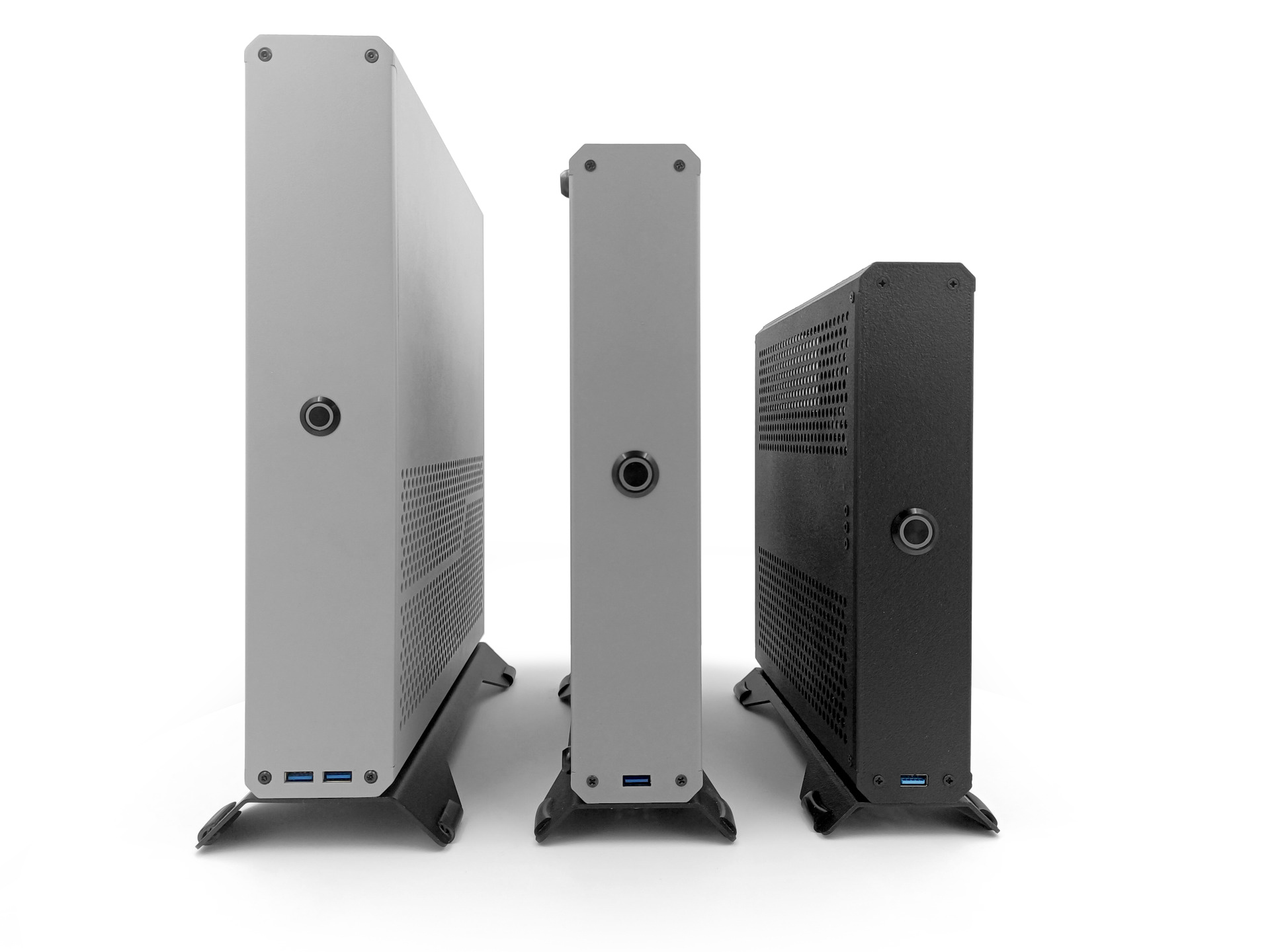
I’m one of the guys that designed DR ZĄBER Sentry and Sentry 2.0 few years back and we’re slowly iterating on another, even smaller console case. I’m not that active here, I’m more active in some SFF-specific reddit and forums, but since @wendell took our prototype to take a look at it, I guess it’s a good idea to start the discussion about our new project here as well.
What’s happened to the SENTRY 3.0 project?
While iterating on Sentry 3.0 we kept seeing cards grow bigger and require more space for the power cable and CPUs got more power hungry. At the same time some actually good competitors came out to support those bigger cards and CPUs needing better coolers.
Making Sentry 3.0 bigger would mean competing against them at price, while keeping the same size as the 2.0 would be problematic for a case that we wanted to be supporting most of the cards in the current generation, which wouldn’t happen with the 12VHPWR mess.
Because of that it doesn’t make sense for us to invest into stamping molds for a case with principle of Sentry which was to support most of what is there on the market, if that’s not really possible thanks to 12VHPWR connector and at the same time we don’t want to make the case significantly bigger just to keep making cases. That’s not the point for us.
Ok, so what is STRICT?
Strict is a case or series of cases that will require strict following of the size for graphics cards - no more oversized coolers and PCB, no more thicker cards, no more additional space for 12VHPWR. On top of that we want to fight for removable brackets and standardised bracket mounts that allow mounting the card to the back wall without them.
Some of the PC vendors like Zotac with their Magnus Mini PC and Lenovo with ThinkCentre Neo Ultra show that they will do the same thing of going away from standard PCI mount approach to optimize the size by getting rid of the PCI bracket on the card and mounting the card directly to the back wall.
Examples of removing standard PCI bracket from the card
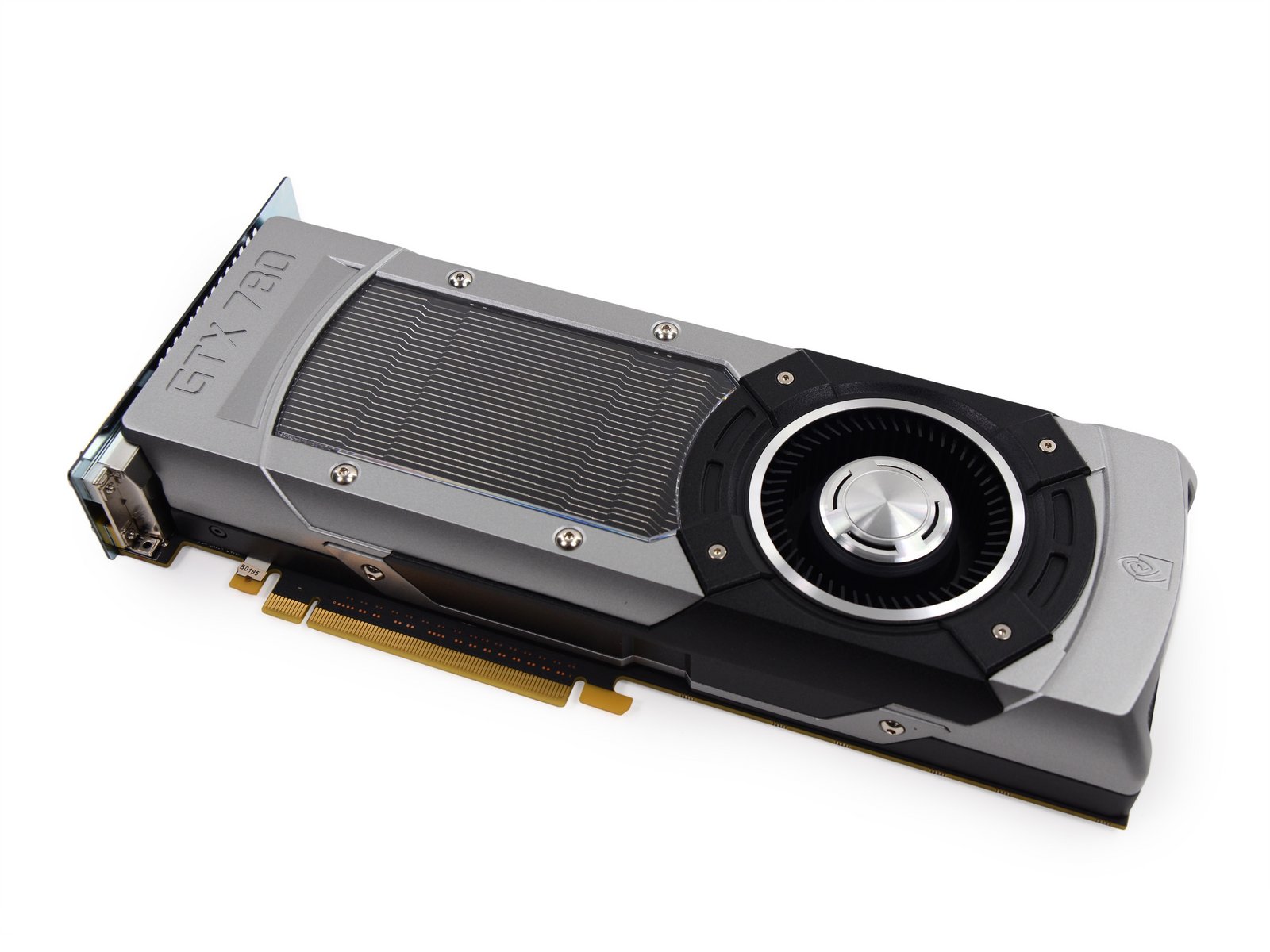
2013 - Valve Steam Machine prototype custom bracket on the GPU (GTX 780)
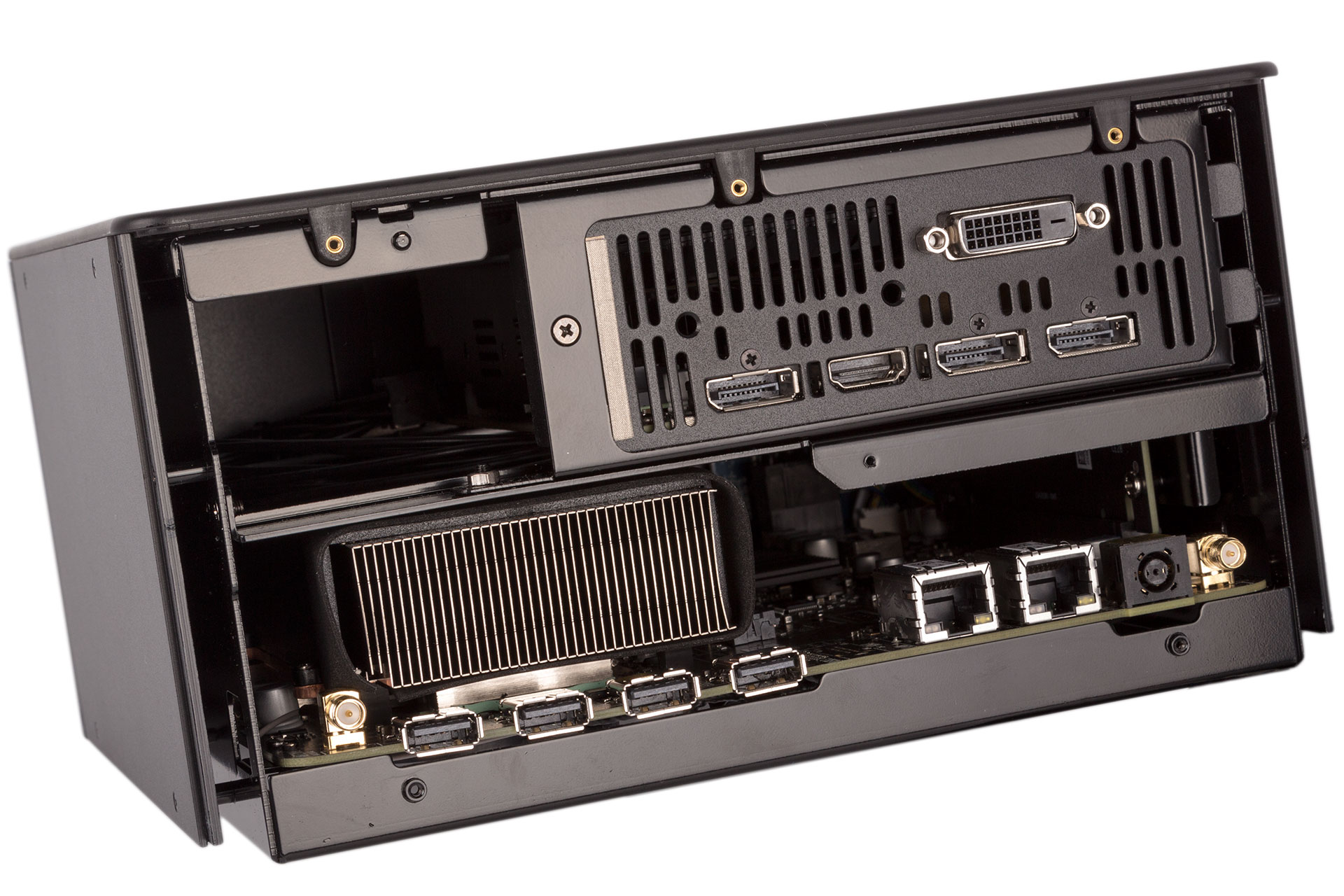
2017 - Zotac Magnus with custom gpu bracket (GTX 1060 / 1070)
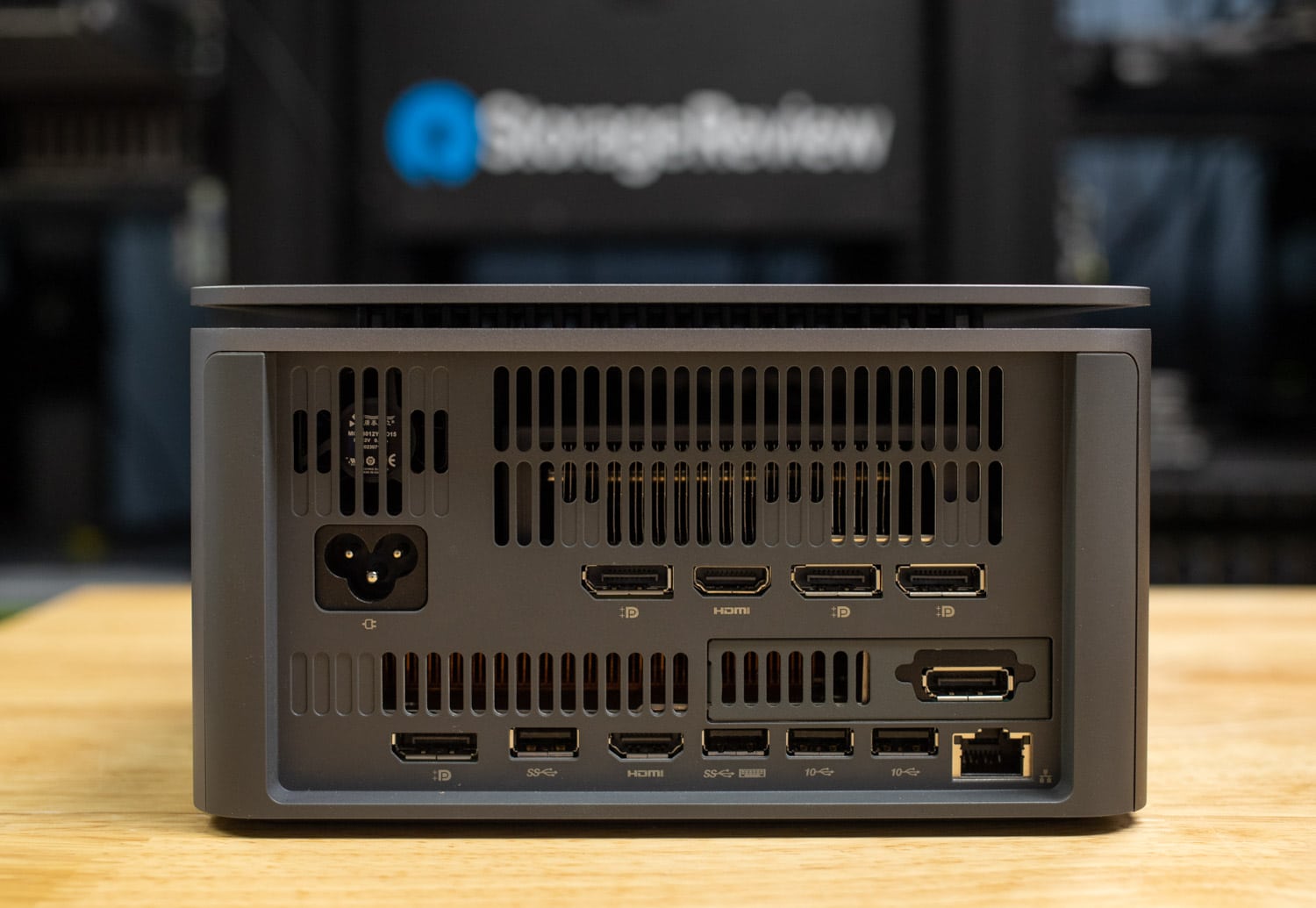
2024 - Lenovo thinkcentre with no bracket at all (RTX 4060)
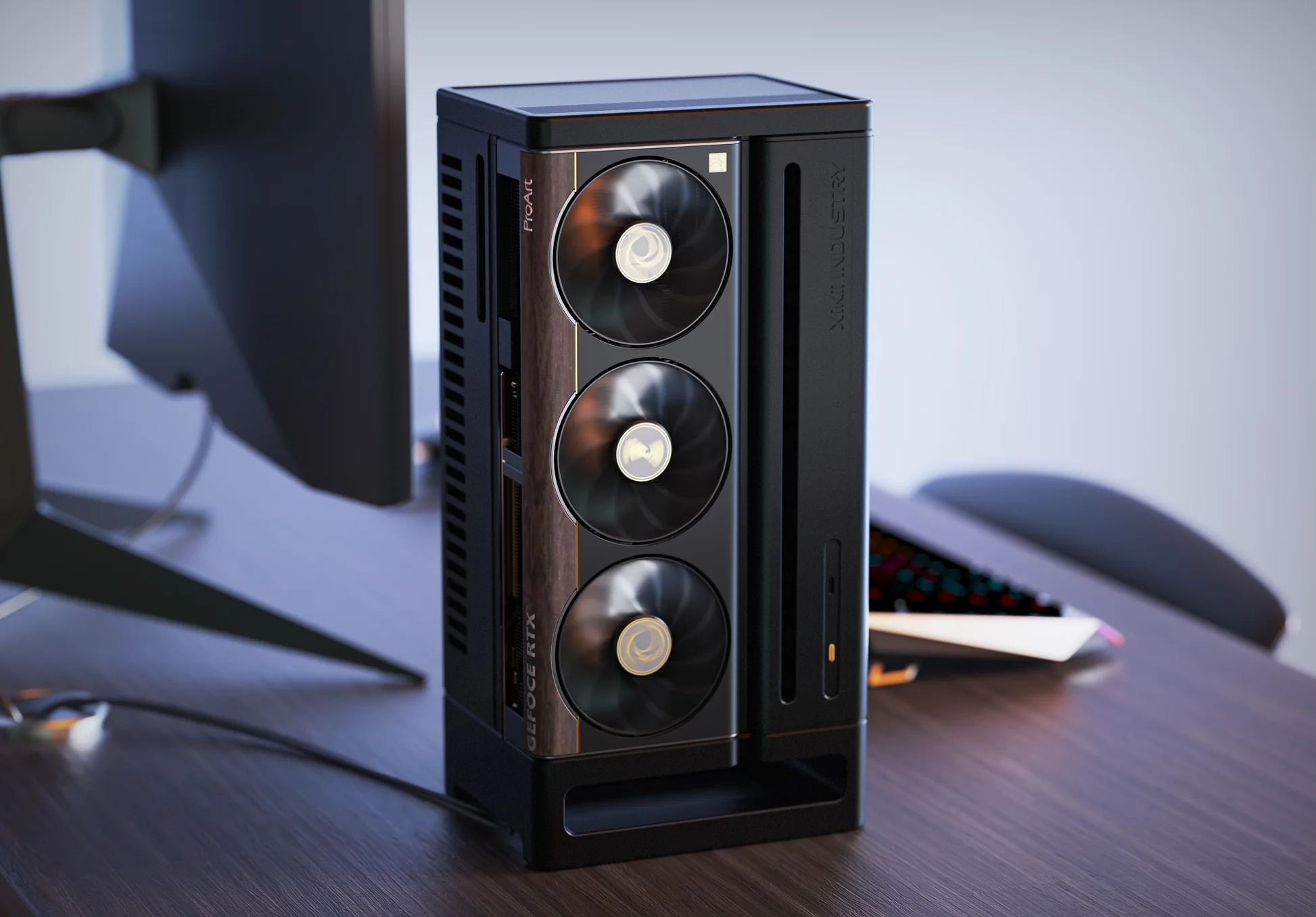
XiKii FF04 with Asus ProArt RTX 5080
Strict is a case aimed at enthusiasts and tinkerers that want to take part in showing that (some of the) graphics cards can and should be standardized in a way that allows designing smaller cases around them. This is how it differs from Sentry - this is a push for a change, so we want experienced enthusiasts onboard first, newcomers and casual builders later.
What is new in STRICT?
-
5.0L now instead of 6.96L of SENTRY, next iteration will be 5.25L
-
Single PCB riser, no two-piece solutions, no custom pieces, no flexible ribbons
-
Removable panels from all sides on a frame, reversible vertical stand mounting
-
Pass-through vents on both sides - no more thermal wall
-
Using FlexATX modular PSU
-
Slimmer - no more 48mm tall CPU Coolers, new case designed around NH-L9 height
-
Reference / pci-e standard card size at 270mm / 10.5” length, two slot wide
-
19mm low profile vandal power switch instead of 16mm standard vandal switch
-
Single USB type-A front panel port instead of two
-
When possible, optional single slim 2.5” drive mount
-
Rubber feet for vertical orientation mounted with screws holding the bigger panel
-
We want to make the parts through stamping with press molds in-house
-
Rivets instead of point welds
-
Stainless steel instead of galvanized steel
Design approach change - pass through perforation instead of heat wall inside the cover
Back in Sentry 1.0 and 2.0 days we were still standing firmly on not doing a pass-through cover perforation based on our tests with the cards of the current generations at the time and on how bigger case vendors also dealt with the problem of heat in horizontal cases.
Even later when Sliger Console launched, Wendell confirmed our expectations in his review of that case, that at the time the performance between both approaches (pass-through vents or limited airflow space around the card) was really close.
We knew though that the case panel would still get really hot in a single spot above the GPU, and the inner wall was supposed to both prevent the hot air getting stuck there.
What changed since then is the fact that since RTX 4xxx we see that most of the more power hungry cards have a bigger pass-through for the airflow at the back of the card.
At the same time it is uncommon now to see a mid-range to high-end card to not have a metal backplate that is dissipating the heat by being connected to the heating up components with some thermal interface, which means they are no more just for the looks, but they also can help taking away this heat by being also cooled with the fan at the end.
Design approach change - riveted frame with panels instead of welded self-supporting body
Sentry 1.0 and 2.0 were saving space and allowing using up the whole GPU compartment because there was no removable bottom panel that would require mounting points there.
While it allowed squeezing in the full 2.5 slot wide cards, at the same time the fans on those cards got really close to the perforation, so under load they had to be loud.
At the same time access to the back of the board got more important - M.2 SSDs got more common with usually the primary M.2 slot being on top because it has room for a radiator, while secondary slots usually went to the back of the board. This means that in Sentry 1.0 and 2.0 a simple throw-in upgrade adding more drive space with a second M.2 SSD means tearing out the whole motherboard which is not user friendly.
The rivets followed this change to a frame based construction, as we wouldn’t have them at the front of the case anymore like we had the point weld spots.
The first prototype
To explain why now case is 5.0L in volume while it’ll get bigger to 5.25L - first we wanted to push for this exact size and it was our last effort to try and make the case without stripping the PCI mounting bracket off the cards, while also using a single PCB riser to make the case smaller.
We wanted to use the “feature” of Asrock ITX boards that allows installing cards with a single PCB riser with intrusion of the PCI bracket ends into the reserved ITX board IO area thanks to a small gap in it since around B550 AM4 asrock boards came out.
We also wanted to stick to the SENTRY PSU and graphics card mount layout with how the middle wall was constructed to also support 2.5” mount and some common size of the USB cable as front panel USB connector.
Because of still using the cards with the bracket, figuring out a place for the power connector at the back got complicated and we went for a lower riser, the Supermicro RSC-RR1U-E16 and a molex connector at the back to fit the power connection above the PCI bracket.
https://www.youtube.com/watch?v=xl_ARafXMkM

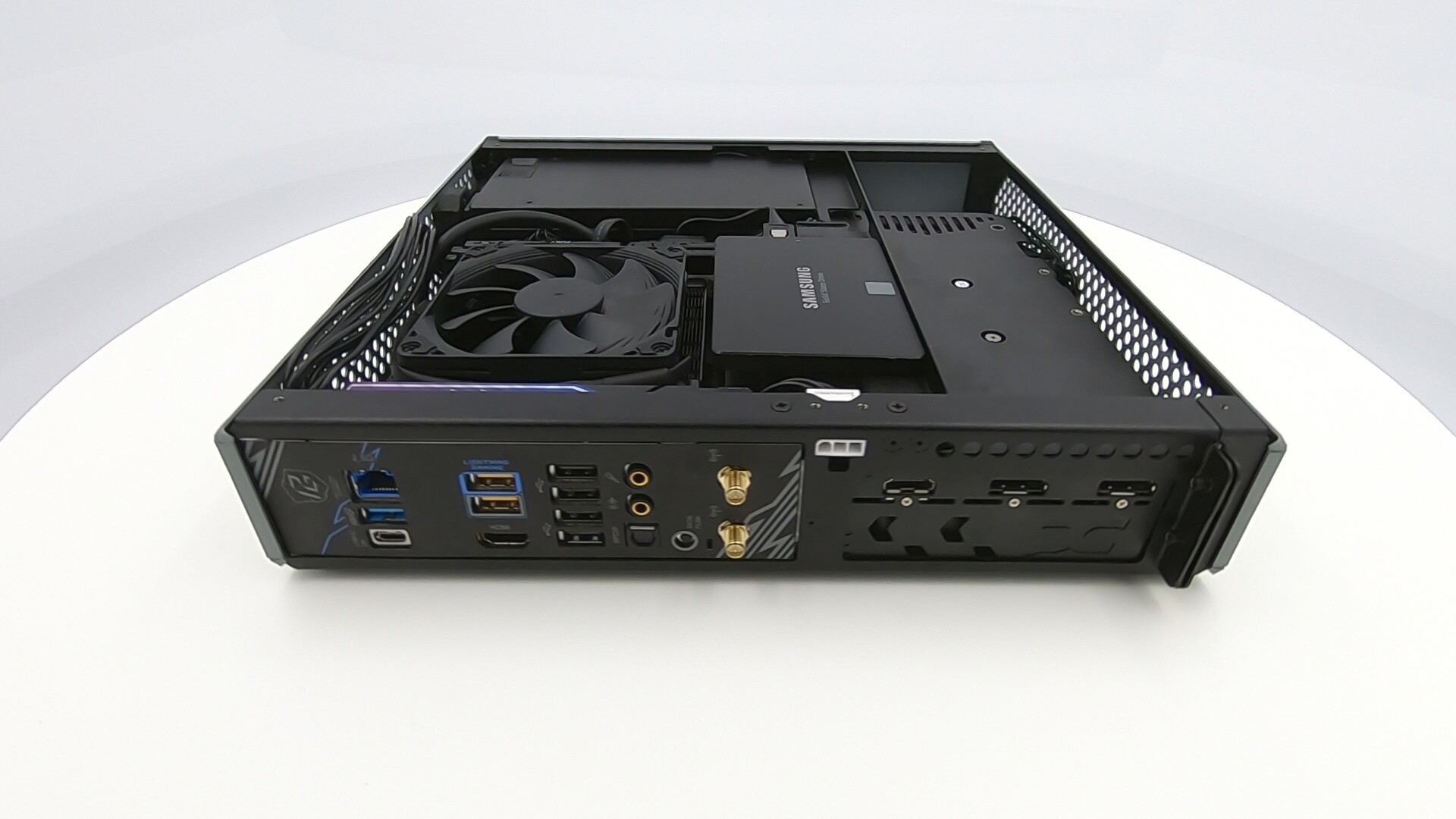
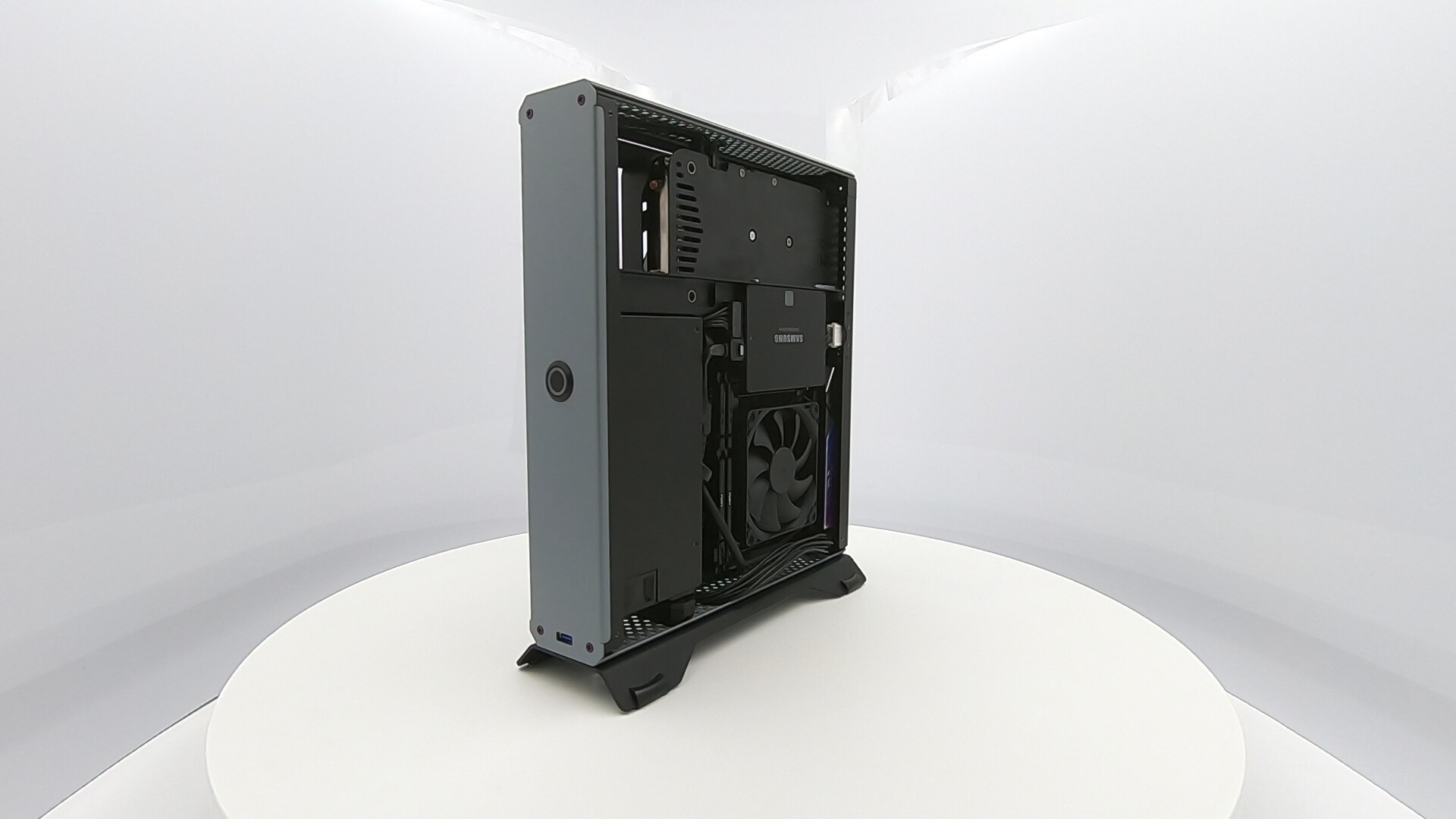
The problems of the first prototype
-
Asrock got problems, at least perceived, of burning CPUs, so a case that is initially supported just by their boards got little sense right when we made the prototypes
-
Lower pci-e riser meant just 2-slot cards and the fans on some of the cards got loud when close to perforation. Also that riser is not a common size and just pci-e 3.0
-
The molex connector requires a dongle, which is not ideal as another piece to lose, but more importantly even the neatly overmoulded cables are not specified for mains AC use at home outside of the device, and there’s no variant that would have more covered pins from the front for more home use safety with mains AC
-
The USB front panel had to be mounted onto the frame before the front panel was attached, which had a power button in it that had to be connected afterwards, while there was already a PSU inside so the USB front panel would be installed after the PSU
-
Exact 270mm / 10.5” length of the card got cumbersome with some interesting cards like intel’s B580 being released just slightly longer
-
In the way the middle wall is constructed following the Sentry design, removing the graphics card from the riser slot is cumbersome because of the riser’s spring latch
Still, this prototype is a good example showing the problems that the bracket causes for cases like this, and while we’re iterating on the more refined design, we have reached out to some youtubers that reviewed our cases before to see if they want to take a look at the prototype and give feedback. @wendell responded to the call and hopefully he’s preparing a build in it now.
https://www.youtube.com/watch?v=3fXpaqDXP_I
https://www.youtube.com/watch?v=l91xAKr5lIg&t=754s
The next iteration - what will be different from first prototype
-
Common 40mm tall PCB riser, aiming to support two layouts of mounting holes
-
More distance for the card fans from the perforation, 2.5 slot cards could be a tight fit
-
Slightly thicker to make a bigger gap between NH-L9 and perforation
-
Slightly longer to allow loose fitting for cards slightly longer than 270mm
-
Graphics card mount without using the PCI bracket system, no protrusion at the back
-
IEC C14 power connector thanks to removal of the PCI bracket from the card
-
Low profile PCB-based USB front panel with type-E connector on the motherboard side - no more USB 20-pin support
-
Improved middle wall - better access to riser and easier PSU mount
So what do we want from you if we don’t have the case ready yet?
-
We want to figure out how big of a deal it is to expect enthusiasts to remove the bracket from the graphics card and use the card without it. What are your concerns about this?
-
Do you have a problem with a case supporting only PEG 8-PIN cards or 12VHPWR ones only through an angled connector? What are your concerns about this?
-
What about the limit of reference/standard size only cards? How big of a deal is it for you?
-
We also want to know what would be your expectations performance-wise from a case like this - what CPU and GPU would you want to fit inside? How many drives? 2.5” Drives?
Even smaller STRICT case concept proving the concept of standardised card sizes
As an example of the principle of mounting the graphics card without the PCI bracket, we’re also working on an even smaller, 3.3L in volume case, that is using the low profile cards.
https://www.youtube.com/watch?v=PHe8-ojAxTs
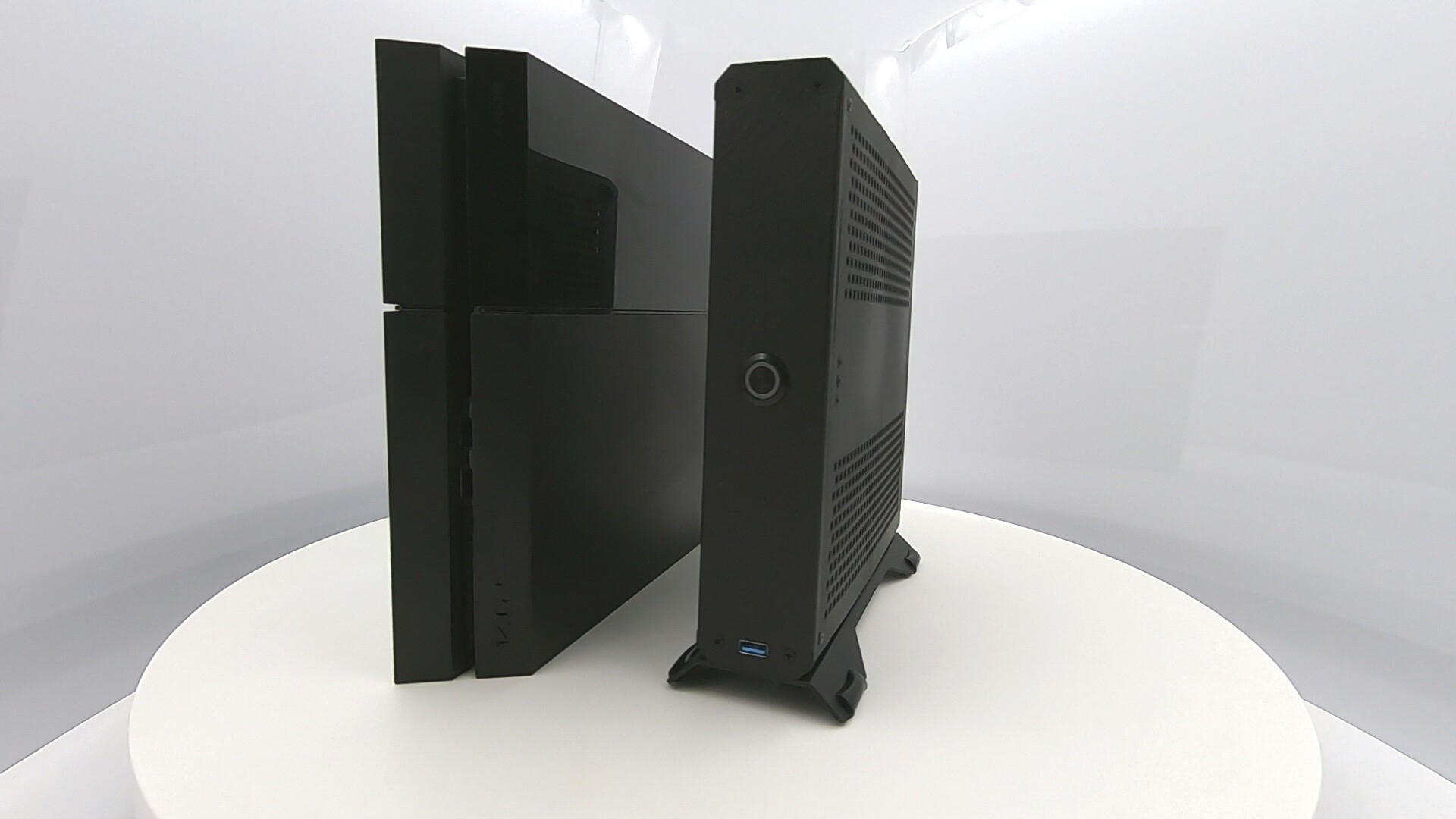
The low profile cards come in a standardized size and with an option to swap the PCI bracket between full height and a low profile one which is ideal for showing where we want to get with the full height, but not oversized cards, or at least where is the starting point of it.