A year of... not really many changes. Which is a good thing!

As I outlined a year ago, I (finally) decided to fully switch over to Linux and ditch Windows. At least at home!

And over the past year, I pretty much kept the setup as I had it… Desktop running openSUSE Tumbleweed and a media/secondary with Leap.

Actually, I didn’t really have much of note in my experiences this past year :sweat_smile:
I mean… I’ve had some minor hickups with drivers and compatibility. There was an AMD graphics driver which didn’t quite run well somewhere last autumn, but that only lasted a couple days at most and didn’t cause too many problems. And the compatibility was mostly with game updates which needed a couple days before it all got patched for Linux.

All in all, I would say that there isn’t much different in my day to day use when compared to Windows :thinking:
Which, I think, is just fine!

I’ve been keeping tabs on openSUSE Slowroll as well, which I probably want to switch to when it actually gets a more properly supported status. Because for most of my use, it would be fine in “update speed”. And it would get me away from that one driver issue.

For the NUC, I’m perfectly happy with Leap. Though I do kinda get confused at times with differences between the older version on Leap than on Tumbleweed… I can quite clearly see the speed at which things get updated between those, which is also a nice thing to notice.

One thing I’d do differently if I’d do a clean install right now, is to create a separate /home partition :thinking:
Over in Windows-land, that isn’t really useful (most of the time). But for Linux, I have noticed that due to how most of the user applications live in /home, it does make it easier. Especially on for backing up parts of the user directories in how I have things set up at the moment…

One thing I did notice, is that this transition was a lot easier for me than for my spouse… There were a couple more issues with how X11 and Wayland handle games differently. And updates regarding anti-cheat especially.
And general navigation of desktop applications as well. Like how using Dolphin as files explorer but Gwenview for images didn’t work too well. There are some things from how she’s used to things in Windows which don’t directly (or at least intuitively) translate to using KDE.

It made me think about how in a lot of ways there still is quite a gap in usability design between Windows (and OS X for that matter) and Linux DEs. And yeah, I see that it has improved a lot over the years. But when I see Linux people say that even installing it has become so easy, then I do think that those people might be more out of touch from what the “average user” does on a pc…

All in all, I’d still not advise my less tech-savvy friends to switch over in that regard. But I’m perfectly happy with having made the jump myself!
So to close; yes, I’ll keep using Linux. I don’t see any reason to go back, now that my games run well enough and don’t require me to dualboot (I absolusely refuse to do that…).

5 Likes

Congrats :slight_smile:

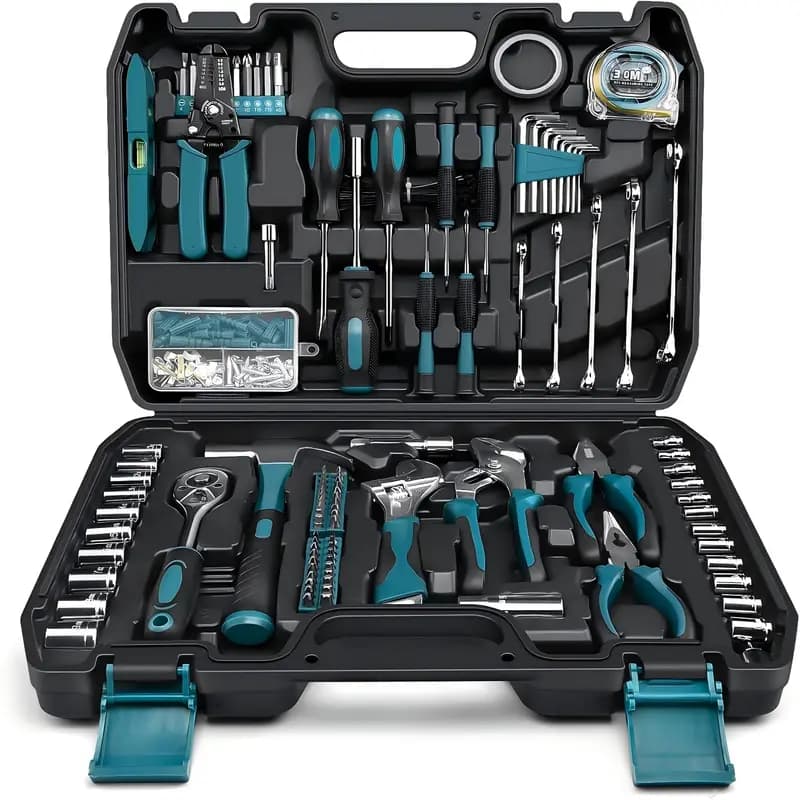
One thing I have noticed with Adobe and Office… When most people say they really need it, most of the time these two applications provide this:

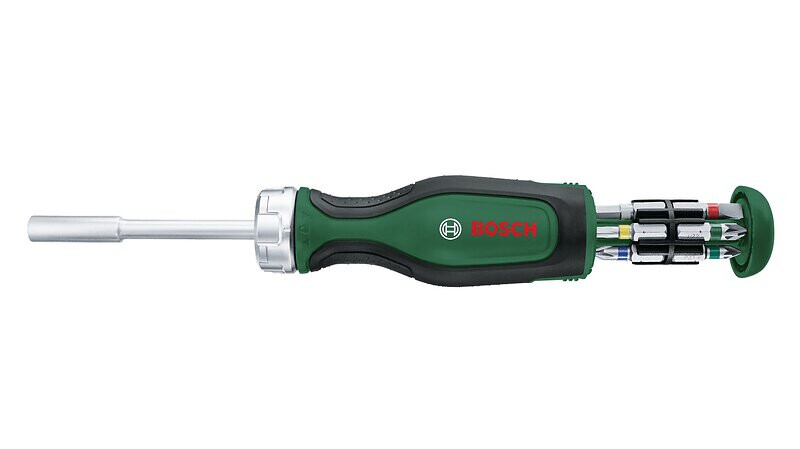
But, most people actually just need this:

Don’t get me wrong, there are people that definitely require that full 300 part toolset. But 99% of us do not need that, and in fact are happier with a simple screwdriver - easier to figure out and fits most use cases. When 99 times of 100 you reach for the screwdriver in your toolbox… Is it really worth it to pay more money for the rest? No shame if you say yes, just some food for thought.

1 Like

Very true! I need a couple specific things from the suites. Specifically Acrobat Pro for creating automated PDF forms. Word, Excel and OneDrive for working together in documents on SharePoint/Teams. And Outlook, because the webclient is absolute garbage and I can’t run it through Thunderbird.

Well, it is easier to install than Windows at this point, particularly if you’re going directly for the “wipe everything” install. For the most part, your hardware is either going to work immediately or never (and the list of “never” keeps shrinking) with fairly little hunting for other stuff, which hasn’t been the case with Windows for the most part for me.

Of course, most Windows users just buy a system with it preinstalled, so it’s irrelevant when we’re talking about true “average” users.

1 Like

Exactly… the actual average user will never install an OS. They just have something on the device (primarily laptop nowadays) they buy and will never even look at updates. If they actually realise that they can update something, they’ll have it done by non-average-users :joy:

If I look at how the average user at my work handles their laptops. Or with family/friends…
Then Linux will never be an option, because they can’t just go into a store and buy a machine with it pre-installed. Except for a Steamdeck maybe… But I’d argue that the people who buy one of those aren’t really average (anymore) :thinking:

We’re not here for your friends, we’re here for you! :heart:

For me it has been 3 years I think…but the first one was the most interesting. I didn’t go with Tumbleweed but for the then new and shiny Gaming Linux. So thumbs up for picking Tumbleweed+Leap to get both desktop+server started.

I smell zypper not liking your choice of obs repos :wink:

Linux just has a different focus. And although I like and prefer a lot of design from a from a tech-savvy perspective, I know this wouldn’t ever go well with average joe. I do not ever recommend Linux to friends+family. Some like to look and see how different it is, but I often got multiple terminal windows open, so that obviously scares people away :wink:

And rightly so. Dual-boot is a flawed and stupid concept to begin with.

To me, the reasons just got smaller and vanished over time. In retrospective, felt more like withdrawal symptoms. I can never go back. My old Unix retro-vibes from Solaris7-10 days brought me back to where I was always good at. And I don’t game as much as I used to anymore, certainly no competitive stuff anymore. So that let me bypass a lot of AntiCheat troubles many others had/have.

Same here. But I got used to it. Tbh I got warmer with most of the KDE apps over time…I hated spectacle and Kate. But those two are now my trusted companions for everyday mundane tasks :wink:

Windows-free household here too. Feels good.

So your one-year Linux challenge is over. Any future plans and new things planned?

1 Like

:smiling_face_with_three_hearts:

It’s not that bad! I had some graphics issues with Dragon Age Veilguard when it just released. There were some bits in the cutscenes which crashed me to desktop each time one came up. It was on the first week or so after release and I just waited a few weeks till new Proton versions fixed that. After that it was just fine.

All through the year, I have learnt to greatly appreciate the effort put in by the LUG (Linux Users Group) org for Star Citizen! They maintain a tool which configures runners and scripts to make sure that the game runs as smoothly as possible. And after game updates, they generally take only a day or two to get an updated version out.
I mean… Star Citizen has its fair share of issues on Windows already, but there certainly are a few hoops to jump through on Linux to get it running properly.

And for my spouse Genshin Impact… They at least don’t automatically block/ban Linux player anymore, which was a prerequisite for even switching over.
But there was an issue with the launcher not running, which prevented updating. And because it is an online game, you need to update to access the game. :expressionless:

So, not really anything weird in my repos themselves! :sweat_smile:

I plan to freshly install the NUC once Leap 16 goed gold in October. As I said; I want to separate out the /home this time. 16 is supposed to be a fairly substantial update, so I might as well do that on that one first to see how it works out.

For the desktop I think that I’ll leave it as is for now… I’m thinking of looking into upgrading the that system somewhere next year, so I don’t want to have any hassle with overhauling it now when it is running fine anyway.
On a new machine, I might just go old school and use a smaller SSD to run the system and get a larger one for the /homes :thinking: That’s how I’ve done it for years over in Windows land. At least before SSDs became a thing, then I just stuffed everything on one disk.

Planning to go all open source on my phone as well. Though I find Fairphone quite expensive for how little I do with it. And Volla’s offerings would need an update before I consider those :thinking:
But yeah… continueing the trend of cutting off the big tech where I can!

1 Like

I went with a cheaper low-power DRAM-less 500GB drive for / ,swap and all the snapshots. Root drive doesn’t need much really. And “proper” drives for /home, although I’m moving more and more towards just running /home over the network. Linux is great in mounting and running everything you want wherever you want.

Lack of “drive letters and network folders” makes this super transparent and seamless. It’s all one nice tree where stuff is where you want them to be.

I certainly had my fair share of package incompatibilities when delving too much into OBS. It’s basically our AUR. I always salvaged everything and I never had to reinstall the system. Mainly thanks to zypper and snapper :wink:

Got a Fairphone 4 for 3-4 years now. Not open-source, but basic reference-style android distribution without vendor BS (coming from Samsung that was worth a lot to me). Battery could need a replacement next year, other stuff is still fine. I don’t care about camera tbh. Wasn’t cheap, but I use my phones 5+ years, so 50-100€ isn’t much in the long run. And this baby will probably make 8 years, no reason to ever replace it.

I do use KDE connect, nice little helpy thing.

I have some VMs I may transition to Leap. But I wanna see 16 first, beta looks promising, we’ll see.

1 Like

The NUC now has a 500GB SSD, which is way more than it needs… I have a NAS which has all the documents/photos/media stuff on it, which I mounted with NFS to be directly accessible. That works great, so I plan to just partition that one drive for / and swap, with a separate partition for /home. If that works well, I’ll do something similar with separate drives for when I upgrade the desktop.

NFS mostly fine, though on the NUC/Leap I do have some weird thing where I can’t get a specific folder from the NAS mounted. I checked a couple times and the folders on the NAS have the same rights, but somehow I can’t set them through YaST or fstab :man_shrugging:
With how little I use those folders, it doesn’t really matter in day to day use. But I do think it is strange that it doesn’t work… I’ll try again after the clean install with Leap 16.

I had a Nokia in the past, which (then) had really nice stock Android. Using Poco/Xiaomi currently and that works fine as well.
But I’m still annoyed that you can’t just use Android without a google account. The only reason I have one, is because I want to use a phone :expressionless:

So I was looking at the e/OS model. But €650 for a phone, where I tend to spend about 200~250 is a huge markup. I tend to use them for about 3~4 years and even if it would last me double, it would still be expensive.
Volla has options which are nicer in price, about €400… Which is still a lot more, but “only” double instead of triple :persevere:

Slight update!

As I mentioned before, I wanted to update the NUC to Leap 16 and in the meantime I got myself a full system upgrade as well. So, I had the chance to look at how I use things and make changes according to my experiences so far.

The NUC just recently got the upgrade (because I had the new desktop to play with) and I made some changes in how I set things up.

In an effort to get rid of Plex, due to needing their services up and running to use all my local stuff, I switched over to Jellyfin. Because there aren’t any native packages for openSUSE I first went for the flatpak server. But getting that auto-started and running turned into a bit of a hassle. So I tried another new thing; containers!
Leap 16 includes system overviews through Cockpit and that has Podman integration. Which made the choice between Podman and Docker quite easy…
So now I got rid of Plex and have a Jellyfin server up and running! :partying_face: I do have to get used to the different interface, but once I overhauled my media libraries it does look good with all the automated metadata aggregation.

With the new install I also managed to fix the NFS weirdness I had before. Overall a good switch!

And the new desktop I switched over from Tumbleweed to Slowroll. Slowroll got an actual mention on the openSUSE main page as an experimental build for now, but with my previous testing I’m confident enough in it to use it for a daily driver.
I had a fierce battle with the RGB options, because I couldn’t get openRGB to see the ARGB headers on the system. So I ended up resorting to a quick Win11 install on a separate disk to set those up and detaching the disk again :sweat:
I wanted a smooth static colour anyway, making that all a single setup thing anyway.

And so far… I like the new setup a lot. And I have noticed that at work I’m getting more and more annoyed with some of the Windows quirks I keep running into :persevere:
I’ve always known they were there. But because I was just working around things on a daily basis, they were part of normal work routines. But as I mentioned before; I’m stuck with a load of Adobe and MS things I can’t work without, so no option to switch there.
Although I might try to run a secondary laptop along side my primary one to see how far I can get :thinking: I’m due for a new one next month and maybe can use the current one for it…

And I even got my spouse used to Linux enough that they said that their next system will be openSUSE as well. Currently using a Surface tablet for easy couch surfing. :grin: