Hi everyone,
So let me preface this with that I am a bit of a privacy absolutist. I believe that any level of tracking what so ever is unacceptable and intolerable, and I attempt to avoid it at any cost.
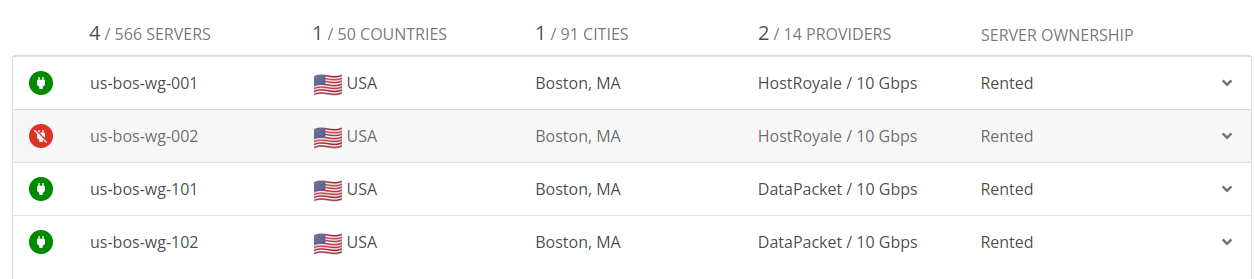
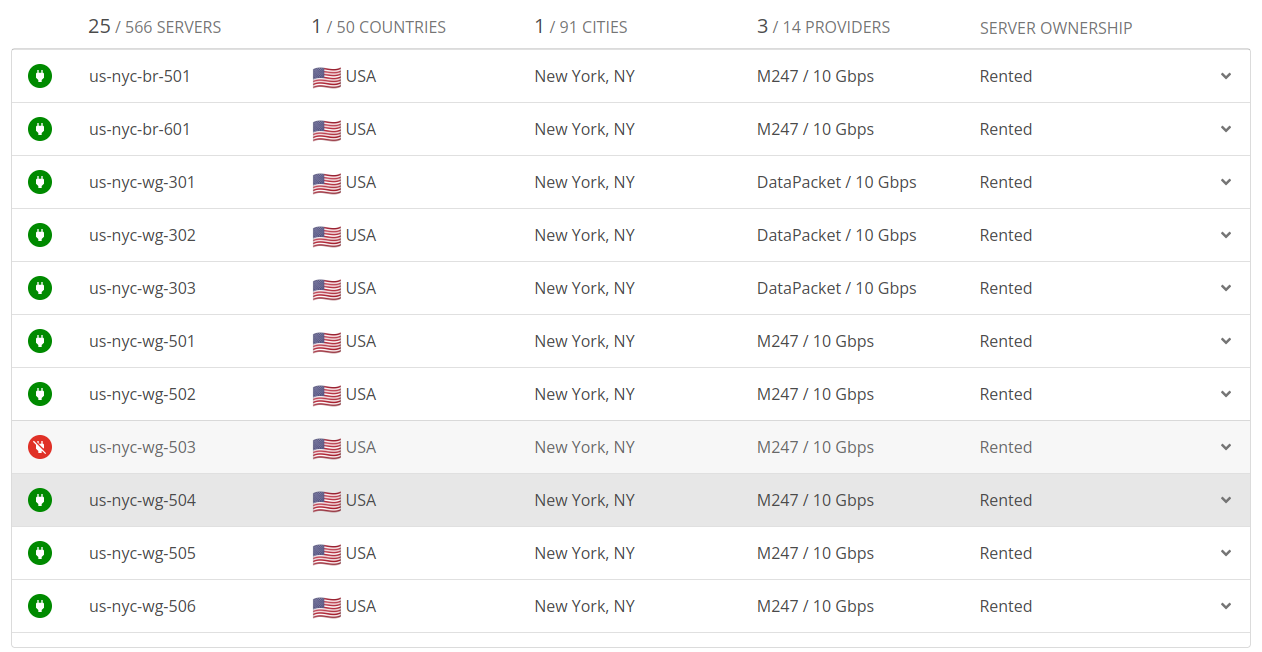
To that point all of my traffic is routed at the router level to a trusted no-log VPN service (Mullvad), all of my browsers are LibreWolf (or Mullvad browser when that fails me), I don’t use any cloud services, don’t use any remotely hosted AI, and host my own SearXNG server in order to avoid/minimize search tracking.
This is all good and well, but a problem that continually bites me in the ass is that the Mullvad - while an awesome VPN provider - can’t avoid the economics of scarcity when it comes to IPV4 addresses. My exit point is used by lots of their customers. Some of these customers are up to no good, and legitimately get reported for abuse. In other cases, many sites assume the worse when they see multiple users originating from the same IP address, and assumes that means there is some sort of abuse, and automatically flags the IP address.
Either way, this means that my legitimate desire to remain as anonymous as possible as I navigate the internet is being falsely labeled as abuse and I am often blocked.
Today - for example - my SearXNG instance is useless, as suddenly out of nowhere, I am being given errors on all of the upstream search engines.
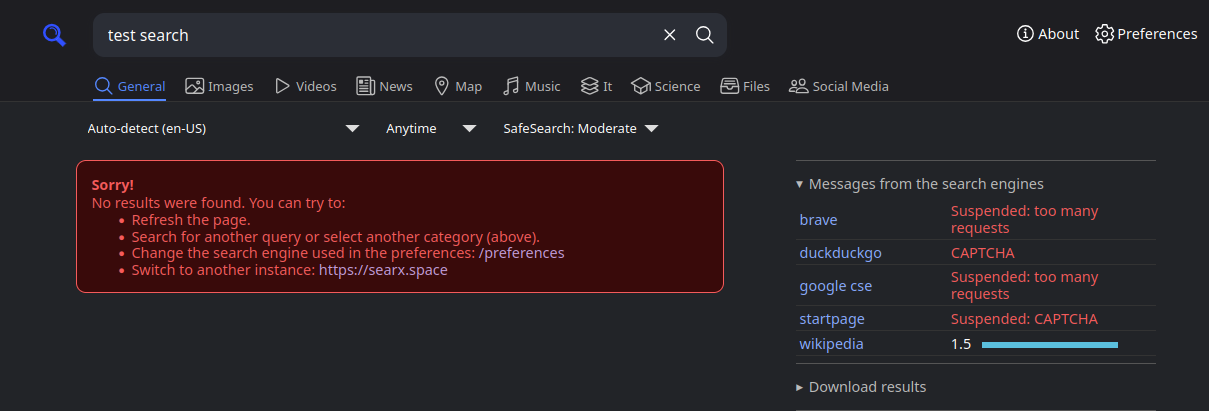
…and checking the mullvad external IP reputation on abuseipdb.com confirms that the address now has an abuse rating of 51%, which is probably the cause.
At the same time I have been a very late adopter of IPV6. I simply have not built up the level of trust necessary to embrace it yet. Something about devices on my local network having globally unique external addresses just makes me really queasy.
I am used to thinking as my local LAN as just that, a local network. It may just happen to be connected to the greater internet via a gateway, but it is not a part of the internet, and I can’t help but feel like forcing my devices to have globally identifiable IP addresses is the outside world trying to shape my LAN, which I really don’t like.
But this annoyance with IP reputation is really starting to become quite bad, so I am looking for ways to improve it.
Which begs the question. Does anyone know how VPN providers like Mullvad handle Wireguard tunneling for IPV6 users? Do they do it the same (bad) way as with IPV4 and use NAT66 to give all users of an exit point the same external IP address, or do they take advantage of the more plentiful IPV6 addressing to provide more exit IP addresses for the same server?
If it is the latter, it might actually help avoid the bad IP reputation problem as it should both reduce the chances of false positives (due to fewer people using the same IP) and should help reduce the risk of sharing the same public address with someone who is up to no good.
Thoughts? Will switching to IPV6 for VPN purposes help with this problem?
Appreciate any input.