Linux is old (35 years!), boring, status quo, and achieved mass success over a decade ago in a few domains (appliances, servers, phones, (net/chrome)books, but not really the desktop!).
Redox comes to mind as promising, but maybe operating system innovation will stall with our UNIX compatible/cloning GNU/Linux systems. Maybe the OS doesn’t matter anymore. Fuchsia exists too but it’s unclear where it will go, Google recently picked for a Linux (again) for the successor to ChromeOS.
RISC-V may rise.
Rust was a new up and comer, with it’s inclusion into Linux, Chrome, soon Git, and popularity in big tech companies I think it’s already achieved success.
LLMs seem the elephant in the room, they are newish but very mainstream, so mainstream we have no RAM left and somewhere over 1,000,0000,0000,000 USD floating around in those circles.
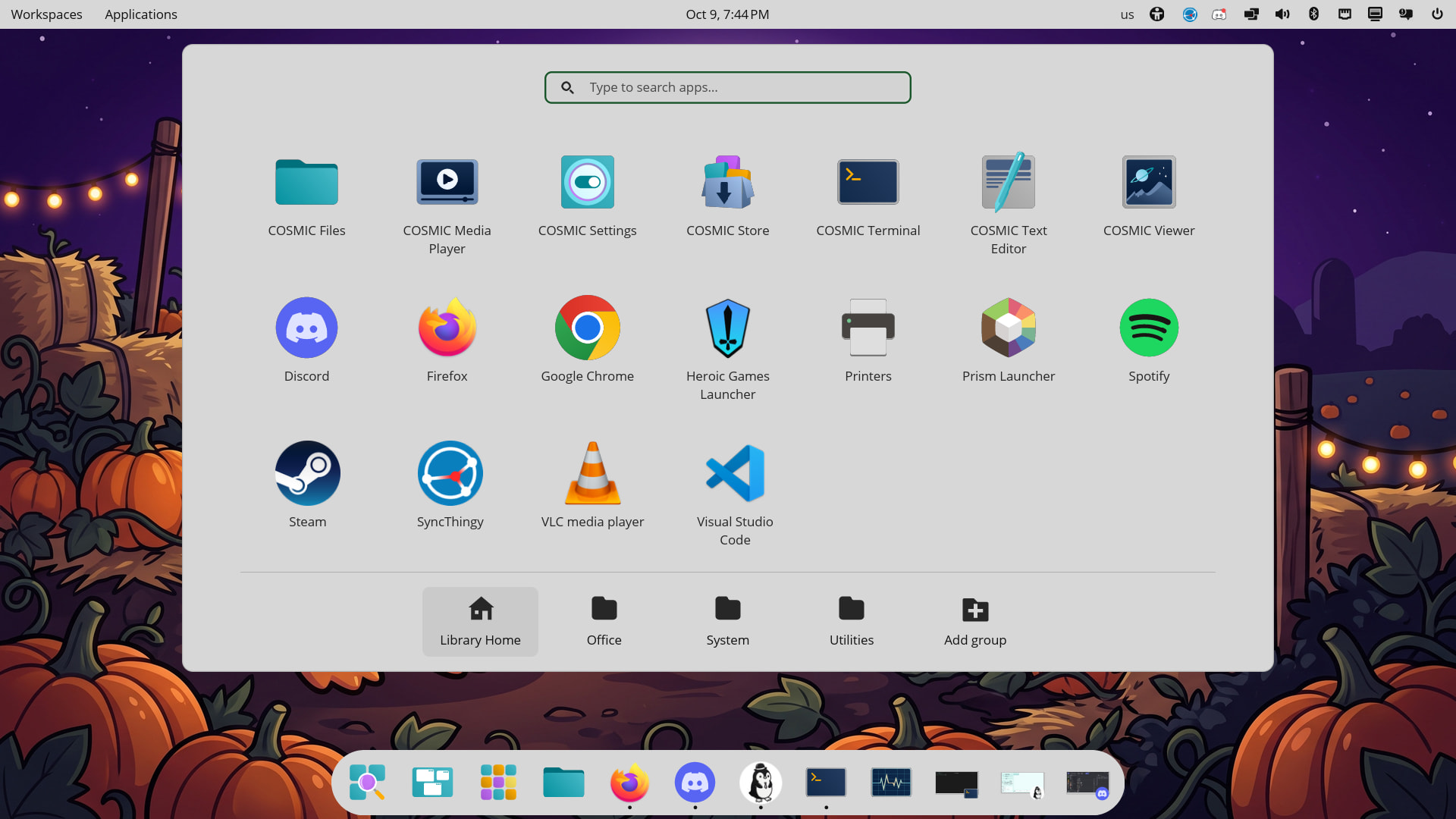
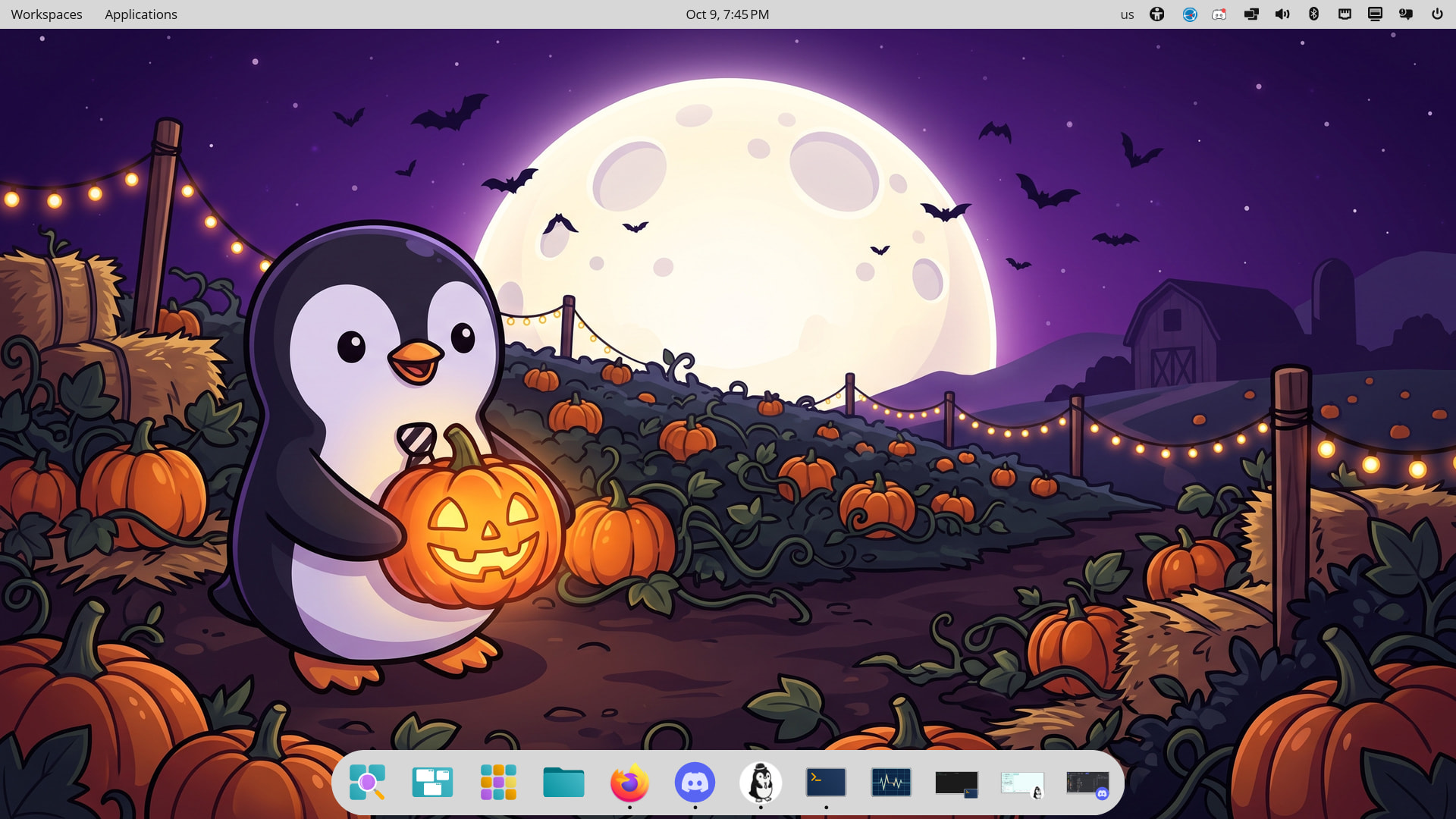
Why not hyper personalized linux distros or “stack down replace” distros? I’m using my local AI setup (Strata/swift iq3_xxs) to build a totally custom linux distro. Start with buildroot and hack the hell out of it to build an a/b image based distro with flatpak/distrobox/podman. I went with COSMIC as the DE with the plans of adding stuff it’s missing, customizing and replacing stuff in the desktop and userland to build the perfect setup for me. Probably not realistic to replace stuff like the linux kernel or wayland, or nvidia drivers yet, but… the rest is pretty easy for your local AI to hack on. Turn it all to rust!
I thought you were looking into alternative OSs… but your thoughts seem to be all over the place. My thoughts on your thoughts: UNIX and POSIX are here to stay, in some form or another. If Linux is too mainstream for you, and Redox or similar too experimental, try a BSD (even older than Linux but feels fresher). RISC-V is more experimental than ARM was 20 years ago. LLMs are uber-hyped but I see very little real utility in their use so my interest is very limited. Also watch out for the AI crash which, according to believable sources, is about a year away, due to contractual commitments on data centers that can’t realistically be met. Rust overhypes the promise of memory safety, and is otherwise way too imperative for my taste; I’d rather wait for Jank to mature some more, it looks quite promising for writing both compact and efficient code.
I like it, but it’s very much status quo *nix descendant. A relatively ancient status quo at that.
Maybe Redox is it for me.
That would be interesting if that got mainstream. If you keep hyper specializing you may end up at a Unikernel - Wikipedia, however they’ve been around some time and never really took off.
If you get a repeatable process for turning arbitrary apps into a unikernel, that would be kinda awesome. Near perfect real-time and 100% of the hardware resources. Some gamers who play exactly 1 game to an extreme might find that useful. Otherwise point your agent to: pengyos/SPEC.md at main · patw/pengyos · GitHub and it’ll tell you how PengyOS was built and the things you could swap out to fully customize.
RISC-V, but mostly only if the US completely cuts China off from all US tech. Otherwise it’s really not worth trying to duplicate the decades of tooling x86 has. Per Ian Cutress last week, enterprise customers are demanding x86 CPUs from Nvidia for that reason.
I don’t see any new OS overcoming the Unix-like, UNIX, and NT kernel paradigms for the same reason. There’s just too much basic functionality to duplicate, and by the time you get that done, the incumbent solutions will have advanced beyond your current state.