Form 4B Dental Printer - First Impressions

I have had the pleasure of using the Formlabs Form 4B Dental printer for the last few days and I like to talk about this stuff so I will.

To start, I use this printer and others before it to make 3D models for many things related to Orthodontics. From making retainers to partial dentures to business merch, we do it with our printer. It’s very important to us that our printers are extremely accurate and extremely fast. The former is self-explanatory but we need speed because the ability to deliver a retainer in the same appointment that someone gets their braces removed can mean up to $600/day in savings for the practice. The Form 4B is the first dental-first printer that I know of capable of both the accuracy and the speed we require to accomplish such a task and so it was highly sought after by me for this reason.

Here are my first impressions:

Build Quality: 6/10 - It’s an all plastic construction, except where metal is absolutely necessary. Solid but not best, oh well. The quick release build platform is an extremely nice QoL upgrade that could be considered part of the build quality. +1 for that

Print Quality: 9/10 - It’s accurate and the models don’t break as easily on the increased layer height prints, like some other printers/resins struggle with. Accuracy is on par with the top of the industry

Print Speed: 10/10 - Insane. Every single model I have printed so far has been in 11 minutes or less. Some less than 9 minutes. The fastest print on my Sprintray Pro 2, the fastest dental printer that existed when we bought it, was 19 minutes. That was with a higher layer height and they broke easily.

Maintenance: 7/10 - I foresee maintenance being a lot cheaper on the Form 4B, but also more difficult. The Sprintray had pumps and filters for cleaning their alcohol tanks whereas the Form Wash unit is just a dump and rinse tank. Less parts that get wear and tear, but also more elbow grease. The quick release build plate on the Form 4B is also very nice, but requires a more intricate cleaning process as well. That being said, it’s not really difficult either way.

Ease of Use/Training: 4/10 - This is where Formlabs still has the most room to grow, in my early opinion. Software is not as intuitive, meaning that training clinicians to use this equipment is more difficult than it is on other suites, like Sprintray or Luxcreo. However, I think most techies will take to it all fairly quickly so it isn’t all bad. Just a couple more hours of training than otherwise necessary. Most everyone else in the industry has realized they need it to be easy for clinicians specifically and so they are much further ahead in this particular aspect. Formlabs is also the only company to not offer a formal training, whether over Zoom or in-person.

All in all, I think it was a really good decision and I hope I can still say that 3+ months from now. Here’s a picture of the setup:
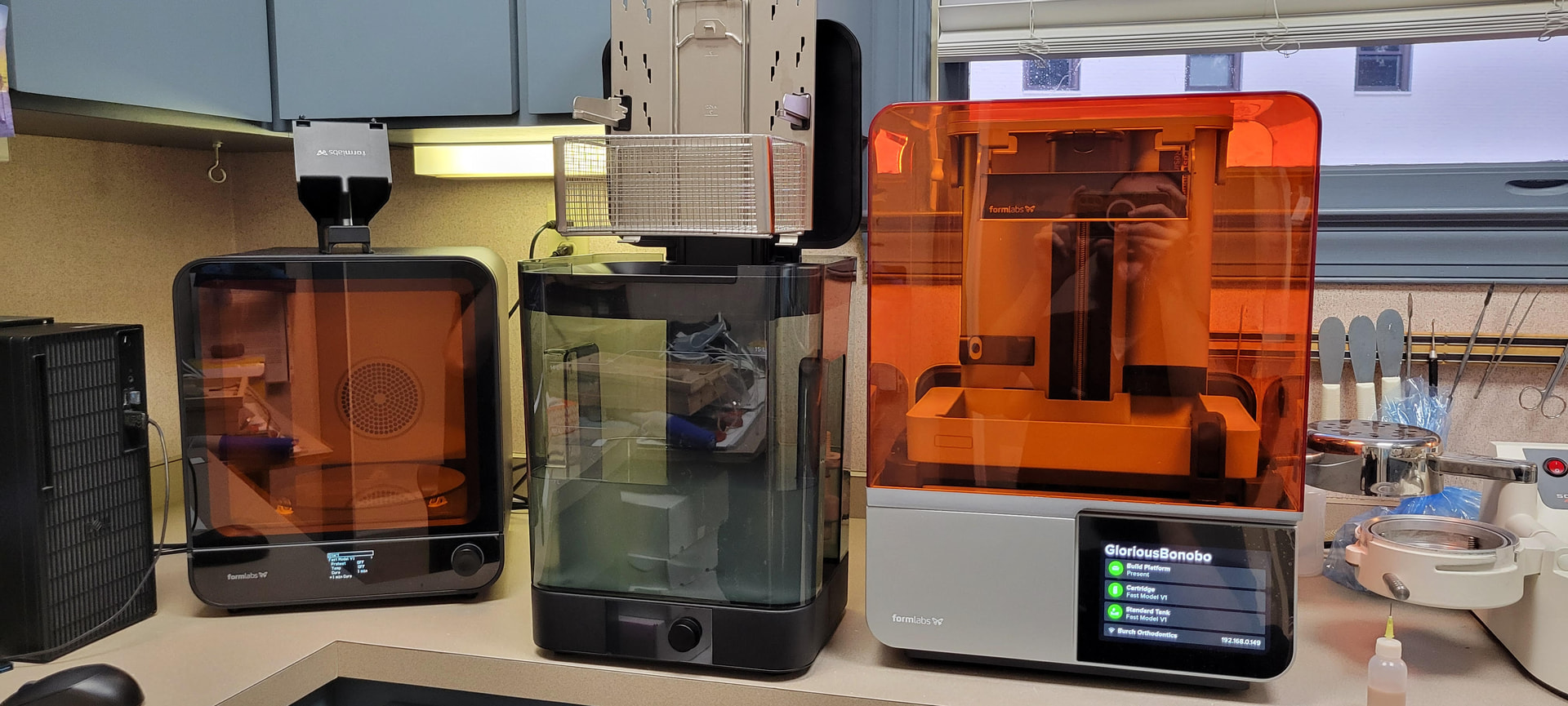
That was the default name of the printer, don’t judge me. I don’t even know how to change it yet, if I can lol

I’m really happy to answer any questions if anyone has them. I do enjoy talking about this stuff and my job quite a bit

6 Likes

What type of scanner do you use to get something like a nightguard? Doyou use a positive from the impressions or can it get ‘down in there’?

We use an iTero Element 5D Plus scanner, to be specific. If you google it, you will see how it works. It essentially is a wand that is stuck into the mouth and turned around and around until you have a good scan.

The software we use automatically generates Nightguard and Retainers since they are simply fitting over the existing STL that we get from the iTero scanner. These can then be printed directly provided you have the right resin for the job. We don’t do this at our practice though because of issues we have noticed with the resin itself over time. We prefer to thermoform biocryl directly on top of 3d printed models of the patients teeth. No impressions necessary

When we need to design something like partial dentures, aligners, or have to edit a model to add in a pontic or virtually remove appliances, I use software called UDesign, which is basically just a specially designed CAD program for modelling teeth.

3 Likes

I’m quite interested in this! I have an issue where I can’t eat anymore without a plastic … bite.. thing.. on my upper teeth and I’m living in constant fear of it breaking (it will eventually). Getting the whole thing to fit properly and for me to actually be able to use it is a multi-week process and very stressful. I’ve looked up the Element 5D scanner and I’m honestly impressed by the quality. Is this really the fidelity you can get out of it? https://media.digitalsmiledesign.com/hs-fs/hubfs/itero%20element%205d%20TIMELAPSE.png?width=1920&name=itero%20element%205d%20TIMELAPSE.png
So far my dentist always made impressions and with frankly mixed results. How’s the experience with fitment coming from a scanner? What kind of material are these guards printed in and how long do they last?

1 Like

Yes, it really is that accurate. Impressions are a thing of the past for our practice, making less than 1 every 6 months compared to 6-15 scans a day simply because it is more than accurate enough for all of our use cases.

I love the fit.

Material depends on the brand and choice of biocryl being thermoformed. Unfortunately, getting the full, detailed materials list used in these products is often hidden deep in some sort of patent or otherwise difficult-to-search document. They almost all list PETG as the main plastic, but none of them are 100% PETG as far as I am aware and I could not tell you what the rest of the recipe is. I can tell you that we personally use the exact same biocryl sheets as one of the largest retainer/aligner companies in the country. Our workflow is entirely the same so our cheaper, in-house options are just as great (if not better) for significantly reduced cost.

I’d just ask whatever orthodontist you choose to go to what brand they use for biocryl and research it personally for materials. There’s probably 5-10 popular brands and many more globally available and each doctor has their preference. You may have to ask the dental lab they outsource to. Few orthodontists have an in-house lab as capable as mine. Very lucky

Direct print resin for nightguard and retainers are different. I have absolutely no idea how the resin is made or what the materials are. I do not use them because of their habit to stain easily and thus I have ceased all research into those materials until I hear better things from others in my industry. The FDA-approved/”medical grade” resins are fairly new, all things considered, so I’m hoping they will improve with time.

The resin we use for partial dentures/teeth seem to be significantly better in the not-staining department and is really comfortable according to patients but I have never tried it in myself. I could try to figure out what the materials for that are but it’d take me a bit to find it lol

1 Like

Thank you very much for the detailed answer! The dentist I go to has their own small lab and they made the one I use themselves (which are holding up waaay better than the outsourced ones for some reason). I’ve had mine in daily use for more than 5 years and I’m eating with it, which is wild and why I’m asking about the material in there. My dentist didn’t know it from memory and I didn’t prod further.
I’ll have to ask them about what I learned from you today, but my guess is that they just don’t have the need for enough of them to justify the costs for scanner and printing.
I don’t like impressions because I feel like the people taking them aren’t good at keeping even pressure until it hardens sufficiently and I have a suspicion that they are not always coming out straight that way. I’ve kept and scanned quite a few of the final castings and made comparisons and I’m having doubts.

1 Like

A general dentist probably has the least need for such equipment. It’s far more popular among specialties like ortho or surgery simply because it has more uses in those types of appointments.

I forgot to also mention that thickness of course plays some part. Retainers tend to vary from .75-1.2mm thickness depending on doctor preference. Not sure of the numbers on all but this applies to most appliances. So you would likely want to know the thickness being used as well as the brand to get an accurate reading of what you personally like.

The most typical retainer is 1mm thick (pre thermoforming, which stretches it a bit) for reference. Nightguard (which is what I think you have) is usually about 2mm thick but can vary a lot

Bingo! You are exactly right. Scans are far more accurate for exactly that reason and are used in most orthos these days. Impressions are only used at our practice these days for difficult cases where something is usually obstructing the scanner or the patients ability to open their mouth all the way.

Wanted to update my post with an issues section. I wrote a much more detailed review to send specifically to the engineering team at Formlabs but I won’t bother you guys with all of it since much is the same as above or dental mumbo jumbo no one here cares about.

These are the issues I have listed off to them though in case anyone looking at this post is thinking about buying the Form 4 or any of it’s variants:

– Issues –

Problem 1: The Form 4B printing suite is basically designed with getting resin and alcohol all over your lab in mind. The quick release platform holds on to a lot of extra resin that drips everywhere as soon as you take the platform off the lock and due to the length of the lock and platform itself, you have to pull the platform so it’s vertical to the floor and not the resin tank. A few drops lost are inevitable and something the Sprintray accommodated for by shortening the length of the platform locking mechanism.

Problem 2: The wash unit hydrometer is free floating, must be manually reset, and is extremely difficult to read after only a couple washes because of its white color and opaque alcohol. This just seems like an unusual oversight given many other wash units made by your competitors have been solved by just building the hydrometer into the tank itself and they don’t need manual resets either. The free floating hydrometer also can get in the way of the automatic raising and lowering of the cage if not removed for each wash.

Problem 3: Lack of formal training. Every other 3D Printing company that we have worked with has offered some sort of formal training, usually offered for free upon purchase of equipment. There is no such formal training and so I will have to train myself when I can by calling sales reps and then passing along what I learned to our clinicians when we have the opportunity. I feel like this is a MAJOR downfall for Formlabs because rarely do any in-practice labs have technicians who are already capable and aware of how to use these printer suites. Only full fledged dental labs have those for the most part so small practices who might really benefit from a product like this are going to be turned off from Formlabs without formal training on the table. We are a very lucky practice to have the opportunity to utilize your equipment without interrupting our current workflows or struggling to train.

Problem 4: The Form 4B lid is way too flimsy and it doesn’t seal. This leaves me concerned about fumes leaving the machine through unintended means and also particulates potentially entering the resin tank. Seems easy enough to solve by just adjusting the hinge to be more rigid and adding a rubber seal or door lock when fully closed.

---------------------------------------------------------------------------------------------

I’m surprised about the lack of training. That, I thought, was one of the (admittedly smaller) reasons why medical equipment is so eye-wateringly expensive. Certifications, training, etc is something I would expect when I buy something like that.
The mess and the fumes are the 2 reasons why I never wanted a resin printer myself. Rather disappointing that formlabs puts so little focus on it. Especially in medical, where everything can come in contact with stuff people put in their mouths, cleanliness and a safe system should be on the absolute top of the list of things to get right.

1 Like

To be fair, they wouldn’t be training us on anything dental-specific. They’re engineers, not dentists. But yeah, it was both surprising and a disappointment.

That being said, they gave me a call and scheduled me a 1 on 1 with a couple technical experts within just a couple hours of sending in my review highlighting the issue. I also reviewed with them the hand-off experience and they believe something fell between the cracks between them, the middle-man distributor, and us because I was SUPPOSED to get a briefing with training videos and learning resources that I never got. They resolved this for me as well.

So now, I am still disappointed but decidedly less so.

The lid being flimsy is actually the weirdest part. It’s not something that’s a problem on any other resin printer I have demo’d for dental. Luckily, we have our PPE and I am often masked up around this bad boy. Room is well ventilated, too.

As far as the resin/alc dripping, it’s just annoying more than anything. Doesn’t affect the overall outcome, but I’m wiping my floor more often lol

If I had to say it, Sprintray/Luxcreo and others are dental first, technical second whereas Formlabs is technical first, dental second. I’m not going to say Formlabs is the best option for everybody, but it is the best option for us that I have seen thus far. The 2 most important qualities to me in my lab are the two things where Formlabs reigns supreme. Accuracy and speed.

Well that’s at least a good and quick reaction from them, so points for that I guess. I’m used to wait for replies from companies for days or weeks in some cases.

They have been doing this for long enough, so that’s really something I have a hard time to find justifications for. Especially for such an engineering-first company, form should follow function… but I guess it’s in their name :wink: . Jokes aside though, hopefully they take that feedback into account for their next iteration.

1 Like

That’s exactly what makes it so crazy. I was kinda baffled lol, it was very unexpected.

I believe I will buy/make a couple mods for it though. One being a rubber seal and some added weight to each side of the lower lid corners, hopefully giving it some rigidity

1 Like

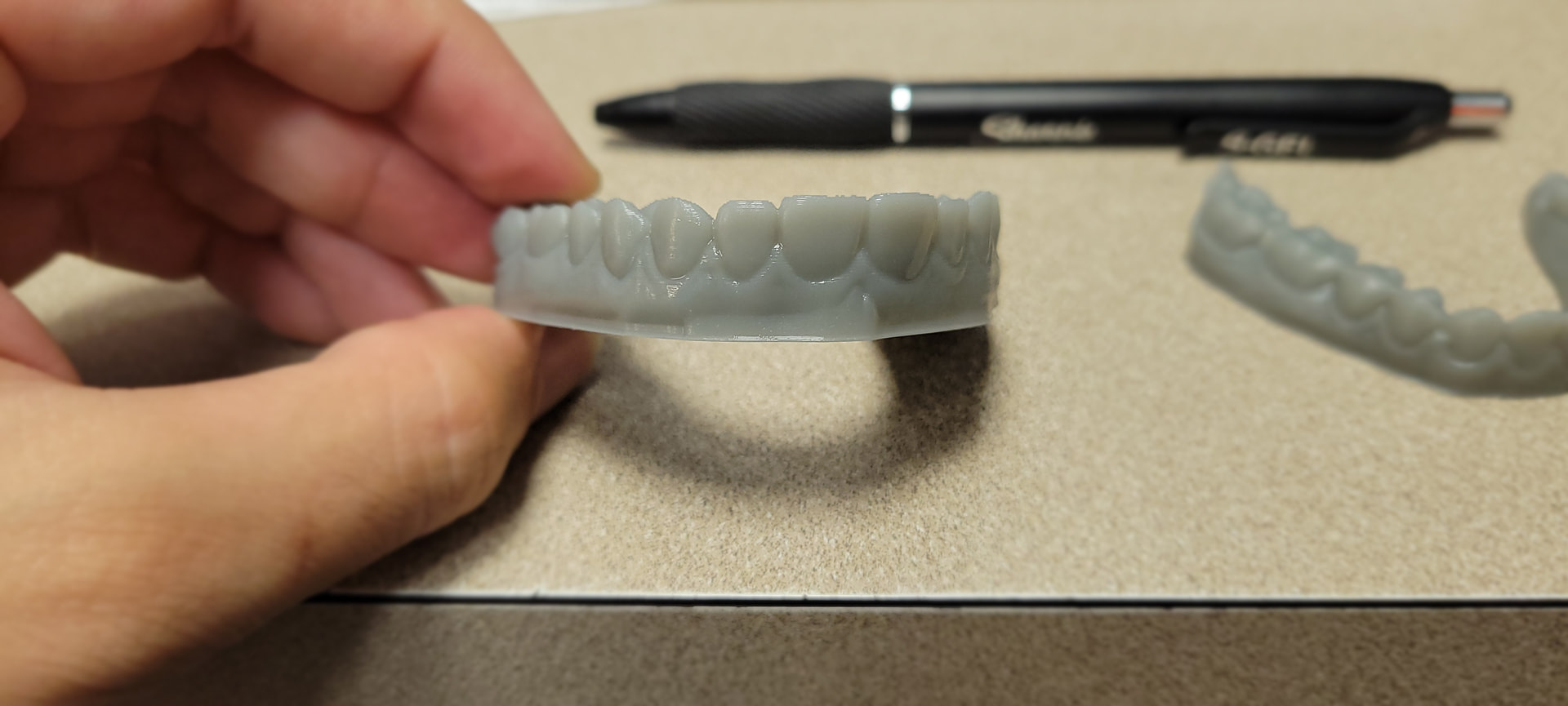
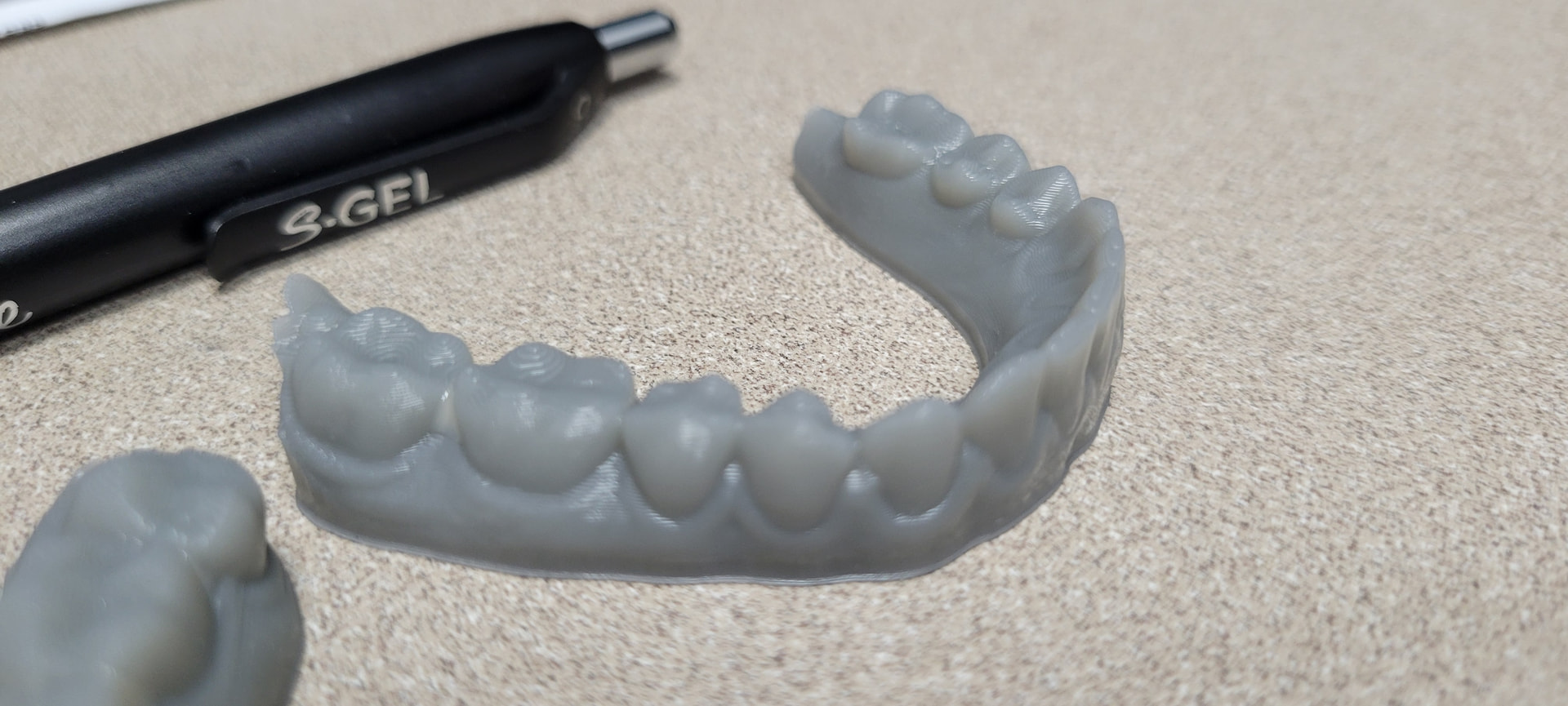
Model Photos/Videos (With permission from the arches owner)

All models pictured were printed with Formlabs Fast Model Resin V1 and using the “Fast Arch” preset in their Preform slicer. The main difference is that it’s 160 micron layer height.

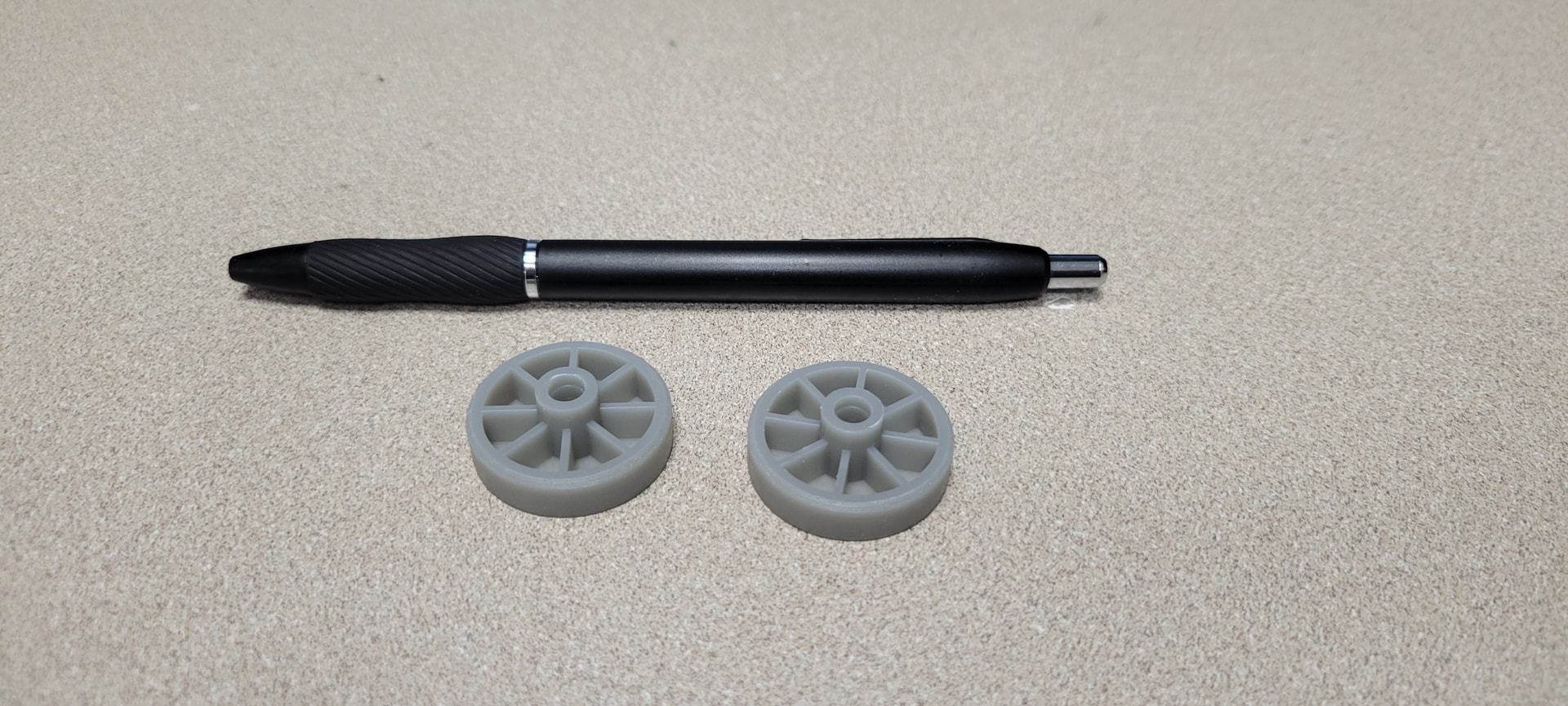
And here are some replacement caster wheels for a plastic rolling cabinet

The arches were both printed together in ~9 minutes and the caster wheels printed in less than 8 minutes lol

That’s really impressive print times! I’ve not kept up to date with resin printers but 160 microns feels almost brutally coarse :smiley: . How much does the layer height matter for thermoforming?
160 microns is not too bad because the majority of the surface area being used is vertical. You can see the sides of the teeth are very smooth compared to the tips.

It also is smoothed out a bit during the thermoforming process, I imagine. I honestly cannot feel any layer line imprints on the finished product.

It would probably be bad if we printed them vertically, but we never need that many at one time, so I don’t actually know.

1 Like

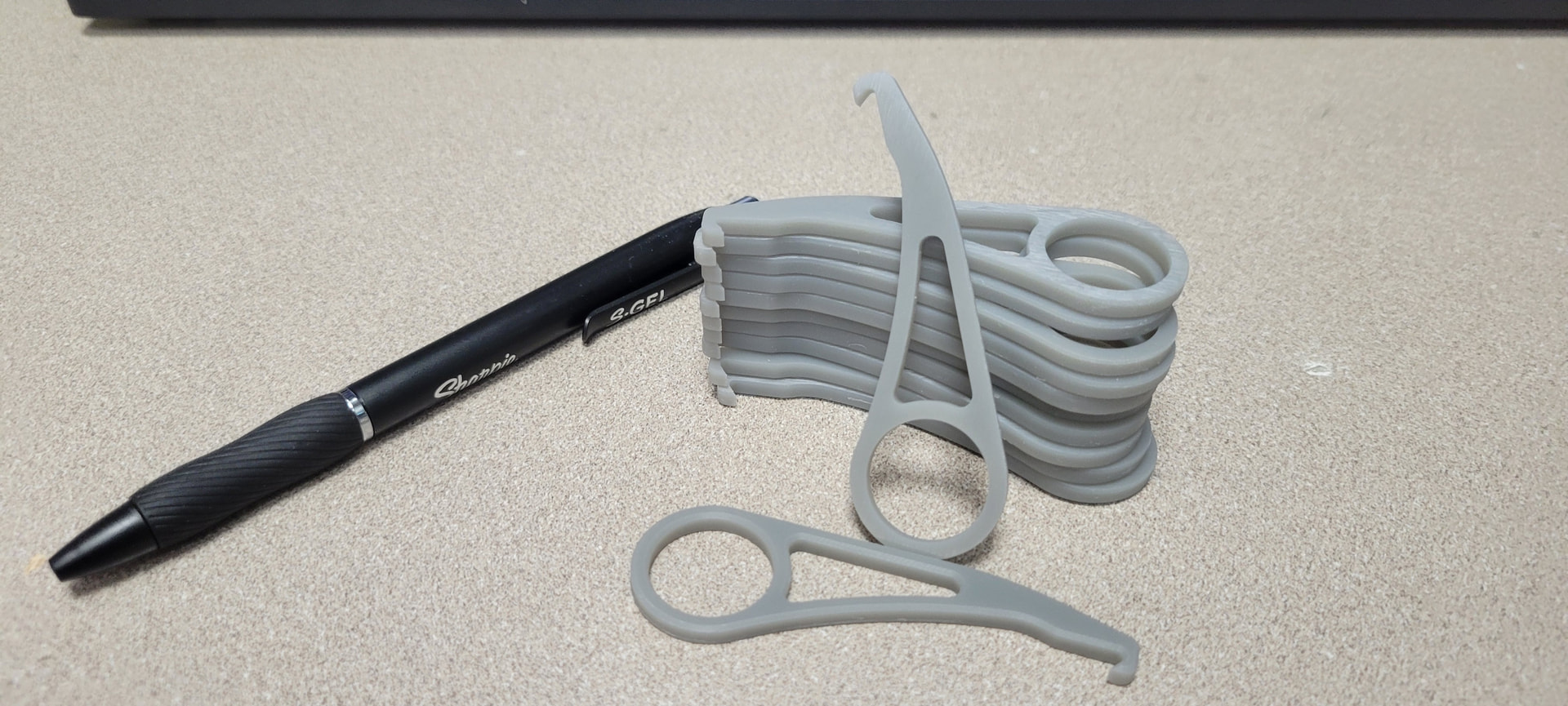
12 aligner removal tools was all I could fit onto 1 build plate without changing to a vertical orientation - 4 minute print. Solid quality with the Fast Model V1 resin, at least good enough for what I use them for.

1 Like

Successfully delivered our first in-house retainer during the same appointment the patient got their braces off with 6 whole minutes to spare!

An incredible accomplishment that will easily pay off the 40k USD I spent in the last year chasing down said feat… lol

2 Likes

I assume that is because the wonderful US healthcare system doesn’t require to share some of your savings with the patients.
Or because the US healthcare system is void of competition…

1 Like

We share a great portion of the savings to the patient actually… Ours is roughly 30-70% off the brand-name stuff depending on how many you get and whether or not you bundled it with our braces package. We don’t actually take insurance in orthodontics (or most of orthodontics) because it is not seen as necessary so therefore we also don’t have to listen to insurance companies.

For us, the extra cash flow from this accomplishment is because we can fit in an extra appointment or two every day.

On average, we make $300 per appointment. Sounds like a lot but braces are 5-7k usually and so that gets split to each appt. Braces aren’t all we do but our accountants came up with the $300 figure based on a 2024 report of our finances.

That means from a financial standpoint, it is beneficial for us to cut any appointments that don’t come with a payment because from another point of view, that’s $300 lost every time there is an appt without payment.

This accomplishment helps us eliminate an appointment that is not necessary for treatment AND doesn’t come with it’s own payment meaning that we can save the maximum amount of money while also saving the patient time and not compromising any of their treatment. It’s the best possible type of appointment to cut for everyone involved.

1 Like